

With Michigan’s unique weather patterns, we lose several months to winter, leaving golf lovers eager for warmer temperatures. However, rushing back onto the golf course is never a good idea, especially if you’re dealing with nagging injuries. If you’re dealing with old aches and pains and looking to be ready to hit the links come spring, you should look into setting up an appointment with our very own, Dr. Chris Hannasch. Dr. Hannasch has extensive training through his TPI certification, a Titleist designation that identifies certain medical professionals with extensive training in swing mechanics.
Why Your Golf Swing Changes As You Age
There’s no one way to swing a golf club, there is simply the most efficient way for you to swing based on what your body can physically do. As we age, our swing naturally changes due to our physical changes. The goal should never be to copy the swing of your favorite PGA professional, but rather to optimize your existing swing for your body.
Thankfully, if you schedule a consultation with our own Dr. Chris Hannasch, you gain access to a board-certified regenerative medicine doctor who has gone through extensive training to achieve the designation as a TPI-certified medical professional. This designation gives Dr. Hannasch additional expertise when it comes to analyzing your swing mechanics and helps him to develop a plan to identify potential issues in your swing that could be contributing to your pain.
Why Lower Back Pain is the Most Common Golf Injury
When you poll most golfers with injuries, they will often point to low back pain as their primary concern. There are a number of key reasons for lower back pain when golfing, a few of which include:
- Early extension – This refers to a golfer’s hips turning toward the ball while the spine straightens early during the tail end of the golf swing. This motion puts extra stress on the lower back, hip and spine.
- Compensation patterns – Our body can sometimes be too smart for its own good. If you have a joint that is injured, our bodies will automatically compensate for this limitation, which in turn puts additional stress on another area. This can then cause additional injuries to other body parts that are overcompensating for the affected joints.
- Joint-by-joint approach – When playing a sport like golf your body alternates between mobile joints (ankle, hip, shoulder, wrist) and stable joints (knee, pelvis, elbow). When a mobile joint begins to lose mobility, it causes stress on the stable joint above or below, which can cause strains and other injuries.
How Dr. Hannasch’s Expertise Can Help Improve Your Mobility and Your Golf Spring
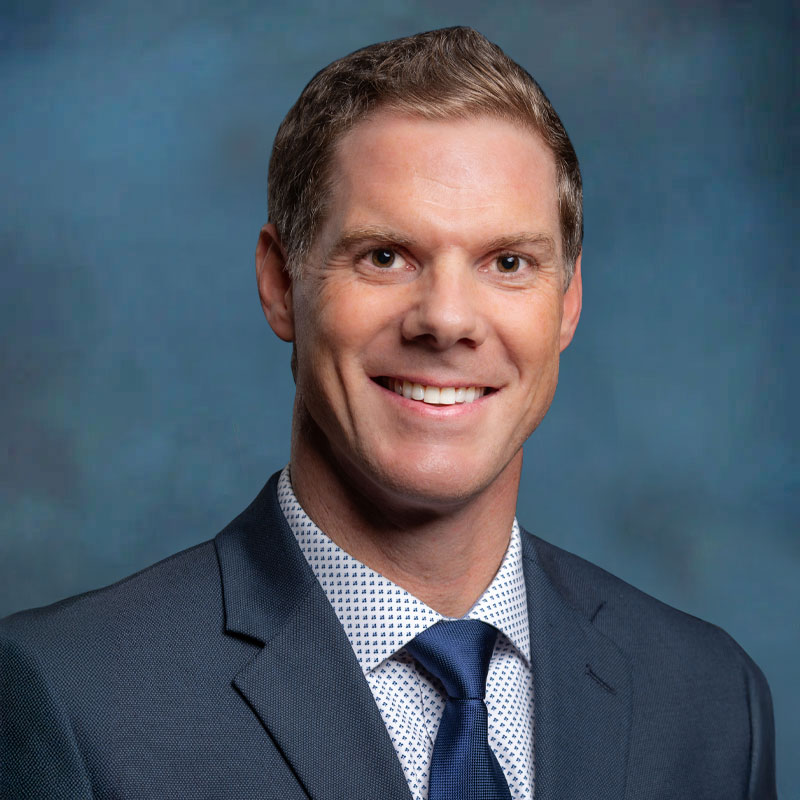
Dr. Hannasch has a unique set of qualifications in that he has extensive experience in osteopathic manual manipulation, orthobiologics, and is now a TPI-certified medical professional. Thanks to this unique skillset, Dr. Hannasch is not only able to analyze your swing mechanics but also to suggest treatment paths that can pay big dividends for you both on and off the golf course.
Why Late Winter/Early Spring is The Time to Act to Improve Your Golf Swing
Pain management procedures like steroid injections can get you through a season, but don’t fix the underlying issue. Orthobiologic treatments can take several months to achieve maximum benefit, which is why treating your injury now can ensure you have the best chance at hitting the golf course pain free come spring. Reach out to the Michigan Center for Regenerative Medicine team today to schedule your first consultation.
Don’t Wait – Schedule Your Consultation With Dr. Hannasch Today!
If you’re itching to get back on the golf course but are nursing an injury, now is the time to get in to see Dr. Hannasch, one of the few TPI certified medical professionals in the area. Thanks to Dr. Hannasch’s expertise in both manual manipulation and orthobiologics, you’ll be in good hands when you schedule your first consultation. Call our office today at (248) 216-1008 to ensure you’re ready for golf once the warmer weather finally hits here in Michigan!
By Board-certified Christopher Hannasch, DO