Regenerative Medicine in Michigan
State-of-the-art Regenerative Medicine Treatment Center Now Available in Rochester Hills, Michigan
You may have heard of regenerative medicine in Michigan, but you may not know that much about what it can do for your body and health. You may even have heard that regenerative medicine in Michigan is an effective alternative for surgery when it comes to pain management, but still remain in the dark. Allow us at the Michigan Center for Regenerative Medicine to bring you into the light.
There are millions of Americans across Michigan and the entire United States who have to deal with the daily nightmare of chronic pain. Common areas that are affected by chronic pain include the back, shoulders, neck and bones. The most frequent solutions suggested by physicians for the treatment of chronic pain are surgery.
Here at the Michigan Center for Regenerative Medicine we feel there is a third solution, regenerative medicine in Michigan. Regenerative medicine is perfectly natural as it uses the body’s own natural resources in order to heal.
For example, stem cells can be harvested from your own bone marrow or fat tissue and injected into the areas of your body that you are having issues with, promoting the body’s own natural healing processes.
In Michigan, regenerative medicine usually refers to orthobiologic treatments like Platelet Rich Plasma Therapy and, in select settings, bone marrow aspirate concentrate (BMAC) used to reduce pain and improve function in tendon injuries and mild to moderate osteoarthritis.
At Michigan Center For Regenerative Medicine, you should expect a structured evaluation, imaging when needed, clear consent, and product traceability. Evidence is strongest for PRP in chronic tendinopathy and knee arthritis, while “exosome” and birth-tissue claims often outpace data. Next, you’ll see how to choose a safe provider.

Main Takeaways
- Look for Michigan regenerative medicine clinics offering evidence-based options like PRP, and clear indications such as tendinopathy or mild–moderate knee osteoarthritis.
- Choose providers who perform a structured evaluation (history, exam, and imaging when indicated) and track functional outcomes at 6–12 weeks.
- Verify product quality and documentation: sterility practices, chain-of-custody, traceability/lot numbers, and ultrasound-guided procedures when appropriate.
- Be cautious with “stem cell,” exosome, or birth-tissue claims; ask whether products are autologous, acellular, or part of an FDA-regulated trial.
- Avoid clinics promising guaranteed cures or relying on testimonials; prioritize transparent risks, alternatives, and realistic expectations backed by published evidence.
What Is Regenerative Medicine in Michigan?
Regenerative medicine in Michigan refers to evidence-based treatments that aim to repair, replace, or restore damaged tissues and support recovery rather than only masking symptoms. You’ll typically encounter options such as platelet-rich plasma (PRP), cell-based therapies where permitted, and biologic or scaffold approaches that support restorative processes under appropriate clinical oversight.
You start with a structured evaluation, including history, exam, and imaging when indicated, so your plan matches your condition and goals. You’ll also review benefits, limits of evidence, alternatives, and safety considerations, including how products are prepared and tracked.
Because public perception can be shaped by marketing, you should ask for peer-reviewed support and transparent outcomes reporting. You can use educational resources from academic centers, professional societies, and federal regulators to verify claims, understand candidacy, and set realistic expectations while keeping patient care and community service central.
“Thank you for making true and tangible impact in my life and the lives of all your clients. I’m so grateful to have made your acquaintance and cannot wait to begin taking even more of my life and mobility back and kicking the meds to the curb! I can’t wait to refer everyone I know to you!” ~ Pam E.
Does Regenerative Medicine Work for Joint Pain?
How well can biologic and restorative treatments help joint pain in Michigan? Evidence suggests you may see meaningful symptom relief in selected people, but results vary and don’t replace precise diagnosis.
Your clinician should match therapy to your imaging, function, and goals, while accounting for Pain mechanisms like inflammation, cartilage wear, nerve sensitization, and impaired movement patterns.
Match treatment to your imaging, function, and goals, while addressing inflammation, cartilage wear, nerve sensitization, and faulty movement patterns.
Benefits can reflect tissue signaling and rehabilitation synergy, and you should also expect a measurable Placebo effect that can amplify perceived improvement.
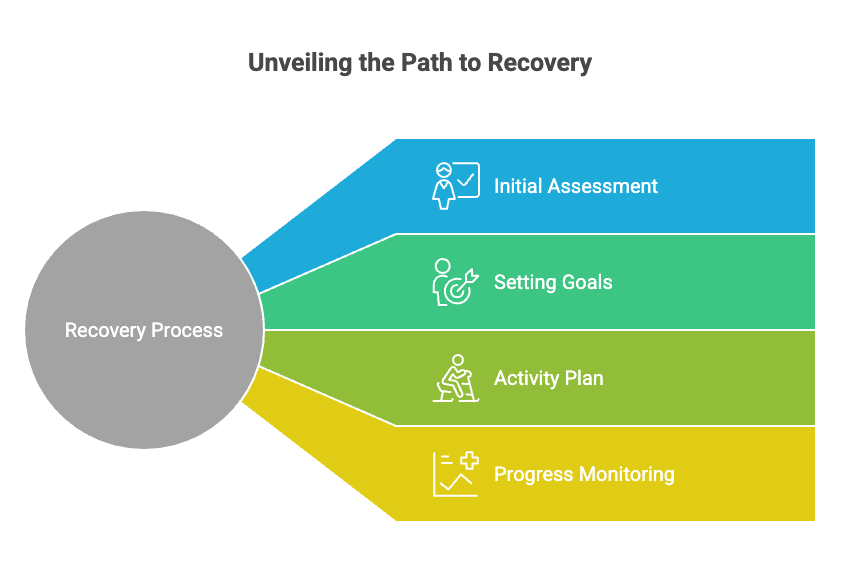
- You’ll start with a structured exam, imaging review, and red-flag screening.
- You’ll set outcomes: pain scores, walking tolerance, sleep, and return to service.
- You’ll use a graded activity plan to reinforce gains and protect the joint.
- You’ll track progress at 6–12 weeks and adjust if response plateaus.
You’ll do best when you combine interventions with weight, strength, and load management.
Treatable Conditions from Board-certified Doctors
- Muscle Pain Treatment
- Spine Pain Treatment
- Treatment Injuries
- PRP Treatment for Hair Restoration
- Nerve Pain Treatment
- Chronic Pain Treatment
- Treatment for Tendon Tears
- Ankle and Foot Pain Treatment
- Treatment For Muscular Weakness
- Arthritis and Bursitis Treatment
- Ankle and Foot Pain Treatment
- Treatment For Muscular Weakness
- Spinal Stenosis Treatment
- Diabetic Neuropathy Treatment
- Herniated Discs of the Spine
- Hip Pain Treatment
- Muscle And Tendon Sprain and Strain
- Treatment For Knee Cartilage Lesions
- Male Erectile Regeneration
- Ligament Strain Treatment
- Female Pelvic Floor Regeneration
- Regenerative Skin Care
- Degenerative Disc Disease Treatment
- Musculoskeletal Pain Treatment
- Osteoarthritis Treatment
- Plantar Fasciitis Treatment
- Sports Injury Treatment
- Sciatica Treatment
- Joint Pain Treatment
- Knee and Shoulder Pain Treatment
- Wrist and Hand Pain Treatment
- Tendinitis Treatment
- Meniscus Tears in the Knee
- Treatment for Tennis Elbow
- Tension Headache Treatment
- Lumbar Disc Herniation Treatment
- Sacroiliac (SI) Joint Dysfunction
- Lower Back and Bone Pain Treatment
- and Other Treatment Related to Muscle, Tendon, and Bone Trauma
PRP in Michigan: Best-Fit Conditions
Choosing PRP wisely starts with matching it to problems where platelet-driven anti-inflammatory signaling and tendon remodeling have the best clinical support.
In Michigan clinics, you’ll most often see PRP used for chronic tendinopathies, lateral epicondylitis, patellar and Achilles tendinopathy, and rotator cuff tendinopathy, especially when rehab alone hasn’t restored function.
You may also be a good candidate if you have mild-to-moderate knee osteoarthritis, where trials show pain and function improvements for many patients compared with placebo or hyaluronic acid.
“After a series of facet and nerve blocking without feeling much improvement, I was referred to Dr. Nabity, who was very caring and supportive. I’ve been seeing Dr. Nabity for over a year and a half. I was suffering from very bad chronic pain after my car accident. He is one of the best doctors I have been to. He listens to the issues I have and works out a plan with me. He takes the time to explain what is going on and helps me understand. He also has a great sense of humor. He recommended the PRP (platelet rich plasma) injections. After the first sets of injections I was able to feel the improvement. I have done the PRP injections 3 times so far and it’s been helpful. I’m very happy with his care and concern for my well-being. I would highly recommend Dr. Nabity.” – Rosanna K. Sterling Heights, MI
You’ll serve your recovery best by selecting conditions driven by tissue overload rather than advanced structural collapse. Demographic trends matter: active adults, aging workers, and youth sport participation increase overuse injuries statewide.
Climatic effects matter too: winter deconditioning and sudden spring activity spikes can flare tendons. Expect PRP to complement loading-based physical therapy, not replace it, and plan for gradual, measurable progress.
Stem Cell Therapy in Michigan: What’s Available
If you’re considering stem cell therapy in Michigan, you’ll find options that range from autologous cell procedures to trial-based programs, with availability shaped by the evidence, indications, and regulatory limits.
You’ll want to compare clinics by clinician credentials, product sourcing and handling, safety reporting, and whether outcomes data support the specific condition you’re treating.
You should also plan for wide cost variation and uneven access across the state, since insurance coverage is often limited and travel to specialist centers may be required.
Michigan Stem Cell Options
While stem cell therapy in Michigan continues to evolve, your options today generally fall into a few well-defined categories that differ in source, evidence base, and regulatory oversight.
Public perception and Research funding shape what reaches patients, so you’ll want to weigh claims against published data and trial registration.
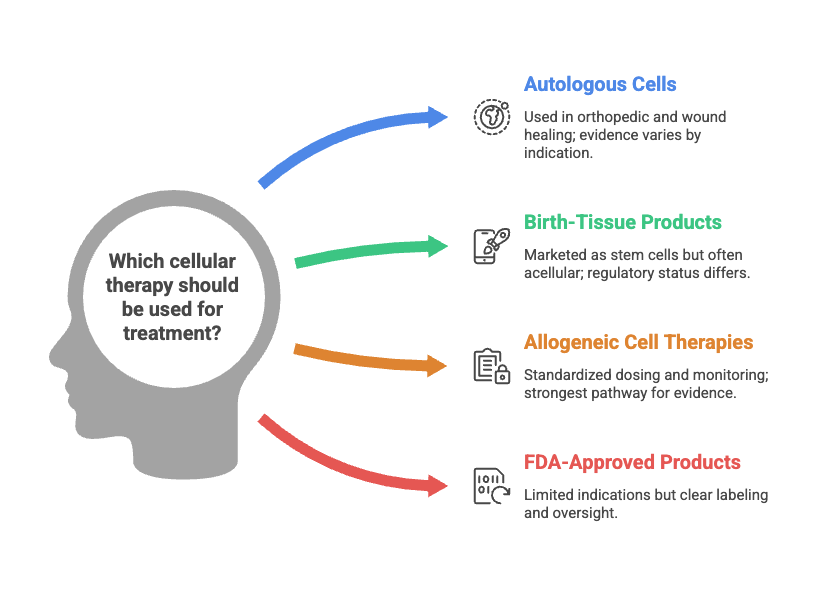
- Autologous adult cells (often bone marrow–derived): used in some orthopedic and wound-healing contexts; evidence varies by indication.
- Birth-tissue products (amniotic/umbilical): frequently marketed as “stem cells,” yet many are acellular; regulatory status can differ by processing.
- Allogeneic cell therapies in trials: standardized dosing and monitoring; strongest pathway for generating safety/efficacy evidence.
- FDA-approved cellular products: limited indications, but clearer labeling and oversight.
Ask for mechanism, endpoints, and adverse-event reporting so you can serve others with informed, ethical choices.
Clinics, Costs, And Access
Michigan offers a wide range of stem cell–marketed services, but access depends on where you go, what cell source a clinic uses, and whether the treatment sits inside an FDA-regulated pathway.
You’ll commonly see bone marrow or adipose “autologous” injections, amniotic/umbilical products, and referrals to clinical trials at academic centers. Ask the clinic to document product handling, sterility testing, and evidence for your condition, not testimonials.
Costs are usually out-of-pocket; request an itemized estimate, complication coverage, and follow-up schedule. Wait times vary by specialty, imaging needs, and trial enrollment.
If you’re supporting patients, help them compare informed-consent language, screen for contraindications, and arrange Transportation assistance for Detroit-to-rural travel and post-procedure monitoring.
Orthobiologics in Michigan: PRP, BMAC, Exosomes
Because joint, tendon, and ligament pain often involves both inflammation and impaired tissue repair, many patients in the state now consider orthobiologics as a nonsurgical option to help reduce symptoms and support recovery.
In Michigan, you’ll typically hear about PRP, BMAC, and exosome products, but you should weigh evidence, sourcing, and safety before you serve others by recommending a clinic.
In Michigan, PRP, BMAC, and exosomes are common, but weigh evidence, sourcing, and safety before recommending any clinic.
- PRP: Uses your platelets and growth factors; evidence supports symptom improvement in select musculoskeletal conditions.
- BMAC: Concentrates marrow-derived cells plus cytokines; protocols vary, so outcomes depend on processing and technique.
- Exosomes: Often allogeneic and commercially supplied; clinical evidence is emerging, and marketing can outpace data.
- Quality checks: Ask about sterility testing, chain-of-custody, and ultrasound guidance.
Track Regulatory Updates and verify Laboratory Standards (CLIA/CAP where applicable). You’ll protect patients by prioritizing informed consent, realistic goals, and adverse-event monitoring.
What Michigan Regenerative Clinics Treat Most
In Michigan, you’ll most often see regenerative clinics treat common orthopedic pain conditions that limit function and persist despite standard care.
You can expect many programs to focus on arthritis and joint degeneration, especially in the knee, hip, shoulder, and spine, where imaging and symptom patterns guide candidacy. You’ll also find frequent treatment of sports and overuse injuries, with decisions typically based on exam findings, activity goals, and response to structured rehabilitation.
Common Orthopedic Pain Conditions in Michigan
Which orthopedic pain problems do regenerative clinics in this state treat most often? You’ll typically see non-surgical evaluations for overuse, tendon, nerve, and spine-related pain that limits your ability to serve others at work, home, or in your community.
Clinicians emphasize diagnosis, imaging when indicated, and function-based outcomes. They then match you to rehabilitation and, when appropriate, orthobiologic options supported by evolving evidence.
- Tendinopathy (rotator cuff, Achilles, patellar): pain with lifting, walking, or kneeling.
- Ligament sprains and instability (ankle, knee): recurring giving-way after injury.
- Nerve entrapment such as carpal tunnel: numbness, night symptoms, grip weakness.
- Back and leg pain from spinal stenosis or disc irritation: standing intolerance, radiating symptoms.
Arthritis And Joint Degeneration in Michigan
While tendon and nerve complaints bring many people through the door, Michigan regenerative clinics also commonly evaluate arthritis and joint degeneration, especially when joint pain and stiffness start limiting walking, stairs, or work tasks. You’ll usually get a focused exam plus imaging review to confirm osteoarthritis patterns and rule out inflammatory disease. Your plan often combines guided injections when appropriate, progressive strengthening, and load management so you can keep serving family, patients, or community.
| Focus | What you can do | Why it helps |
|---|---|---|
| Weight | Gradual loss | Lowers joint load |
| Strength | Hip/quads work | Improves stability |
| Mobility | Daily range | Reduces stiffness |
| Nutrition strategies | Protein, omega-3s | Supports recovery |
| Sleep hygiene | Regular schedule | Improves pain control |
Sports And Overuse Injuries in Michigan
Racking up miles, reps, or long shifts often turns small tendon and muscle irritations into persistent sports and overuse injuries.
In Michigan regenerative clinics, you’re often evaluated for tendinopathy, ligament sprains, and chronic muscle strains, especially around the shoulder, elbow, hip, knee, and ankle.
You’ll usually get imaging-guided assessment, then a plan that prioritizes tissue protection, progressive loading, and symptom control so you can keep serving your team, patients, or community.
- Pinpoint pain drivers with ultrasound or MRI when indicated.
- Use targeted rehab to restore strength, tendon capacity, and mechanics.
- Discuss orthobiologics when conservative care stalls, case-by-case.
- Track prevention strategies and recovery timelines to return safely and confidently.
Who’s a Good Candidate in Michigan?
How do you know if regenerative medicine makes sense for you in Michigan?
You’re often a strong candidate if you have a clearly defined musculoskeletal problem, like tendon degeneration, mild to moderate osteoarthritis, or a partial ligament injury, and you’ve already tried rehab, activity modification, and appropriate medications without lasting relief.
Strong candidates have a clear musculoskeletal issue, tendon degeneration, mild to moderate arthritis, or partial ligament injury, after rehab and medications fail.
You’ll do best when imaging and exam findings match your symptoms and functional limits. You also need realistic Patient Expectations: these therapies aim to reduce pain and improve function, not guarantee a full recovery or replace necessary surgery.
You’re a better fit if you can commit to a progressive strengthening plan and you value safe, measured improvement that helps you keep serving family, work, and community. Comorbidity Screening matters, uncontrolled diabetes, active infection, bleeding disorders, immune suppression, or certain cancer histories can raise risk or reduce benefit.
If your pain reflects widespread inflammatory disease or severe joint collapse, other options may serve you better.
What Happens at a Michigan Consult and Follow-Up
What should you expect when you schedule a regenerative medicine consult in Michigan? You’ll start with Parking logistics, then check in and confirm Paperwork expectations, including medications, prior imaging, and health history.
Your clinician will review your goals and the ways pain or limitation affects your work, family, and service to others. You’ll get an evidence-based exam focused on function, joint stability, and neurologic findings, with imaging review when available.
- Intake: basic measurements, symptom timeline, activity limits, and prior treatments.
- Assessment: targeted physical exam and point-of-care ultrasound when appropriate.
- Plan: shared decision-making, realistic outcomes, and safety screening for contraindications.
- Follow-up: you’ll track pain, mobility, and task performance using standardized measures.
After the visit, you’ll receive written instructions, red-flag symptoms to report, and a scheduled recheck to adjust rehab, activity, and expectations based on response and objective progress.
Michigan Costs, Financing, and Insurance Realities
After your consult and follow-up plan are set, the next practical question is cost. In Michigan, regenerative procedures often remain cash-pay because many uses are considered investigational or not covered for your diagnosis. Expect pricing to vary by tissue source, imaging guidance, facility fees, and the number of joints or sessions.
Ask for an itemized estimate and a written schedule for follow-ups, so you can compare like with like and avoid surprise charges. If insurance won’t cover the procedure, you may still use HSA/FSA funds for eligible medical expenses; confirm with your plan administrator.
Keep receipts and travel logs because some expenses may qualify for tax deductions when they meet IRS medical thresholds. Many clinics offer payment plans through third-party financing, which can affect your total cost via interest.
If your goal includes serving others, consider transparent crowdfunding options, and set clear boundaries about what donations support and how you’ll report outcomes.
Your Regenerative Medicine Team of Board-certified Physicians






Here’s What Our Patients Are Saying on Google
How to Pick a Safe Michigan Provider (Risks, Red Flags)
To choose a safe regenerative medicine provider in Michigan, you should verify the clinician’s credentials, facility oversight, and whether the care aligns with current standards and regulations.
You’ll also want to spot red flags early, such as promised outcomes, vague product sourcing, pressure to prepay, or limited discussion of alternatives and evidence. Before you consent, make sure you understand the specific treatment risks, expected benefits, and what follow-up and complication management will look like.
Verify Credentials And Oversight
In Michigan, how can you tell whether a regenerative medicine clinic operates safely and under proper oversight? You verify credentials, licensure, and accountability before you commit, because patient safety supports your ability to serve others.
Start by mapping the clinic to the Regulatory Framework that governs physicians, facilities, and human cell/tissue products.
- Confirm the treating clinician’s Michigan license, board certification, and scope match the procedure you’re seeking.
- Ask whether the facility holds appropriate accreditation (for example, AAAHC) and follows sterile technique standards.
- Request Inspection Records and any corrective-action summaries from relevant agencies or accrediting bodies.
- Verify the product’s sourcing, handling, and documentation chain (lot numbers, consent, adverse-event reporting).
If a clinic provides clear documentation and welcomes questions, you’re more likely to receive care aligned with evidence and oversight.
Spot Red Flags Early
Although many Michigan regenerative medicine clinics market the same buzzwords, you can often spot safety and oversight problems early by watching for specific red flags in how they screen patients, describe risks and benefits, and document what they’re injecting or implanting. If they skip a real history, imaging review, or medication check, walk away. You should get a written plan naming the exact product, source, processing steps, lot numbers, and where it’s prepared.
Be wary if they won’t share outcomes data, rely only on testimonials, or guarantee remedies. Pressure to prepay, “limited-time” discounts, or bundling unrelated treatments signals sales over care. Ask how they handle follow-up and urgent calls, especially for Unusual Symptoms or Rapid Progression, and whether they coordinate with your Michigan clinicians.
Understand Treatment Risks
Because regenerative medicine sits on a spectrum from well-studied procedures to minimally regulated interventions, you should understand the core risks before you choose a Michigan provider: infection, bleeding, nerve or vessel injury, severe inflammation, worsening pain, and, when products come from donors or aggressive “processing”, contamination, immune reactions, or incorrect tissue placement.
Ask how they prevent, detect, and report Adverse events, and whether emergency protocols exist. You’ll serve yourself and others best by choosing transparency and documentation.
Watch for these safety markers:
- Written Informed consent that lists known risks, uncertainties, and alternatives
- Sterile technique, imaging guidance when appropriate, and traceable product handling
- Realistic outcomes, no “guarantees,” and follow-up visits scheduled
- Clear credentials, complication rates, and referral pathways if you worsen
You’ve learned how regenerative medicine at Michigan Center For Regenerative Medicine may help joint pain using options like Platelet Rich Plasma Therapy, BMAC, and select stem cell approaches. Results vary, and benefits depend on your diagnosis, imaging, health status, and rehab plan. You’ll get the safest care when you choose a provider who documents outcomes, explains realistic goals, and follows FDA and Michigan regulations. Expect transparent pricing and limited insurance coverage. If you’re a candidate, you’ll review risks, alternatives, and a follow-up schedule.


Take Advantage of Regenerative Medicine Provided by Board-certified Doctors
Contact Michigan Center for Regenerative Medicine Today and Discover If You are a Candidate. Home Office and Medical Center located at 355 Barclay Cir Suite A Rochester Hills, MI 48307. Visit our new location at 1000 E. Paris Ave SE Suite 221, Grand Rapids, MI 49546.
Related searches in cities near you:
- Regenerative Medicine Northville, MI
- Regenerative Medicine Troy MI
- Regenerative Medicine Rochester Hills MI
- Regenerative Medicine Bloomfield Hills MI
- Regenerative Medicine Detroit MI
- Regenerative Medicine Birmingham MI
- Regenerative Medicine Metro Detroit
- Regenerative Medicine Novi MI
- Regenerative Medicine Shelby Township MI
- Regenerative Medicine West Bloomfield MI
- Regenerative Medicine Near You
- Regenerative Medicine near Ann Arbor MI
- Regenerative Medicine near Pontiac MI
- Regenerative Medicine Rochester MI
- Regenerative Medicine near Plymouth MI
- Regenerative Medicine Near Dearborn MI
- Regenerative Medicine near Wixom MI
- Regenerative Medicine Near Livonia MI
- Regenerative Medicine Milford MI
- Regenerative Medicine Warren MI
- Regenerative Medicine Sterling Heights MI
- Regenerative Medicine Lansing MI
- Regenerative Medicine in Grand Rapids MI
- Regenerative Medicine Flint MI
- Regenerative Medicine Farmington MI
- Regenerative Medicine Near Farmington Hills MI
- Regenerative Medicine Near Beverly Hills MI
- Regenerative Medicine Near Southfield MI
- Regenerative Medicine Washtenaw County MI
- Regenerative Medicine Pleasant Ridge MI
- Regenerative Medicine Midtown Detroit MI
- Regenerative Medicine Romulus MI
- Regenerative Medicine Corktown Detroit MI
- Regenerative Medicine near Clawson MI
- Regenerative Medicine Near Berkley MI
- Regenerative Medicine Near Wyoming MI