EMG Testing Near Beverly Hills, MI
Electromyography (EMG) Testing Near Beverly Hills, MI and Diagnostic Evaluation at Michigan Center for Regenerative Medicine
At Michigan Center for Regenerative Medicine, we provide electromyography (EMG) testing as part of a comprehensive diagnostic process for patients experiencing symptoms such as muscle weakness, numbness, tingling, or unexplained pain. For individuals living in and around Beverly Hills, Michigan, EMG testing can offer valuable clinical information that helps physicians better understand how nerves and muscles are functioning. This information supports more informed medical decisions and allows providers to recommend care plans tailored to each patient’s health history and diagnostic findings.
Our board-certified physicians emphasize a careful, evidence-based approach to diagnosis. EMG testing is not a treatment but rather a tool that contributes to a clearer picture of neuromuscular health. When used alongside a physical examination, imaging when appropriate, and a detailed review of symptoms, it can help guide next steps in care.
What Is Electromyography?
Electromyography is a diagnostic procedure that evaluates the communication between nerves and muscles. The body relies on electrical signals sent from the brain through the spinal cord and peripheral nerves to trigger muscle movement. When this signaling process is disrupted, patients may notice changes in strength, coordination, or sensation.
During an EMG test, a small, sterile electrode is gently inserted into specific muscles to measure electrical activity. The recorded signals help physicians identify whether symptoms may be related to muscle conditions, nerve disorders, or issues affecting the connection between the two.
Although the idea of a needle electrode may sound intimidating, most patients describe the sensation as manageable and brief. Your physician will explain each step beforehand so you understand what to expect. In many cases, you may be asked to contract or relax the muscle being evaluated so the testing equipment can capture accurate readings.
How to Prepare for an EMG Test
Preparation is typically straightforward, but following your physician’s instructions can help ensure accurate results.
- Avoid stimulants beforehand: You may be advised to limit caffeine, nicotine, and alcohol for several hours prior to the test.
- Share your medical history: Inform your provider if you have a pacemaker, bleeding disorder, or other medical device.
- Bring a medication list: Include prescriptions, over-the-counter medications, and supplements so your care team has a complete picture of your health.
- Skip lotions or oils: Clean, dry skin allows electrodes to function properly.
- Ask questions in advance: Preparation may vary depending on your condition, so clarity ahead of time can help you feel more comfortable on the day of testing.
“After a series of facet and nerve blocking without feeling much improvement, I was referred to Dr. Nabity, who was very caring and supportive. I’ve been seeing Dr. Nabity for over a year and a half. I was suffering from very bad chronic pain after my car accident. He is one of the best doctors I have been to. He listens to the issues I have and works out a plan with me. He takes the time to explain what is going on and helps me understand. He also has a great sense of humor. He recommended the PRP (platelet rich plasma) injections. After the first sets of injections I was able to feel the improvement. I have done the PRP injections 3 times so far and it’s been helpful. I’m very happy with his care and concern for my well-being. I would highly recommend Dr. Nabity.” – Rosanna K. Sterling Heights, MI
Treatable Conditions from Board-certified Doctors
- Muscle Pain Treatment
- Spine Pain Treatment
- Treatment Injuries
- PRP Treatment for Hair Restoration
- Nerve Pain Treatment
- Chronic Pain Treatment
- Treatment for Tendon Tears
- Ankle and Foot Pain Treatment
- Treatment For Muscular Weakness
- Arthritis and Bursitis Treatment
- Ankle and Foot Pain Treatment
- Treatment For Muscular Weakness
- Spinal Stenosis Treatment
- Diabetic Neuropathy Treatment
- Herniated Discs of the Spine
- Hip Pain Treatment
- Muscle And Tendon Sprain and Strain
- Treatment For Knee Cartilage Lesions
- Male Erectile Regeneration
- Ligament Strain Treatment
- Female Pelvic Floor Regeneration
- Regenerative Skin Care
- Degenerative Disc Disease Treatment
- Musculoskeletal Pain Treatment
- Osteoarthritis Treatment
- Plantar Fasciitis Treatment
- Sports Injury Treatment
- Sciatica Treatment
- Joint Pain Treatment
- Knee and Shoulder Pain Treatment
- Wrist and Hand Pain Treatment
- Tendinitis Treatment
- Meniscus Tears in the Knee
- Treatment for Tennis Elbow
- Tension Headache Treatment
- Lumbar Disc Herniation Treatment
- Sacroiliac (SI) Joint Dysfunction
- Lower Back and Bone Pain Treatment
- and Other Treatment Related to Muscle, Tendon, and Bone Trauma
Michigan Center for Regenerative Medicine Testimonials
Here’s What Our Patients Had to Say on Google


Ask About Alternatives to Surgery for Your Chronic Pain
Contact the Michigan Center for Regenerative Medicine Today and Schedule Your Office Visit
Conditions That EMG Testing May Help Evaluate
EMG testing can assist physicians in identifying or ruling out several neuromuscular conditions. It is important to note that results must always be interpreted within the broader clinical context.
Common conditions evaluated with EMG include:
- Carpal tunnel syndrome
- Peripheral neuropathy
- Radiculopathy, sometimes referred to as a pinched nerve
- Herniated discs
- Sciatica
- Certain muscle disorders
- Nerve injuries or dysfunction
- Neuromuscular junction conditions
Early diagnostic evaluation may help patients and providers address symptoms more proactively and consider appropriate management strategies.

Frequently Asked Questions
Is EMG testing painful?
Most patients experience mild, temporary discomfort rather than significant pain. The sensation typically resolves quickly once the test is complete.
Will I feel sore afterward?
Some individuals notice minor muscle soreness for a short period following the exam. This usually improves within a few days.
Is EMG considered reliable?
No diagnostic test is perfect; however, EMG is widely used in clinical medicine and can provide meaningful insights when interpreted by a qualified physician.
How do I know if I need an EMG?
If you are experiencing persistent numbness, muscle fatigue, weakness, or nerve-related symptoms, a healthcare provider may recommend EMG as part of a broader evaluation.
The Importance of Accurate Diagnosis
Understanding the cause of neuromuscular symptoms is a critical step toward developing an appropriate care plan. At Michigan Center for Regenerative Medicine, EMG testing is integrated into a patient-centered process that prioritizes safety, clinical accuracy, and clear communication.
Not every patient will require EMG testing, and it is typically recommended only after a medical professional determines it may be helpful. In some cases, symptoms may resolve with conservative care such as physical therapy, activity modification, or other physician-guided treatments. When additional insight is needed, diagnostic tools like EMG can help reduce uncertainty and support more confident healthcare decisions.
Our team believes that informed patients are better prepared to participate in their care. During your visit, we encourage open discussion about your symptoms, lifestyle factors, and treatment goals so we can work collaboratively toward the most appropriate path forward.
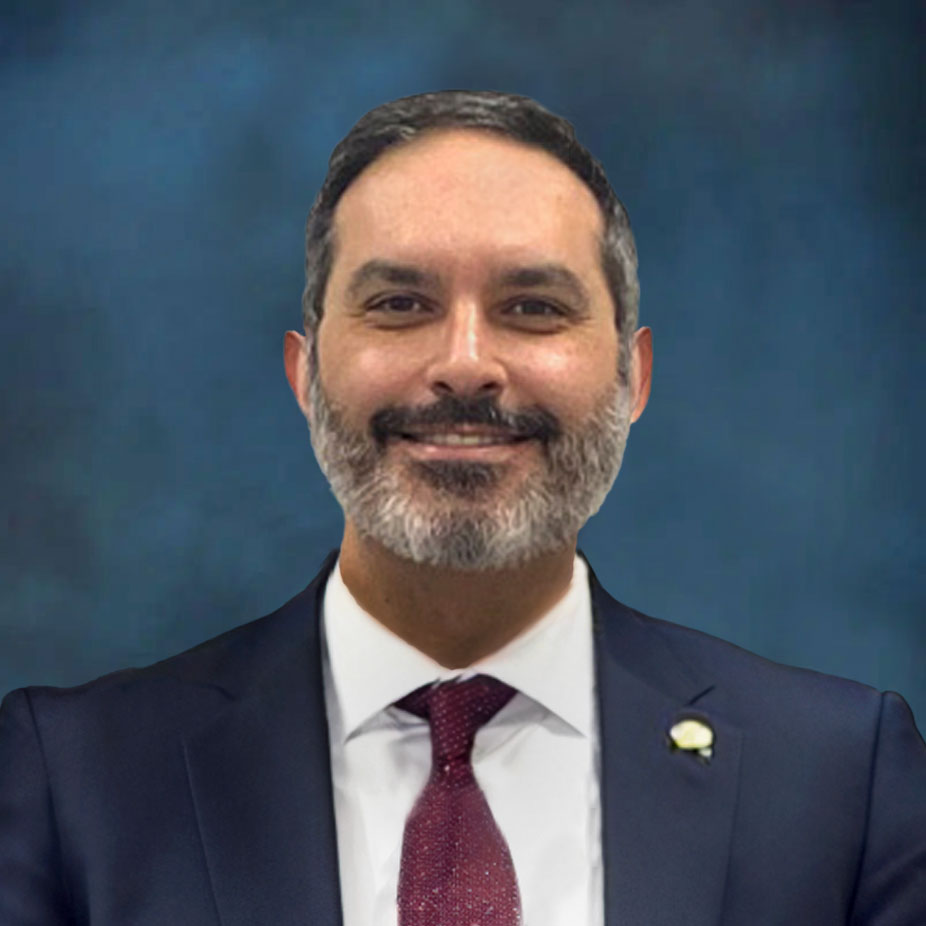
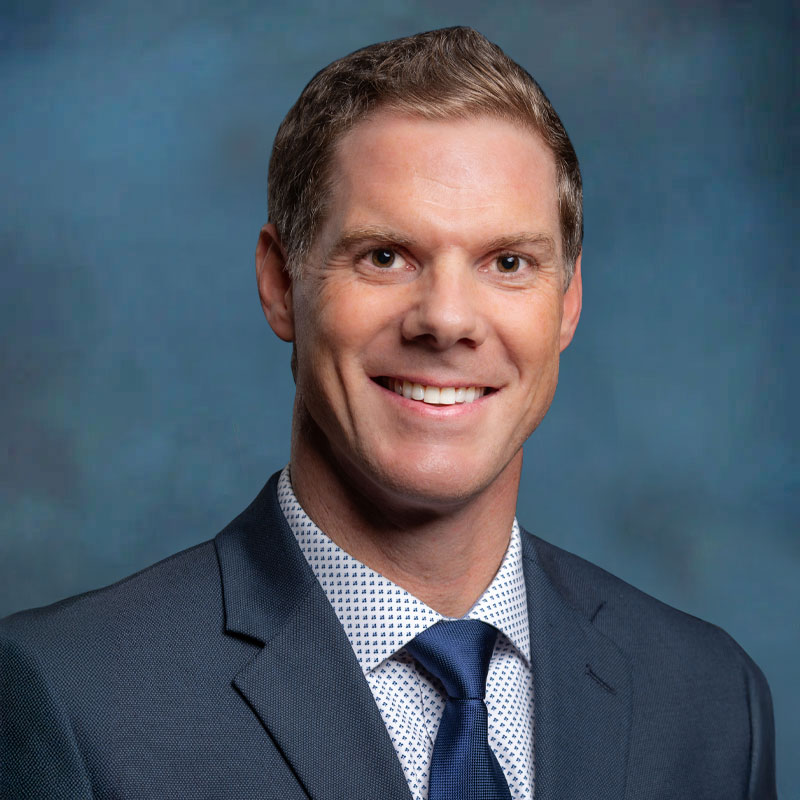
Your Regenerative Medicine Team of Board-certified Physicians




Schedule a Consultation
If you live near Beverly Hills, MI and have been advised to undergo EMG testing — or you are seeking answers for ongoing nerve or muscle symptoms — our team is available to help guide you through the diagnostic process.
Contact Michigan Center for Regenerative Medicine at (248) 216-1008 to schedule a consultation with one of our board-certified physicians. We are committed to providing responsible medical guidance and supporting your health with thoughtful, individualized care.
“In my late 30’s I started to notice a gradual hair loss that accelerated in my early 40’s. I looked into different transplant techniques and all seemed fairly invasive and expensive. I thought I’d give PRP a try because the science made sense to me and the cost was a fraction of other treatments. 3 months after my first treatment I noticed significant regrowth and after about 6 months the results have been amazing. I’ve had quite a few friends ask me what I did, and I’ve happily referred them on to Dr. Nabity. He explained everything in detail and comforting in his approach.” – Scott Rockford, IL


Take Advantage of Regenerative Medicine Provided by Board-certified Doctors
Contact Michigan Center for Regenerative Medicine Today and Discover If You are a Candidate. Home Office and Medical Center located at 355 Barclay Cir Suite A Rochester Hills, MI 48307. Visit our new location at 1000 E. Paris Ave SE Suite 221, Grand Rapids, MI 49546.