



How Regenerative Medicine Is Changing the Future of Joint Health
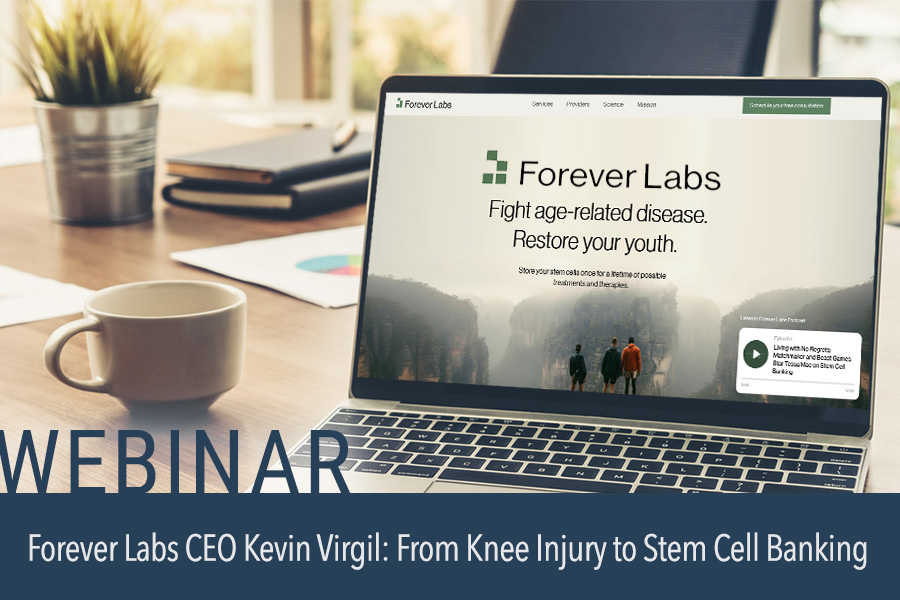
Regenerative medicine continues to reshape how physicians and patients think about injury recovery and long-term health. In a recent webinar titled “From Knee Injury to Stem Cell Banking,” Forever Labs CEO Kevin Virgil shared his personal journey from debilitating knee pain to renewed mobility through regenerative medicine.
Hosted in collaboration with the Michigan Center for Regenerative Medicine, the session explored how stem cell banking, orthopedic procedures, and emerging technologies are transforming the treatment landscape for joint injuries and degenerative conditions.
This blog post highlights the most important insights and takeaways from the webinar.

Kevin Virgil’s Story: From Severe Knee Pain to Recovery
Kevin Virgil spent decades living an active lifestyle. As a military service member and lifelong athlete, he put significant strain on his body through sports and physical activity.
Over time, that wear and tear led to severe knee degeneration. An MRI eventually revealed that he had very little cartilage remaining in his knees, resulting in osteoarthritis and chronic pain.
Like many patients facing joint degeneration, he was presented with common treatment options such as:
- Cortisone or pain-relief injections
- Physical therapy
- Total knee replacement surgery
At just over 50 years old, Virgil was hesitant to undergo joint replacement surgery and began exploring alternatives.
The Role of Stem Cell Banking
Years earlier, Virgil had taken a proactive step: he had banked his own stem cells.
Stem cell banking involves harvesting and preserving stem cells while they are still young and biologically robust. These cells can later be used for regenerative therapies as medical technologies evolve.
Why Younger Stem Cells Matter
One of the central concepts discussed in the webinar is that stem cells change as we age.
Younger cells tend to:
- Have greater regenerative potential
- Replicate more efficiently
- Support tissue repair more effectively
By preserving stem cells earlier in life, patients essentially create a biological reserve for future medical use.
How Regenerative Medicine Was Used in Kevin’s Treatment
When Virgil’s knee condition worsened, he decided to use his stored stem cells as part of a regenerative therapy approach.
The procedure involved:
- Retrieving previously banked stem cells
- Preparing the cells for therapeutic use
- Injecting them into the affected joints
The goal was to stimulate the body’s natural repair processes and encourage tissue regeneration.
Over time, Virgil experienced significant improvement in mobility and pain levels. In fact, he later reported returning to activities such as running after previously struggling with basic movement like climbing stairs.
Key Takeaways from the Webinar
1. Regenerative Medicine Is Expanding Rapidly
The field of regenerative medicine is evolving quickly, with new techniques focused on restoring damaged tissues rather than simply managing symptoms.
Examples include:
- Platelet-rich plasma (PRP)
- Bone marrow concentrate
- Stem cell–based therapies
- Growth factor therapies
These approaches aim to support the body’s own healing mechanisms.
2. Orthopedic Treatment Is Moving Beyond “Pain Management”
Traditional orthopedic care often focuses on:
- Reducing inflammation
- Controlling pain
- Replacing damaged joints
Regenerative medicine, by contrast, seeks to repair and regenerate tissue.
The long-term goal is improving function rather than only masking symptoms.
3. Stem Cell Banking Is Emerging as “Biological Insurance”
One of the most discussed ideas during the webinar was the concept of biological insurance.
Stem cell banking allows individuals to preserve their healthiest cells today for potential therapeutic use later in life.
Potential future uses may include:
- Joint repair
- Anti-aging therapies
- Tissue regeneration
- Recovery after injury or surgery
4. The Combination of Surgery and Regenerative Therapies Is Increasing
Virgil’s story also highlighted a growing trend in orthopedic medicine:
Combining surgical procedures with regenerative therapies.
Instead of choosing between surgery or regenerative medicine, physicians are increasingly integrating both approaches to support recovery and tissue repair.
This hybrid strategy may help improve healing outcomes and reduce recovery time.
The Future of Stem Cell Therapies
Researchers and clinicians continue to investigate new ways stem cells may be used to support healing across multiple medical fields.
Areas of ongoing exploration include:
- Orthopedic injuries
- Neurodegenerative diseases
- Cardiovascular repair
- Skin and tissue rejuvenation
Clinical trials and regulatory frameworks are also evolving to ensure safety and effectiveness as these therapies develop.
What Patients Should Know
While regenerative medicine shows significant promise, patients should approach treatments thoughtfully.
Important considerations include:
- Consulting qualified medical professionals
- Understanding regulatory guidelines
- Evaluating evidence-based treatment options
Regenerative medicine should always be discussed with a licensed physician who can determine whether a particular therapy is appropriate for a patient’s condition.
Final Thoughts
Kevin Virgil’s journey illustrates how advances in regenerative medicine are beginning to shift the paradigm of healthcare. Instead of relying solely on symptom management or major surgery, patients may soon have more options that harness the body’s own biological repair mechanisms.
As research continues and technologies mature, regenerative medicine may play an increasingly important role in how we treat injury, aging, and chronic degenerative conditions.
For patients seeking innovative approaches to joint health and recovery, the future may lie not just in medicine—but in their own biology.