


Michigan Center for Regenerative Medicine
Platelet Rich Plasma Near Rochester Hills, MI from Board-Certified Doctors
Platelet‑Rich Plasma (PRP) is one of the most exciting advances in regenerative medicine available today.
★ 4.7 Google rating · Board-certified physicians · Rochester Hills & Grand Rapids

What is PRP treatment?
Platelet-rich plasma (PRP) is prepared from a sample of your own blood. Processing concentrates platelets, which contain growth factors and other signaling proteins involved in the body’s healing response. The prepared PRP is injected into a selected treatment area when clinically appropriate. Its potential usefulness depends on the diagnosis, and research findings vary.
Contact Michigan Center for Regenerative Medicine at (248) 216-1008

Platelet‑Rich Plasma (PRP) is one of the most exciting advances in regenerative medicine available today. Unlike traditional pain treatments that focus on masking symptoms, platelet rich plasma near Rochester Hills, MI leverages your body’s own biological healing mechanisms to support recovery at the source of pain and injury.
Wondering what makes platelet-rich plasma in Michigan so unique?
Platelets are a natural part of your blood and play a key role in healing. When concentrated and re‑introduced into an injured area, these platelets release powerful growth factors that help:
- Stimulate tissue repair
- Support collagen production
- Reduce inflammatory processes
- Promote improved blood flow and healing
This makes platelet rich plasma near Rochester Hills, MI especially valuable for chronic tendon injuries, mild to moderate osteoarthritis, and soft tissue damage that hasn’t responded to standard conservative treatments — without the need for surgery.
This process for platelet rich plasma near Rochester Hills, MI is quick and minimally invasive. Most procedures take 20–40 minutes and can be performed as an outpatient treatment under the guidance of an experienced clinician.
What to Expect From Platelet Rich Plasma
If you are looking for a non‑surgical way to reduce pain and support healing, you may want to considering trying platelet rich plasma. This regenerative treatment uses your own blood to deliver concentrated healing growth factors to injured tissues. Used for joint pain, tendon and ligament injuries, arthritis, and more, platelet rich plasma bring minimal downtime and reduced reliance on medications or surgery.
- Blood is drawn and placed in a centrifuge to separate components
- The platelet‑rich layer is concentrated
- PRP is injected into the injured area under sterile technique, often using ultrasound guidance for precision
Because platelet rich plasma uses your own blood, allergic reactions are rare and the risk profile is favorable compared with many drugs or surgical interventions.
What Conditions Can Platelet Rich Plasma Help?
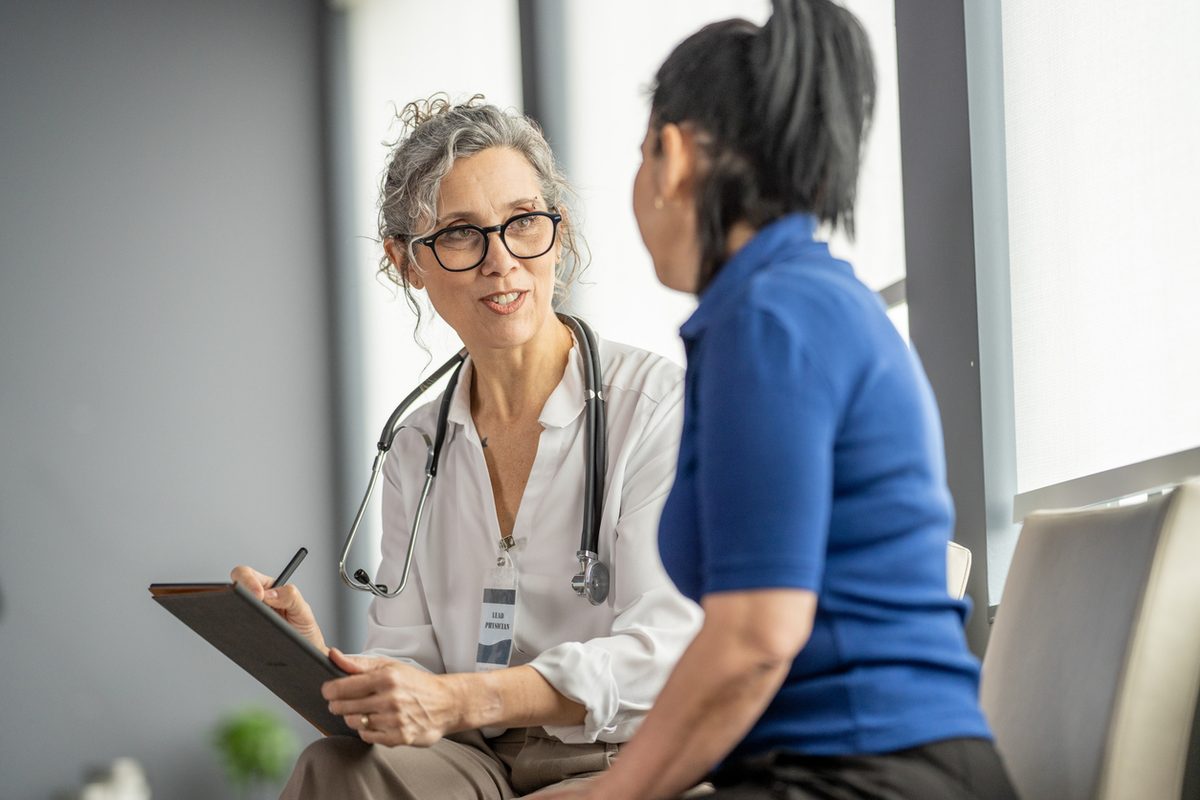
Platelet rich plasma may be effective for musculoskeletal pain and injuries, including:
- Muscle Tears and Soft Tissue Pain: Platelet rich plasma can be used to support recovery in muscle strain injuries by promoting organized tissue regeneration.
- Joint Pain and Osteoarthritis: Platelet rich plasma may reduce inflammation and discomfort in joints affected by mild to moderate osteoarthritis and help improve function.
- Tendon and Ligament Injuries: Persistent overuse injuries, such as tennis elbow, may respond well to platelet rich plasma when traditional conservative treatments fail.
Am I a Good Candidate For Platelet Rich Plasma?
To determine if you would benefit from platelet rich plasma your provider will review your history, imaging, and overall health before recommending treatment.
But in general, you may be a good candidate for platelet rich plasma if you have:
- Localized pain or dysfunction that hasn’t improved with conservative care
- Mild to moderate tendon or joint issues
- No active infection or serious bleeding disorders
- Realistic expectations for gradual improvement
Benefits of Platelet Rich Plasma
Potential benefits of platelet rich plasma include:
- Enhanced support for tendon, ligament, and joint healing processes
- Reduced reliance on pain medications
- Lower risk than invasive surgical procedures
- Support for natural tissue repair and healing
- Faster return to normal activities compared to surgery
How Many Treatment Sessions Will I Need?
This will depend on your condition and response to treatment. In general:
- Most patients see improvement after one session ofplatelet rich plasma
- Additional sessions may be recommended at intervals if needed
- Follow‑up visits will check progress and guide any subsequent treatment
Discussing your goals, lifestyle, and expectations upfront helps your provider tailor the best plan for platelet rich plasma.
Q: Is platelet rich plasma painful?
A: Some discomfort is possible during blood draw and injection, but providers often use local numbing to help manage this.
Q: How long before I see results from platelet rich plasma?
A: Many patients start noticing improvements in pain or function around 2–6 weeks, with peak benefits closer to 8–12+ weeks.
Q: Is platelet rich plasma covered by insurance?
A: Because PRP is still considered regenerative therapy, it is often not covered by insurance. Patients typically pay out‑of‑pocket. See PRP treatment cost in Michigan.
Q: Is platelet rich plasma safe?
A: PRP is generally well‑tolerated, especially when administered by qualified medical professionals in a sterile setting. Since it uses your own blood, risks related to allergic reactions are low.
Platelet rich plasma is a promising, minimally invasive alternative for many people seeking relief from chronic pain, joint issues, and tendon injuries.

Conditions
Conditions Our Physicians Evaluate
PRP may be considered for selected tendon and joint problems. Your evaluation determines whether it fits your diagnosis.
Knee arthritis can make stairs, walks and workouts harder. PRP may be one option to discuss.
Rotator cuff and shoulder tendon problems are a common reason patients ask about PRP.
Back and SI joint concerns get a careful diagnosis before any plan is suggested.
Joint problems beyond the knee may also be evaluated to see whether PRP is a fit.
For athletes who want to get back to training, an exam clarifies the source first.
Tendinitis, tennis elbow, plantar fasciitis and more. Browse every condition we evaluate.
Patient reviews
What Our Patients Say


In Their Words
He listens to the issues I have and works out a plan with me. He takes the time to explain what is going on and helps me understand.
Rosanna K. Sterling Heights, MI · PRP patient
He discussed options with me, on what he thought was the right course of action. He, along with his staff that assisted him during the procedure, were very caring about my comfort levels.
Dawn Novi, MI · PRP patient
I live in Ontario and drove across the border to get this treatment done and I did the right thing. Dr. Nabity and his staff took an exceptional care of me.
Anwar London, Ontario · PRP patient
Excerpts from our patient testimonials.
Individual results vary. Reviews reflect each patient’s own experience.

Your visit
Your Path to Treatment
Most visits follow four simple steps. Our team guides you through each one and answers questions along the way.
1. Consultation
Meet your physician, talk through your symptoms, and review your history and goals.
2. Diagnosis & Imaging
Ultrasound or other imaging helps identify the source of your pain.
3. Treatment
If PRP fits your plan, your physician provides image-guided treatment in our clinic.
4. Follow-Up
Check-ins track your progress and adjust your plan as needed.
Insurance & cost
Insurance, Self-Pay, and Clear Pricing
We accept many major insurance plans for consultations, testing, and many spine and joint procedures. Regenerative treatments such as PRP and stem cell therapy are usually self-pay, so you get a clear estimate before you decide.
Usually billed to insurance
- Consultations and office visits
- EMG and nerve testing
- Epidural, facet, and SI joint injections
- Nerve blocks, radiofrequency ablation, and nerve stimulators
Usually self-pay
- PRP and stem cell therapy (BMAC)
- Prolotherapy
- PRP hair restoration
- Stem cell banking
Self-pay options include prompt-pay discounts, payment plans, and HSA or FSA funds for eligible expenses.
Plans we accept

- PPO Trust










UMR coming soon. Blue Care Network plans require a referral. Coverage varies by plan and service, so call Rochester Hills (248) 216-1008 or Grand Rapids (616) 288-1109 and we will check your benefits.
Why patients choose MCRM
- Board-certified physicians Every procedure is performed by a board-certified physician, not a technician.
- Image-guided precision Ultrasound or fluoroscopic (x-ray) guidance places treatment exactly where it is needed.
- Your own cells, prepared on site Platelets and bone marrow cells are processed in our in-house lab during your visit.
- Results we track We have reported patient outcomes to the DataBiologics registry since 2019.
- Clear, upfront pricing Itemized estimates before treatment, prompt-pay discounts, and payment plans.
- Physicians who teach physicians Our doctors teach orthobiologic courses and helped write national back pain guidelines.
Our physicians
Meet Your Care Team

Thomas Nabity, MD
Board-certified physician

John Santa Ana, DO
Board-certified physician
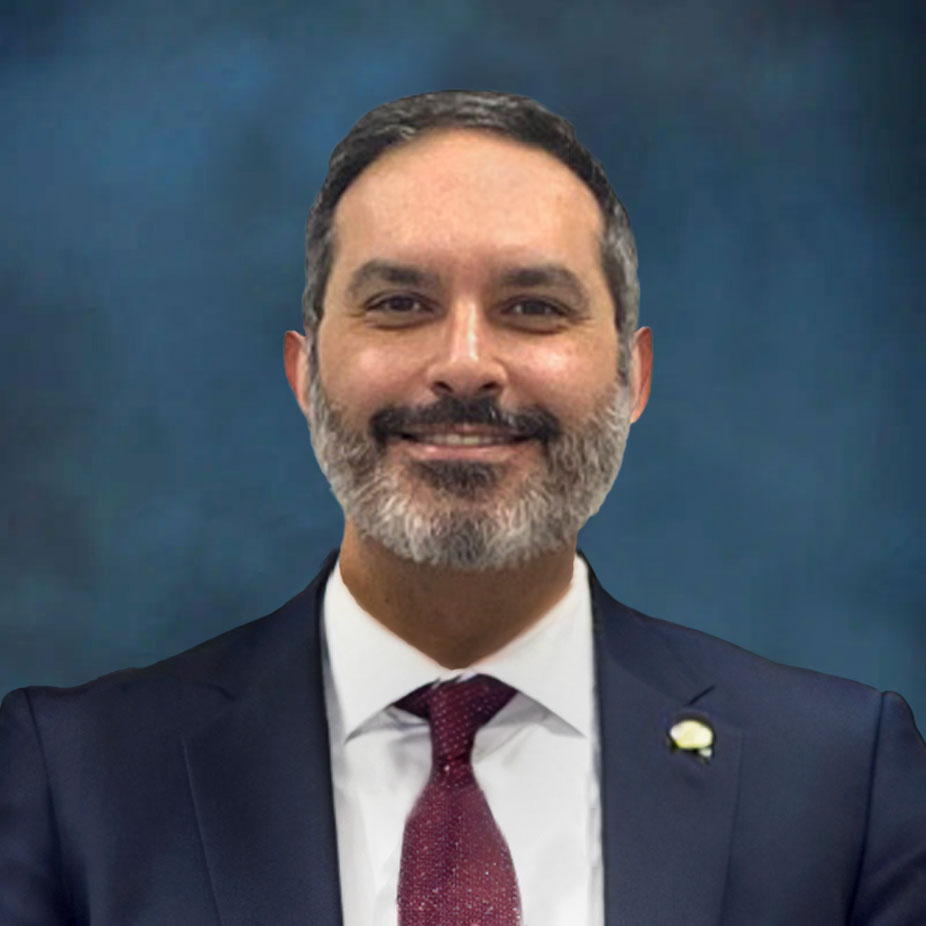
Robert Farhat, DO
Board-certified physician
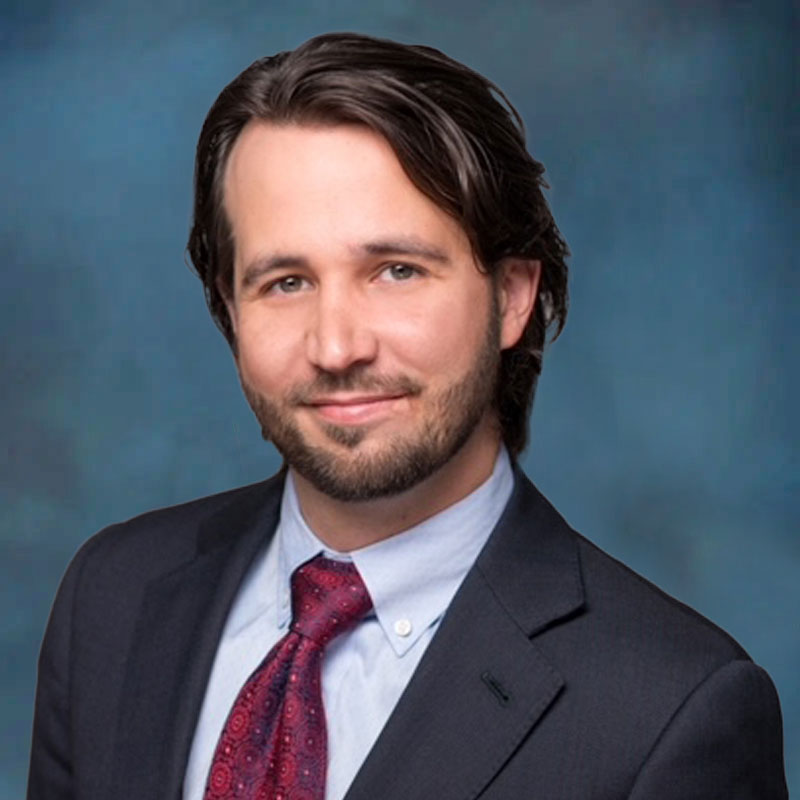
Kevin M. Nemeth, MD
Board-certified physician

John Steele, MD
Board-certified physician
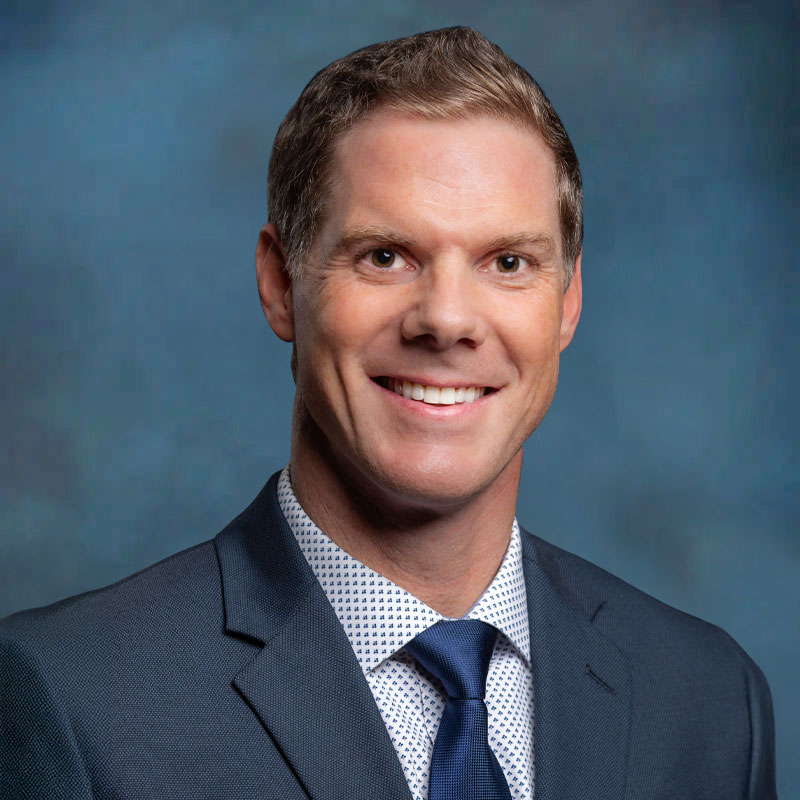
Christopher Hannasch, DO
Board-certified physician
Credentials & memberships
Training You Can Look Up
Board certification shows a physician completed specialty training and passed independent exams. Our physicians go further, with added certifications and memberships in orthobiologics, musculoskeletal ultrasound and electrodiagnostic medicine. Each program is run by an independent organization, so you can see exactly what it requires.
PM&R Board Certification
Board certification in physical medicine and rehabilitation, the specialty focused on restoring function.
Pain Medicine Board Certification
Board certification in pain medicine, covering evaluation and treatment of complex pain conditions.

IOF Certification Courses
Advanced knee, hip and spine certification courses in image-guided orthobiologic procedures.

IOF Instructors & Training Hub
Our physicians teach other doctors as IOF instructors, and our Rochester Hills clinic hosts training.
Musculoskeletal Ultrasound
Certified in diagnostic musculoskeletal ultrasound, the imaging used to guide our treatments.
Electrodiagnostic Medicine
Board certification in electrodiagnostic medicine, the specialty behind EMG and nerve testing.

American Academy of PM&R
The national society for physiatrists, physicians focused on restoring movement.
Interventional Pain (ASIPP)
A society that sets education and practice standards for interventional pain medicine.
Orthopaedic Medicine (AAOM)
A physician group focused on non-surgical musculoskeletal care, including prolotherapy.

DataBiologics Registry
We report patient outcomes to a national orthobiologics registry to track results over time.
Patient stories
Hear From Our Patients
Patients describe their own experiences with care at the Michigan Center for Regenerative Medicine. Individual results vary.
Patient Testimonial
Foot and Knee Pain Testimonial
FAQ
PRP Treatment Questions
Answers to common questions from Rochester Hills patients. Your physician can address your specific situation during a consultation.
What is PRP treatment?
PRP (platelet-rich plasma) is a concentrate made from a small sample of your own blood. It contains platelets and growth factors that play a role in the body’s natural healing response.
How is PRP prepared?
A small amount of blood is drawn and processed in a centrifuge to concentrate the platelets. The PRP is prepared during the same visit.
What conditions may PRP help with?
Our physicians evaluate PRP for selected tendon, ligament and joint problems, such as knee osteoarthritis, tendinopathy and some sports injuries. Your evaluation determines whether it fits your diagnosis.
How is PRP placed?
Our physicians use image guidance, such as ultrasound, to place PRP precisely in the treatment area.
Does PRP treatment hurt?
Most patients feel pressure and some soreness. A local anesthetic may be used, and soreness usually settles within several days.
How many PRP sessions will I need?
It depends on your condition and how you respond. Your physician will recommend a plan after your evaluation.
What is recovery like?
Many patients return to light daily activities soon after treatment, with guidance on activity and any physical therapy. Your physician will give you instructions specific to your treatment.
Is PRP covered by insurance?
PRP is often not covered by insurance. Our team can explain costs before treatment. See PRP treatment cost in Michigan.
Who is a good candidate for PRP?
People with certain ongoing tendon, ligament or joint pain who want to explore non-surgical options may be candidates. Results vary, and a consultation is the first step.
Where do you offer PRP treatment?
Our physicians see patients at our Rochester Hills office and our Grand Rapids office.

Keep learning
Related PRP Articles
News & Events · PRP Therapy
Pre-eminent Journal Publishes Findings in PRP for Knee Osteoarthritis
What did the PM&R Journal find about PRP for knee arthritis? The PM&R Journal reported two main factors linked to better results …
PRP Therapy
Why Not All PRP Treatments Are Created Equal
Why are not all PRP treatments the same? PRP can vary widely in quality and concentration. Many clinics use a bedside centrifuge …
Aesthetics & Skin Care · PRP Therapy
The Vampire Facial: Healing Skin from the Inside Out
How does the vampire facial work? The vampire facial combines microneedling with platelet-rich plasma (PRP) from your own blood. Microneedling makes tiny …
Next step
Find Out if PRP Treatment Is Right for You
Answer a few short questions and our team will contact you to schedule a consultation.
Share your symptoms and goals in the short form.
Our team contacts you to schedule a consultation.
Meet a board-certified physician in Grand Rapids or Rochester Hills.
★ 4.7 Google ratingBoard-certified physiciansTwo Michigan clinics
Prefer to talk?Rochester Hills (248) 216-1008Grand Rapids (616) 288-1109
Free webinar replay
Watch: How to Better Understand PRP From A to Z
Watch the replay of our physicians’ webinar on platelet-rich plasma (PRP).
Our physicians host free webinars with live Q&A. Watch any past webinar on demand, or call us to ask about the next date.
Our locations
Visit Our Michigan Clinics
Rochester Hills Clinic
355 Barclay Cir, Suite A
Rochester Hills, MI 48307
Monday–Friday, 9:00 am–4:30 pm
Grand Rapids Clinic
1000 E. Paris Ave SE, Suite 221
Grand Rapids, MI 49546
Monday–Friday, 9:00 am–4:30 pm
Areas we serve
PRP Treatment Near You
Patients visit our Rochester Hills and Grand Rapids clinics from across Michigan.