
Platelet Rich Plasma (PRP)
Musculoskeletal injuries are a common cause of severe long-term pain and physical disability. Increasing in popularity in sports medicine is the use of autologous platelet-rich plasma (PRP) therapy to biologically enhance healing. The prominence provided by professional athletes in a variety of fields including football, baseball, basketball, figure skating, and golf,1-3 who credit PRP therapy with faster return to competition after a joint injury, has brought exposure to PRP therapy as a desirable treatment for a range of sports-related injuries, compared to the more traditional treatment approach that may involve medications, physical therapy, or surgery. While basic science and preclinical data support some benefit of PRP for a variety of sports-related injuries, robust randomized trials are limited. Despite lack of approval by the US Food and Drug Administration (FDA), PRP therapy is gaining unproven acceptance as treatment for sports-related injuries.
Platelet rich plasma therapy is not a new concept. Over the past 2 decades, PRP therapy has been used to improve wound healing and bone grafting procedures in several clinical areas including neurosurgery; oral, periodontal, cosmetic, and maxillofacial surgery; otolaryngology; head and necksurgery; urology; orthopedic/spinal surgery; and cardiothoracic and general surgery.5, 6 In recent years PRP therapy has gained prominence among sports medicine specialists, professional athletes, and increasingly among individuals engaged in recreational sports. According to Michael Hall, MD, senior orthopedic surgery resident at the NYU Hospital for Joint Diseases in New York, “Use of PRP has increased, in large part due to new devices that enable fast preparation in the outpatient setting. A patient gives a blood sample and 30 minutes later can receive their injection….. There is always a risk of infection with any injection, and some have reported increased pain or inflammation at the injection site, but otherwise the risks with PRP appear minimal.”
“Thank you for making true and tangible impact in my life and the lives of all your clients. I’m so grateful to have made your acquaintance and cannot wait to begin taking even more of my life and mobility back and kicking the meds to the curb! I can’t wait to refer everyone I know to you!” ~ Pam E.
Treatable Conditions from Board-certified Doctors
- Muscle Pain Treatment
- Spine Pain Treatment
- Treatment Injuries
- PRP Treatment for Hair Restoration
- Nerve Pain Treatment
- Chronic Pain Treatment
- Treatment for Tendon Tears
- Ankle and Foot Pain Treatment
- Treatment For Muscular Weakness
- Arthritis and Bursitis Treatment
- Ankle and Foot Pain Treatment
- Treatment For Muscular Weakness
- Spinal Stenosis Treatment
- Diabetic Neuropathy Treatment
- Herniated Discs of the Spine
- Hip Pain Treatment
- Muscle And Tendon Sprain and Strain
- Treatment For Knee Cartilage Lesions
- Male Erectile Regeneration
- Ligament Strain Treatment
- Female Pelvic Floor Regeneration
- Regenerative Skin Care
- Degenerative Disc Disease Treatment
- Musculoskeletal Pain Treatment
- Osteoarthritis Treatment
- Plantar Fasciitis Treatment
- Sports Injury Treatment
- Sciatica Treatment
- Joint Pain Treatment
- Knee and Shoulder Pain Treatment
- Wrist and Hand Pain Treatment
- Tendinitis Treatment
- Meniscus Tears in the Knee
- Treatment for Tennis Elbow
- Tension Headache Treatment
- Lumbar Disc Herniation Treatment
- Sacroiliac (SI) Joint Dysfunction
- Lower Back and Bone Pain Treatment
- and Other Treatment Related to Muscle, Tendon, and Bone Trauma
More of Our Testimonials on Video
Here’s What Our Patients Had to Say on Google
Ask About Alternatives to Surgery for Your Chronic Pain
Contact the Michigan Center for Regenerative Medicine Today and Schedule Your Office Visit
It is important to clarify what PRP therapy is, the current understanding of its mechanism of action, and evidence for its effectiveness in treating common sports injuries.
Platelet-rich plasma, also referred to as platelet-enriched plasma, platelet-rich concentrate, autologous platelet gel, and platelet releasate, is defined as a plasma fraction of autologous blood having platelet concentration above baseline, and prepared from blood drawn from the patient. Platelets are separated from other blood cells and then concentrated by centrifugation. The concentrated platelets are recombined with the remaining blood, and the platelet-rich blood is injected directly into the patient’s injured area. Despite its pervasive use, the clinical efficacy of PRP therapy and its precise mechanisms of action have yet to be clearly defined.
In addition to platelets, PRP contains a variety of growth factors, including transforming growth factor-β, platelet-derived growth factor, insulin-like growth factor-I, vascular endothelial growth factor, epidermal growth factor, and hepatocyte growth factor. Many of these growth factors have been shown to enhance one or more phases of bone and soft tissue healing. Basic research suggests that PRP exerts its effects through many downstream events secondary to the degranulation of platelets releasing growth factors and other bioactive agents into the local environment, resulting in chemotaxis of inflammatory cells and activation and proliferation of local progenitor cells. It is believed that PRP can augment or stimulate healing by turning on the same biological processes that normally occur to initiate healing after musculoskeletal injury.
PRP is obtained via a high volume blood draw. The average amount of blood drawn is 120cc, which is comparable to 1/5 of the amount for blood donation, so it’s a very safe amount to take. Your blood is then processed immediately using a centrifuge which separates the blood. The blood is then passed back through another machine called a cell counter which isolates to portion of your blood called the Platelet Rich Plasma (PRP).
The PRP is the portion of your blood responsible for stimulating growth and healing. You can think of the process of healing a cut to understand how PRP works. First, platelets stick together in order for your body to form a clot and stop the bleeding. Then the platelets send out special signals to tell your body to send stem cells to the area of damage. Lastly, the stem cells are told what to grow into by the platelets, and you grow new blood vessels and new skin and heal the cut. That’s essentially how PRP works to stimulate growth and healing of your chronic painful disorder as well. And it works!
The PRP is then placed in a syringe and is ready to be injected. All injections are done under either ultrasound or x-ray guidance. This assures that the intended structure is injected and treated accurately. It also limits the risk of complications by assuring that un-intended structures (such as blood vessels and nerves) are avoided.
“The treatment that I received from Dr. Nabity was life changing. I am a member in the military and due to a back injury that I sustained in the military. I was presented with the choice to either have back surgery or get out of the military. Dr. Nabity treated my back with Platelet Rich Plasma Therapy and results have been amazing. My disc herniation’s have decreased to half the size and I am able to work out and run again. I have since been able to stay in the military continue to serve. I could not hold Dr. Nabity in higher regards he literally saved my career and increased my quality of life tenfold.” – Nick Port Huron, MI
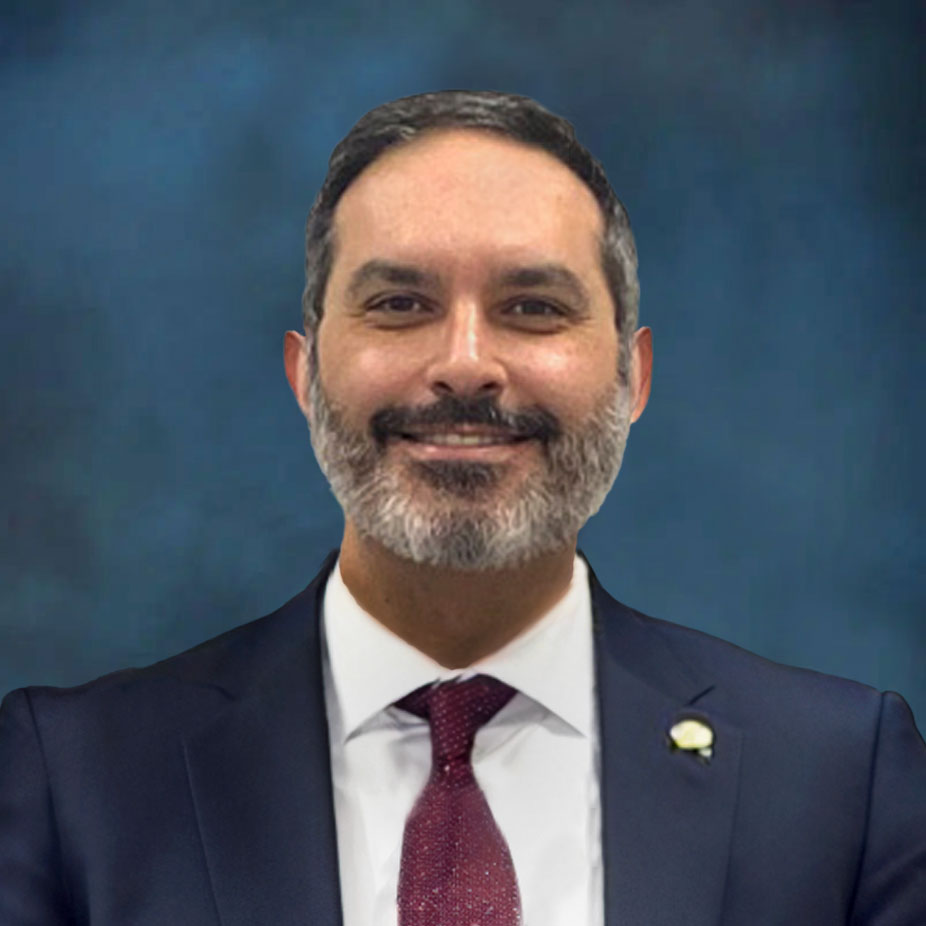
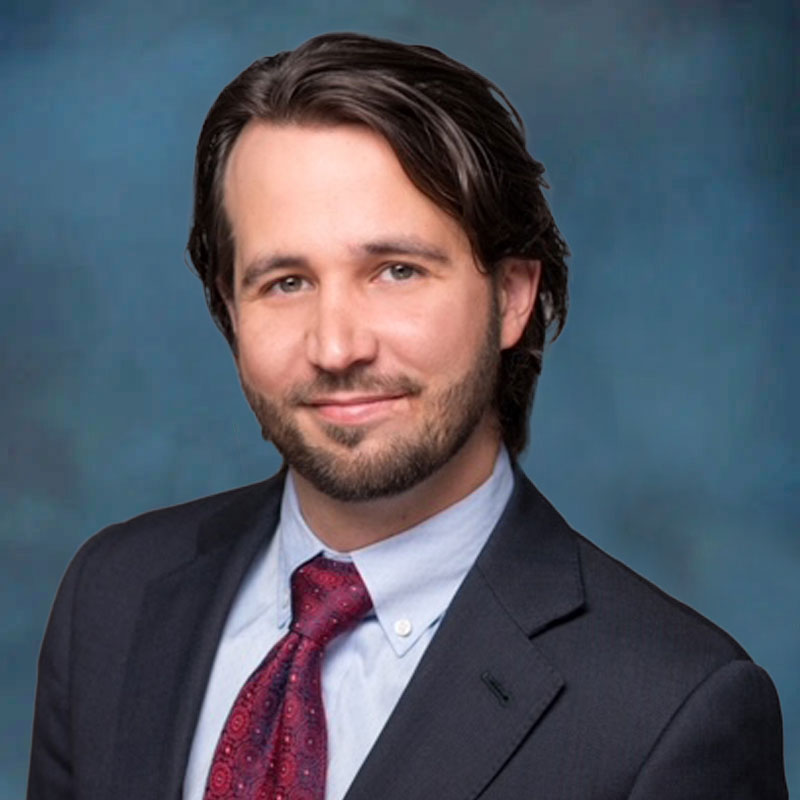
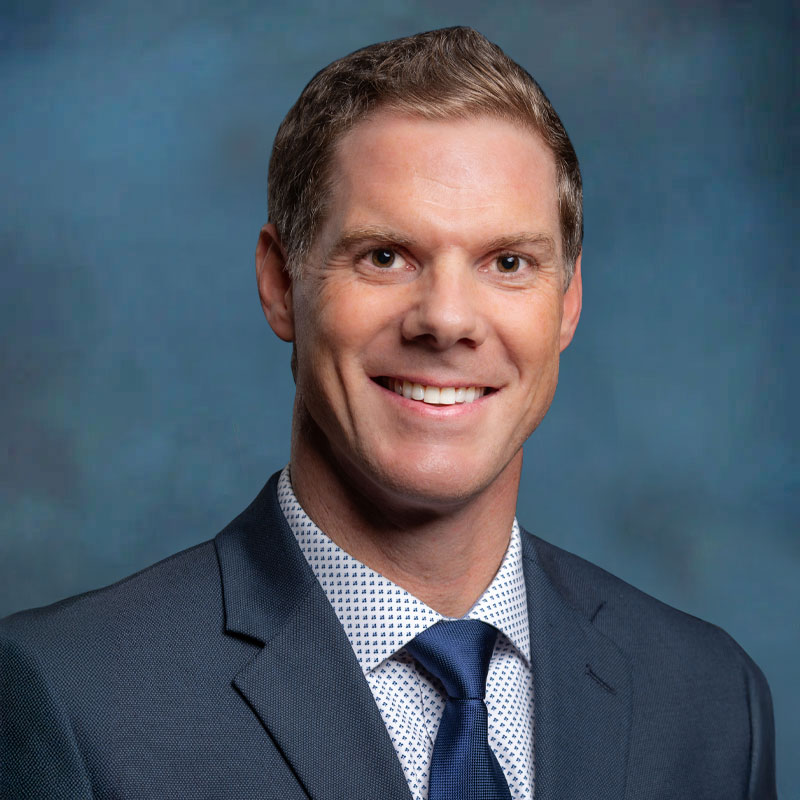
Your Regenerative Medicine Team of Board-certified Physicians



The normal healing process takes 6-8 weeks. Typically, you will experience increased pain for 3-5 days, then at about 2 weeks your pain will be better than it was before the procedure. The injected structures will have completed their healing process at around 8 weeks.
If the symptoms have improved but additional improvements are desired, the treatment may be repeated. Less than half a patients require retreatment. Typical more severe and longer lasting diseases will require a greater number of treatments.
Some personal factors may inhibit response to regenerative treatments. These include age, smoking, poor nutrition, diabetes, congestive heart failure, autoimmune diseases, and other immune suppression conditions. However, even if you have one of these conditions, it does not exclude you for potentially benefiting from the procedure.
The difference between PRP and Stem Cell, is that the PRP calls the stem cells to do their job and the
Stem Cell Procedure places a higher number of Stem Cells into the structure. The Stem Cell procedure is more potent and works better than PRP alone.
“In my late 30’s I started to notice a gradual hair loss that accelerated in my early 40’s. I looked into different transplant techniques and all seemed fairly invasive and expensive. I thought I’d give PRP a try because the science made sense to me and the cost was a fraction of other treatments. 3 months after my first treatment I noticed significant regrowth and after about 6 months the results have been amazing. I’ve had quite a few friends ask me what I did, and I’ve happily referred them on to Dr. Nabity. He explained everything in detail and comforting in his approach.” – Scott Rockford, IL


Take Advantage of Regenerative Medicine Provided by Board-certified Doctors
Contact Michigan Center for Regenerative Medicine Today and Discover If You are a Candidate. Home Office and Medical Center located at 355 Barclay Cir Suite A Rochester Hills, MI 48307. Visit our new location at 1000 E. Paris Ave SE Suite 221, Grand Rapids, MI 49546.
Related searches in cities near you: