
PRP Treatment in Grand Rapids MI
What is PRP treatment in Grand Rapids, MI?
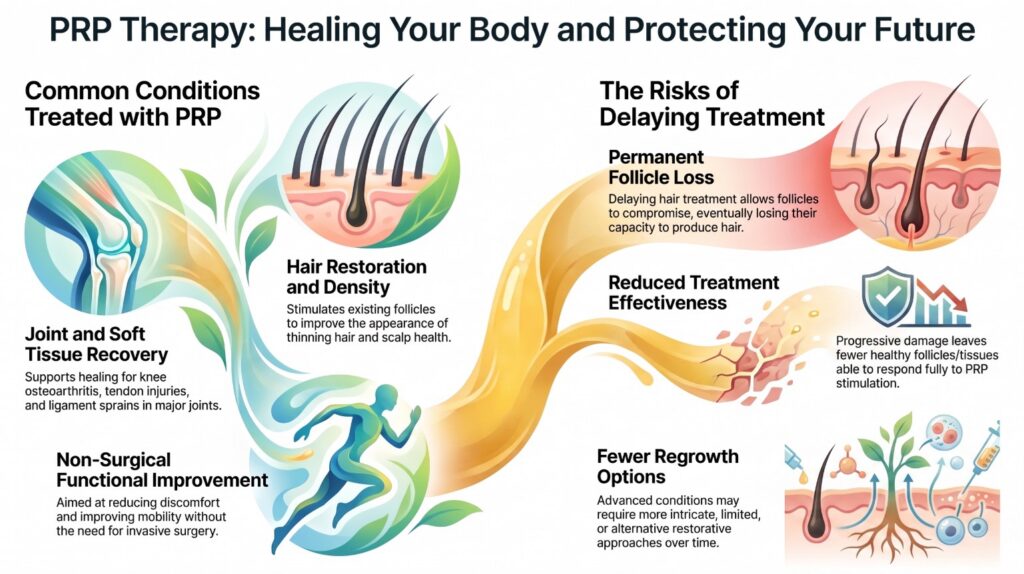
PRP treatment uses concentrated platelets from your own blood to support the body’s natural healing response. At the Michigan Center for Regenerative Medicine in Grand Rapids, it may help manage knee osteoarthritis, tendon injuries, ligament sprains and some types of hair loss. Your medical history, symptoms, medications and goals are reviewed first, and results develop gradually and vary.
The Michigan Center for Regenerative Medicine provides personalized PRP treatment in Grand Rapids, MI, using concentrated platelets from your blood to support tissue recovery, manage symptoms, and improve function when clinically appropriate. We first review your medical history, goals, medications, and diagnosis before developing an individualized plan. PRP may support conditions such as knee osteoarthritis, tendon injuries, ligament sprains, and hair loss, although results vary and develop gradually. We’ll explain preparation, recovery, costs, and follow-up so you can make an informed decision.
Learn more at Michigan Center for Regenerative Medicine to determine whether PRP treatment in Michigan may suit your needs.
Main Takeaways
- PRP treatment in Grand Rapids, MI uses concentrated platelets from your blood to support the body’s natural healing response.
- It may help manage knee osteoarthritis, tendon injuries, ligament sprains, and certain types of hair loss.
- A consultation reviews your medical history, symptoms, medications, goals, and whether PRP is appropriate for you.
- Treatment involves drawing blood, processing it, and injecting concentrated platelets into the targeted area.
- Results develop gradually and vary, with follow-up visits helping assess progress and refine your care plan.
How Michigan Center for Regenerative Medicine Can Help With Your PRP Treatment
At Michigan Center for Regenerative Medicine, we provide personalized PRP treatment plans designed to support the body’s natural recovery processes. We begin by listening carefully to your concerns, reviewing your medical history, and evaluating your goals. This collaborative approach helps us determine whether PRP may fit your circumstances and establish a plan that reflects your individual needs. You can also review PRP injection pricing before your consultation.
Our team uses Advanced PRP protocols and meticulous preparation to ensure consistency throughout your visit. We explain each stage clearly, answer your questions, and help you understand what to expect before, during, and after treatment. You’ll remain involved in decisions because effective care depends on communication and trust.
We also provide practical insurance guidance, including information about coverage considerations and payment questions. Although benefits vary, our staff can help you identify relevant details and prepare for your appointment. From consultation through follow-up, we remain available to support you with attentive, professional care in a respectful environment.
Understanding What PRP Treatment in Grand Rapids MI Can Do for Your Health
When you’re considering PRP treatment in Grand Rapids, MI, it’s important to understand that this therapy uses concentrated components from your own blood to support the body’s natural recovery response. By placing these platelets into a targeted area, we aim to encourage tissue repair, moderate inflammation, and support improved function. PRP doesn’t provide an instant treatment, and results can vary depending on your health, the treatment site, and adherence to medical guidance.
During your consultation, we’ll review your goals, medical history, and expectations so you can make an informed decision with the support of a care team. We’ll also discuss the impact on your lifestyle, including activity adjustments and realistic ways to protect your progress. Your recovery timeline may involve temporary soreness followed by gradual improvement over several weeks or months. Follow-up visits help us assess your response and refine recommendations. Working as a team, we’ll pursue a measured plan focused on safety, function, and sustainable health outcomes.
“After a series of facet and nerve blocking without feeling much improvement, I was referred to Dr. Nabity, who was very caring and supportive. I’ve been seeing Dr. Nabity for over a year and a half. I was suffering from very bad chronic pain after my car accident. He is one of the best doctors I have been to. He listens to the issues I have and works out a plan with me. He takes the time to explain what is going on and helps me understand. He also has a great sense of humor. He recommended the PRP (platelet rich plasma) injections. After the first sets of injections I was able to feel the improvement. I have done the PRP injections 3 times so far and it’s been helpful. I’m very happy with his care and concern for my well-being. I would highly recommend Dr. Nabity.” – Rosanna K. Sterling Heights, MI
Office Hours:
| Monday | 9:00 am – 4:30 pm |
| Tuesday | 9:00 am – 4:30 pm |
| Wednesday | 9:00 am – 4:30 pm |
| Thursday | 9:00 am – 4:30 pm |
| Friday | 9:00 am – 4:30 pm |
| Saturday | Closed |
| Sunday | Closed |
Map:
Treatable Conditions from Board-certified Doctors
- Muscle Pain Treatment
- Spine Pain Treatment
- Treatment Injuries
- PRP Treatment for Hair Restoration
- Nerve Pain Treatment
- Chronic Pain Treatment
- Treatment for Tendon Tears
- Ankle and Foot Pain Treatment
- Treatment For Muscular Weakness
- Arthritis and Bursitis Treatment
- Ankle and Foot Pain Treatment
- Treatment For Muscular Weakness
- Spinal Stenosis Treatment
- Diabetic Neuropathy Treatment
- Herniated Discs of the Spine
- Hip Pain Treatment
- Muscle And Tendon Sprain and Strain
- Treatment For Knee Cartilage Lesions
- Male Erectile Regeneration
- Ligament Strain Treatment
- Female Pelvic Floor Regeneration
- Regenerative Skin Care
- Degenerative Disc Disease Treatment
- Musculoskeletal Pain Treatment
- Osteoarthritis Treatment
- Plantar Fasciitis Treatment
- Sports Injury Treatment
- Sciatica Treatment
- Joint Pain Treatment
- Knee and Shoulder Pain Treatment
- Wrist and Hand Pain Treatment
- Tendinitis Treatment
- Meniscus Tears in the Knee
- Treatment for Tennis Elbow
- Tension Headache Treatment
- Lumbar Disc Herniation Treatment
- Sacroiliac (SI) Joint Dysfunction
- Lower Back and Bone Pain Treatment
- and Other Treatment Related to Muscle, Tendon, and Bone Trauma
Michigan Center for Regenerative Medicine Testimonials
Here’s What Our Patients Had to Say on Google


Reviews reflect individual patient experiences. Individual results vary.
Take Advantage of Regenerative Medicine Provided by Board-certified Doctors
Contact Michigan Center for Regenerative Medicine Today and Discover If You are a Candidate. Visit our new location at 1000 E. Paris Ave SE Suite 221, Grand Rapids, MI 49546.
Common Conditions That May Benefit From PRP Treatment in Grand Rapids MI
PRP treatment in Grand Rapids, MI may support recovery and symptom management for conditions such as knee osteoarthritis, tendon injuries, and ligament sprains. We’ll also consider its potential role in addressing hair loss by promoting healthier tissue activity. Your diagnosis, medical history, and treatment goals will help us determine whether PRP is appropriate for you.
Knee Osteoarthritis
Knee osteoarthritis develops as the protective cartilage in the joint gradually deteriorates, causing pain, stiffness, swelling, and reduced mobility. When these symptoms interfere with walking, exercise, or daily responsibilities, we can help you explore appropriate care options. Platelet-rich plasma (PRP) treatment uses concentrated components from your own blood to support the body’s healing response within the affected knee. While PRP cannot restore lost cartilage, it may reduce discomfort and improve function for some patients.
We’ll review your medical history, imaging, activity level, and treatment goals before recommending an individualized plan. As part of extensive joint pain management, PRP may complement physical therapy, activity modifications, and other non-surgical alternatives. Together, we can discuss realistic expectations, potential benefits, and whether this approach fits your needs and long-term mobility goals.
Tendon Injuries
Tendon injuries can cause persistent pain, weakness, and limited movement, particularly in areas such as the shoulder, elbow, wrist, hip, knee, and Achilles tendon. These problems may develop through overuse, repetitive strain, aging, or sudden increases in activity. When standard care hasn’t provided adequate relief, platelet-rich plasma (PRP) therapy may offer a supportive treatment option. Understanding the basics of PRP helps us explain how concentrated platelets from your blood can release growth factors that encourage the body’s natural repair processes.
After evaluating your symptoms, medical history, and imaging, we can determine whether PRP is appropriate for your condition. Treatment plans may also include activity modification and rehabilitation to support tendon recovery. We’ll work with you to establish realistic goals, monitor progress, and create a careful path toward improved function and daily comfort.
Ligament Sprains
When a ligament becomes overstretched or torn, it can cause pain, swelling, instability, and difficulty using the affected joint. These sprains commonly affect the ankle, knee, wrist, and shoulder, often after a fall, sudden movement, or sports-related impact. Depending on the injury’s severity, healing may require activity modification, bracing, physical therapy, or additional medical care. PRP treatment may support the body’s repair response by delivering concentrated platelets to the injured area.
We’ll first evaluate your symptoms, examine joint stability, and review imaging when appropriate to determine whether PRP fits your needs. Rehabilitation planning remains critical because gradual strengthening and restored mobility can help protect the ligament during recovery. We’ll also discuss realistic recovery timelines, expected milestones, and follow-up care so you can move forward with confidence and shared support.
Hair Loss
Hair loss can result from genetics, hormonal changes, aging, stress, or certain medical conditions, and it may affect both hair density and confidence. We recognize how personal these changes can feel, and we’re here to help you explore appropriate options with informed guidance.
Hair loss PRP uses concentrated platelets from your blood to support the scalp’s natural repair processes. After evaluating your medical history, hair pattern, and scalp health, we can determine whether treatment may be suitable for you. PRP may help stimulate existing follicles and improve the appearance of thinning hair, although results vary and it doesn’t replace necessary treatment for underlying disorders.
We’ll also consider scalp microinflammation, which may contribute to follicle stress. With realistic expectations and a personalized plan, we can help you pursue healthier-looking hair as part of your care journey.

Your Treatment Options for PRP Treatment in Grand Rapids MI
PRP treatment in Grand Rapids, MI, offers a personalized approach for patients seeking to support tissue recovery, reduce discomfort, or address hair thinning. We’ll discuss your goals, examine the affected area, and determine whether PRP injections are suitable for your condition and expectations. Treatment plans may focus on joints, tendons, skin, or the scalp, with recommendations tailored to your medical history and desired outcome.
Depending on your needs, we may consider:
- Restoring confidence as hair appears fuller over time
- Supporting mobility when persistent discomfort limits daily activities
- Strengthening your sense of belonging through attentive, individualized care
PRP may complement other services, including physical rehabilitation, dermatologic care, or regenerative procedures. We’ll also explain alternative therapies when PRP isn’t appropriate or when combining approaches could provide greater support. Lifestyle adjustments, such as activity modification and consistent care, may further influence results. Because outcomes vary, we’ll review realistic timelines, potential benefits, and limitations so you can select an informed treatment path with confidence.
Steps to Take Before Starting PRP Treatment in Grand Rapids MI
Before starting PRP treatment in Grand Rapids, MI, we’ll schedule a consultation to evaluate your concerns, goals, and suitability for treatment. We’ll review your medical history, medications, and relevant health conditions to identify potential risks and develop an appropriate plan. We’ll also explain the pre-treatment guidelines you’ll need to follow so you can prepare safely and support the best possible recovery results.
Schedule A Consultation
Scheduling a consultation is the important first step toward determining whether PRP treatment is appropriate for your hair restoration goals in Grand Rapids, MI. During this visit, we’ll discuss what you want to improve, answer your questions, and explain how treatment may support your objectives. We’ll also outline the consultation planning process, including appointment timing, preparation expectations, and potential next steps.
If you’re exploring PRP for hair restoration, we’ll provide clear information to help you make an informed decision within our professional community. Patients considering PRP for Sports recovery can also ask how platelet-rich plasma may support their broader wellness goals, although treatment plans differ by purpose. Bring a list of questions and realistic expectations, and we’ll work together to establish whether moving forward is appropriate.
Review Medical History
A review of your medical history helps us determine whether PRP treatment is appropriate for your goals and health needs in Grand Rapids, MI. During our medical record review, we’ll examine previous injuries, surgeries, chronic conditions, allergies, medications, and earlier treatments. Please provide accurate information, including diagnoses and therapies from other providers, so we can responsibly evaluate potential risks and expected benefits. We’ll also discuss your current symptom history, including when symptoms began, their severity, activities that worsen them, and how they affect daily life.
This conversation helps us identify factors that may influence relief and treatment response. By sharing your complete history, you give our team the information needed to develop a careful, individualized plan that supports your goals and keeps your care connected, informed, and appropriate.
Follow Pre-Treatment Guidelines
Following our review, we’ll provide specific pre-treatment guidelines to help you prepare safely for PRP treatment in Grand Rapids, MI. These steps help our shared plan remain safe, consistent, and appropriate for your goals.
First, complete every requested pre-treatment health screening. We’ll review current conditions, allergies, medications, supplements, and recent illnesses before confirming your appointment. Don’t stop prescribed medication on your own; instead, ask your physician whether any changes are appropriate. Unless your care team gives different instructions, avoid blood thinners and anti-inflammatory drugs for the recommended period, as they may affect platelet activity or increase the risk of bruising. Limit alcohol and smoking, maintain adequate hydration, and eat a balanced meal before treatment unless we advise otherwise. Arrive with clean skin and follow all appointment instructions. By preparing collaboratively and asking questions early, we can support a well-informed, comfortable experience.
How a PRP Treatment in Grand Rapids MI Can Help You
With PRP treatment in Grand Rapids, MI, we use concentrated platelets from your own blood to support the body’s natural recovery processes in targeted areas. This approach may help address certain tendon, joint, muscle, and soft-tissue concerns while working with your body rather than introducing foreign substances. We’ll evaluate your goals, medical history, and affected area to determine whether PRP fits your care plan.
PRP uses your own concentrated platelets to support natural recovery in targeted tendons, joints, muscles, and soft tissues.
Our patients often value PRP because it may support:
- Non-surgical recovery that helps you remain engaged in daily life
- Faster healing by encouraging a focused response where treatment is applied
- A personalized experience guided by our team and shared with a community seeking responsible care
Results vary according to the condition, tissue quality, and overall health. We’ll explain the procedure, expected recovery, and appropriate follow-up so you can make an informed decision. Together, we’ll pursue a thoughtful treatment strategy that respects your needs and supports meaningful progress.
Long-Term Effects of Delaying PRP Treatment
Delaying PRP treatment may allow hair loss to worsen, making it more difficult for us to preserve existing follicles and support regrowth. As the condition progresses, treatment may become less effective because fewer healthy follicles remain responsive. We may also face fewer regrowth options over time, which makes timely evaluation and personalized care important.
Worsening Hair Loss
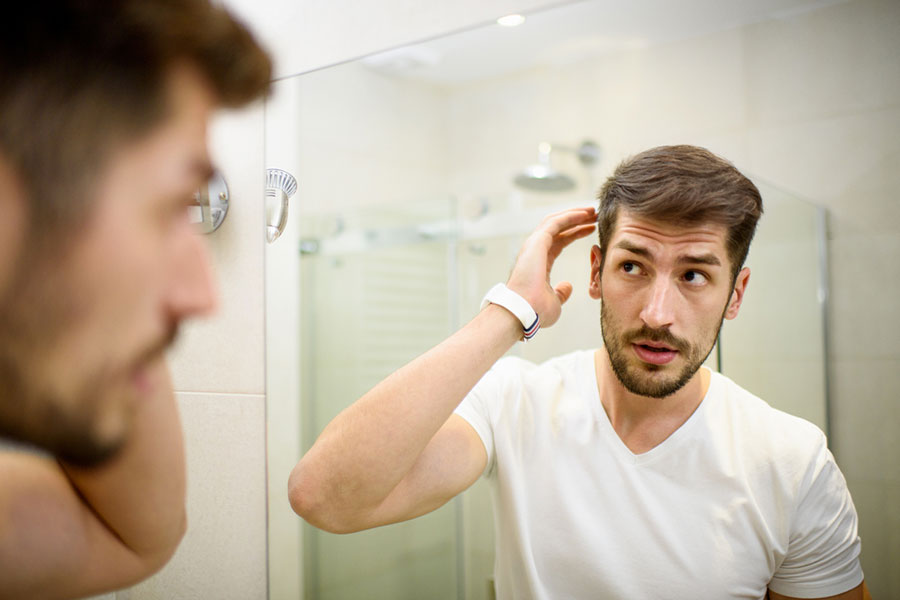
Worsening hair loss can occur when early signs of thinning remain untreated, particularly if the underlying follicle damage continues over time. We encourage you to recognize changes early and seek professional guidance before more follicles become compromised. Understanding potential causes of hair loss, including hormonal shifts, nutritional deficiencies, inflammation, genetics, and certain medical conditions, helps us identify appropriate next steps. Persistent inflammation may gradually weaken follicles, whereas conditions such as scarring alopecia can permanently destroy them, preventing recovery in affected areas.
We’ll evaluate your scalp history, shedding pattern, and overall health to clarify what may be contributing to the progression. Acting with informed support can help you feel included in the process and protect your long-term scalp health. Early attention also helps us monitor changes carefully and coordinate appropriate care when needed.
Reduced Treatment Effectiveness
Treatment effectiveness can be reduced when progressive follicle damage limits PRP’s ability to support hair restoration. When we delay evaluation, ongoing inflammation, miniaturization, or hormonal changes may leave fewer healthy follicles able to respond fully. PRP can encourage activity in weakened follicles, but it cannot reliably reverse every underlying cause of continued thinning. As a result, postponement may require more sessions, longer monitoring, or revised expectations regarding density and timing.
Through careful treatment planning, we assess your pattern of loss, medical history, and goals before recommending a personalized approach. Patient education helps us explain what PRP can and cannot accomplish, so you can make informed decisions without unrealistic promises. We encourage you to seek guidance early, because timely care gives our team the best opportunity to support meaningful, sustainable improvement side by side.
Fewer Regrowth Options
When hair loss progresses without timely intervention, fewer regrowth options may remain available because weakened follicles can become less receptive to supportive treatments. As follicle activity declines, we may have less opportunity to strengthen existing growth and preserve density. Delaying PRP treatment can also allow thinning areas to expand, making future care more complex and potentially resulting in limited regrowth. Although PRP may support circulation and follicle function for appropriate candidates, it cannot restore follicles that have permanently lost their capacity to produce hair. In advanced cases, we may need to discuss alternative tissue options or other restorative approaches.
By seeking an evaluation early, you can join us in creating a plan that protects viable follicles, sets realistic expectations, and keeps more pathways open for individualized care.
Identifying the Underlying Cause of Your PRP Treatment Symptoms
Identifying the underlying cause of your PRP treatment symptoms helps us determine whether they reflect a normal recovery response or require further evaluation. We begin with careful symptom assessment, reviewing when discomfort, swelling, redness, shedding, or sensitivity started and whether these changes are improving. Your medical history, current medications, scalp or skin condition, and treatment details provide vital context.
If symptoms appear unusual, we may recommend diagnostic testing to identify infection, inflammation, allergic reactions, or another condition that could affect repair. We also distinguish treatment-related effects from unrelated concerns, such as an existing dermatologic disorder or medication response. This process allows us to develop personalized protocols rather than relying on assumptions or standardized recommendations.
Cost Factors for PRP Treatment in Grand Rapids MI
After we identify the cause of your symptoms, we can provide a clearer explanation of the costs associated with PRP treatment in Grand Rapids, MI. Several factors influence your total investment, including the treatment area, the number of recommended sessions, preparation requirements, and the complexity of your condition. During your consultation, we’ll review these details and clearly explain our PRP pricing so you can make an informed decision without any unexpected charges.
Insurance coverage for PRP varies widely. Many plans classify platelet-rich plasma as elective or investigational, which may limit reimbursement. We encourage you to contact your insurer and confirm applicable insurance requirements, including referrals, documentation, or preauthorization. Our team can help you understand the information your plan requests, although coverage decisions remain with your insurer.
If insurance doesn’t apply, we’ll discuss available payment plans and accepted payment methods. We want every patient to receive transparent guidance and feel included throughout the financial discussion. Together, we can identify a practical approach that aligns with your needs and budget.
What to Expect From Your PRP Treatment in Grand Rapids MI
Your PRP treatment in Grand Rapids, MI, begins with a focused consultation and evaluation of the affected area. We’ll review your symptoms, goals, medical history, and current medications to determine whether PRP is right for you. During treatment, we draw a small blood sample, process it to concentrate platelets, and carefully inject the platelet concentrate into the target tissue. Local numbing may improve comfort, although you may notice pressure or brief soreness.
Afterward, we’ll provide clear instructions for protecting the area, managing expected discomfort, and resuming normal activities. Mild swelling, tenderness, or bruising can occur temporarily. Your expectations timeline depends on the condition treated and your individual response; improvement may develop gradually rather than immediately. Follow-up visits help us assess progress and adjust recommendations when appropriate.
We’ll also discuss Lifestyle recovery, including activity modifications, sleep, nutrition, and other supportive habits. By understanding each step, you can approach treatment with realistic expectations and feel informed throughout your recovery with our team.
Why You Need an Experienced Regenerative Medicine Center in Grand Rapids MI
Choosing a skilled regenerative medicine center in Grand Rapids, MI, helps ensure that your PRP treatment reflects a careful diagnosis, a fitting treatment plan, and consistent medical oversight. Why skill matters becomes clear when providers must determine whether platelet-rich plasma is suitable for your condition, health history, and recovery goals. Trained clinicians understand how to prepare and administer PRP while maintaining appropriate safety standards and realistic expectations.
We use tailored PRP protocols rather than relying on identical procedures for every patient. This individualized approach can account for the affected tissue, symptom duration, activity level, and response to previous care. Throughout treatment, we monitor your progress and adjust recommendations when clinically appropriate, helping you remain informed and supported.
Our goal is to provide more than an injection. We create a professional, respectful setting where you feel recognized as part of a community committed to thoughtful care. With trained oversight, we can help you pursue regenerative treatment with greater clarity, consistency, and confidence.
How to Choose the Right Grand Rapids MI Regenerative Medicine Center
When evaluating a regenerative medicine center in Grand Rapids, MI, we should consider the provider’s clinical experience, diagnostic process, and commitment to individualized care. We would expect a practice that listens carefully, explains realistic options, and includes us in every decision.
We should verify that licensed professionals perform consultations and procedures and confirm their credentials, training, and experience with platelet-rich plasma and related therapies. A thorough evaluation should review our medical history, symptoms, goals, and previous treatments before recommending care. Centers that promise identical results for every patient may not provide the individualized attention we need.
Patient transparency also matters. We should receive clear information about expected benefits, limitations, potential risks, costs, and follow-up requirements. The center should answer questions directly and provide adequate time for thoughtful decisions rather than applying pressure. We can also assess communication standards, facility cleanliness, and availability after treatment. Choosing a center with these qualities helps us pursue care within a respectful, informed, and supportive community.
About Michigan Center for Regenerative Medicine
Michigan Center for Regenerative Medicine provides patients with access to personalized regenerative care in Grand Rapids, MI. We welcome individuals seeking thoughtful guidance, clear information, and treatment plans designed around their specific health goals. Our team begins with a comprehensive evaluation that may include diagnostic testing, a review of medical history, and an assessment of symptoms, function, and prior treatments.
When platelet-rich plasma therapy may be appropriate, we develop custom PRP planning based on your condition, anatomy, and desired outcomes. We explain each step, discuss realistic expectations, and help you make informed decisions without unnecessary pressure. Throughout the process, we maintain a collaborative relationship so you remain involved in your care.
Our approach emphasizes careful preparation, evidence-informed practices, and consistent follow-up. By combining regenerative medicine expertise with individualized attention, we provide a dependable experience for patients throughout Grand Rapids and surrounding communities. We’re here to help you understand your options and move forward with confidence.
Frequently Asked Questions
Is PRP Treatment in Grand Rapids MI Safe for Everyone?
PRP treatment isn’t suitable for all people, so we should evaluate your health before proceeding. Eligibility considerations include your medical history, medications, blood counts, skin condition, pregnancy status, and treatment goals. Thorough contraindication screening helps identify concerns such as active infection, certain blood disorders, severe anemia, or medications that affect clotting. We’ll review benefits and risks as a unit, then recommend PRP only when it’s medically appropriate and responsibly administered.
How Long Does a PRP Treatment Session Typically Take?
A typical PRP treatment session lasts approximately 45 to 90 minutes, depending on the treatment area and whether numbing medication is used. We’ll draw a small blood sample, process it to concentrate platelets, and carefully inject the PRP into targeted areas. Your provider will explain each step and answer questions throughout the visit. The Treatment Time excludes scheduling and check-in. We’ll also review your Recovery Timeline, including activity restrictions and follow-up care.
Are There Side Effects After Receiving PRP Injections?
Yes, side effects can occur after PRP injections, although they’re typically mild and temporary. Common temporary effects include post-injection discomfort, tenderness, swelling, bruising, or redness near the treatment area. We encourage you to follow your clinician’s aftercare instructions and avoid strenuous activity when advised. Because PRP uses your own blood components, allergic reactions are uncommon. Contact your provider promptly if you experience severe pain, spreading redness, drainage, fever, or worsening symptoms.
Can I Drive Myself Home After PRP Treatment?
You can usually drive yourself home after PRP treatment if you feel alert, steady, and have not received any medication that impairs judgment. However, we recommend arranging transportation whenever possible, especially after injections near the knee, hip, or spine. Follow our driving guidelines and avoid driving if pain, weakness, dizziness, or restricted movement affects your ability to control the vehicle. Essential post-care tips include resting, monitoring symptoms, and contacting us if concerning reactions develop during recovery.
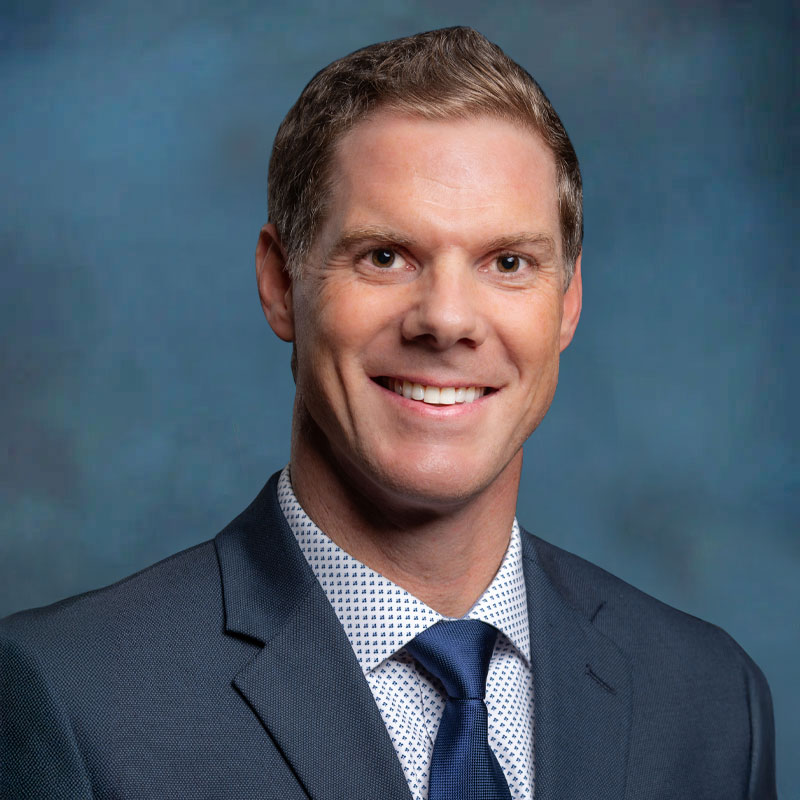
Your Regenerative Medicine Team of Board-Certified Physicians



Does Insurance Cover PRP Treatment in Grand Rapids MI?
Insurance coverage for PRP treatment varies by plan and medical purpose, and many insurers classify it as elective or investigational, limiting reimbursement. We recommend contacting your insurer before scheduling to confirm benefits, authorization requirements, deductibles, and eligible diagnoses. Our team can help you request documentation, but coverage decisions are made by your carrier. If insurance won’t contribute, ask about flexible payment options, financing, or staged payments so we can review choices separately.
If you’re considering PRP treatment in Grand Rapids, MI, Michigan Center for Regenerative Medicine can help you evaluate whether this approach aligns with your health needs and goals. Our team provides careful assessments, individualized treatment planning, and experienced guidance throughout the process.
PRP may support recovery for selected conditions, but appropriate candidacy is crucial. Contact us to discuss your options, understand what to expect, and take the next informed step toward regenerative care.
PRP Treatment in Grand Rapids Will Allow You To Get On With Your Life
Platelet-rich plasma therapy is such a simple yet effective technique that it will cause little interference to the rest of your life. You may experience some soreness or bruising around the injection site, but that is about it. PRP Treatment in Grand Rapids will allow your body to get on with what it does naturally – heal itself – but with a little bit of extra help.
If you are keen to learn more about PRP Treatment in Grand Rapids, the team here at the Michigan Center for Regenerative Medicine would be happy to help educate you. You can call us at (616) 288-1109 whenever you like, or, if you’d prefer, contact us online through our contact form.


More Treatments at Our Grand Rapids Clinic
Visit Our Grand Rapids Clinic
Michigan Center for Regenerative Medicine – Grand Rapids
1000 E. Paris Ave SE, Suite 221, Grand Rapids, MI 49546
(616) 288-1109 · Monday–Friday, 9:00 am–4:30 pm
Patients from across West Michigan visit our Grand Rapids office for PRP, stem cell therapy, prolotherapy and other non-surgical treatments.
Take Advantage of Regenerative Medicine Provided by Board-certified Doctors
Contact Michigan Center for Regenerative Medicine Today and Discover If You are a Candidate. Visit our new location at 1000 E. Paris Ave SE Suite 221, Grand Rapids, MI 49546.
Related searches in cities near you:
- PRP Treatment Troy MI
- PRP Treatment Rochester Hills MI
- PRP Treatment Northville MI
- PRP Treatment Metro Detroit
- PRP Treatment Detroit
- PRP Treatment Novi MI
- PRP Treatment Bloomfield Hills MI
- PRP Treatment near Birmingham MI
- PRP Treatment West Bloomfield MI
- PRP Treatment Near You
- PRP Treatment Near Pontiac MI
- PRP Treatment Near Lansing MI
- PRP Treatment near Flint MI
- PRP Treatment Near Farmington MI
- PRP Treatment near Downtown Detroit
- PRP Treatment near Milford MI
- PRP Treatment Rochester MI
- PRP Treatment in Grand Haven, MI
- PRP Treatment in Traverse City, MI