


Michigan Center for Regenerative Medicine
Shoulder Pain Doctor Near Auburn Hills, MI Non-Surgical Care From Board-Certified Doctors
Shoulder pain is one of the most common types of chronic pain in the United States, with an estimated one in four adults dealing with shoulder pain at some point in their lives.
★ 4.7 Google rating · Board-certified physicians · Rochester Hills & Grand Rapids
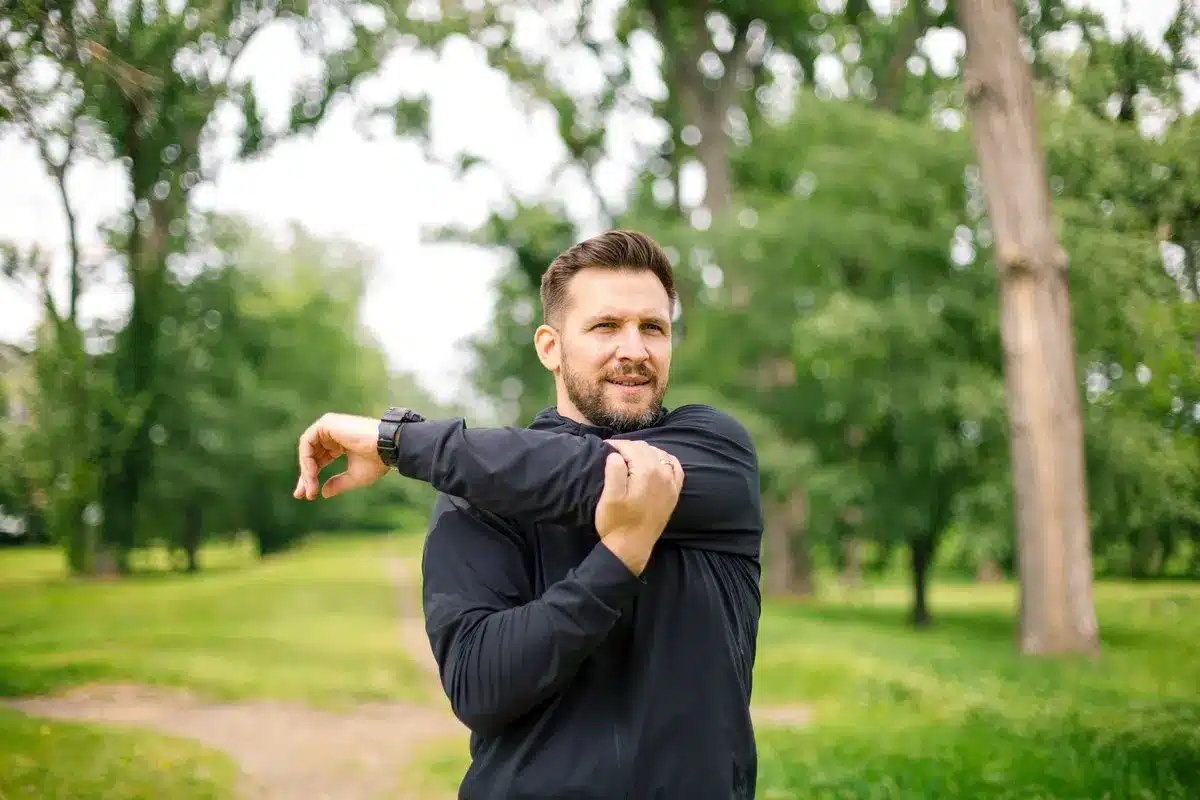
What causes shoulder pain, and how can regenerative medicine help?
Shoulder pain often comes from rotator cuff tendon problems, partial tears, arthritis, bursitis, or an old injury that never fully healed. Our physicians start with an exam and imaging, then discuss non-surgical options such as PRP, bone marrow (stem cell) treatment, or prolotherapy, placed with ultrasound guidance. Results vary.
Shoulder pain is one of the most common types of chronic pain in the United States, with an estimated one in four adults dealing with shoulder pain at some point in their lives. Many of these patients seek pain management from their primary care physician, urgent care, or the emergency room and are left with treatment that does not address the underlying cause of their pain. At the Michigan Center for Regenerative Medicine, conveniently located near Auburn Hills, our board-certified shoulder pain doctors bring minimally invasive and medication-free treatment options for shoulder pain treatment to the table by using regenerative medicine to address the root cause of your pain. If you are looking for alternatives to invasive surgery and powerful medications, the Michigan Center for Regenerative Medicine has several practical, low-risk, and affordable treatment options that may reduce your shoulder pain and improve your mobility.
How Regenerative Medicine Can Help Your Shoulder Pain

Shoulder pain can be caused by various medical conditions and injuries, each with its ideal treatment path. The wide range of conditions that can cause shoulder pain is part of the reason why many shoulder pain patients are unable to find effective pain management from their primary care doctors who don’t specialize in pain management. At The Michigan Center for Regenerative Medicine, our shoulder pain doctors have decades of experience treating shoulder pain patients with regenerative medicine treatments that work with your body to address the root cause of your pain and decreased range of motion. Let’s explore some common causes of shoulder pain and how regenerative medicine can treat these conditions and injuries.
Conditions That Cause Shoulder Pain Treatable By Reputable Shoulder Pain Doctors Near Auburn Hills, MI
There are hundreds of conditions that can cause shoulder pain, which can impact your ability to live life to the fullest. The first step towards building an effective shoulder pain regenerative medicine treatment plan is identifying the condition or injury responsible for your pain levels. At the Michigan Center for Regenerative Medicine, we can treat several causes of shoulder pain through our regenerative medicine treatments. These causes include different types of labral tears of the shoulder.
Labral Tears: Labral tears occur when the labrum, a ring of cartilage that surrounds the shoulder socket, is torn or damaged. There are different types of labral tears, including:
- Superior labrum anterior to posterior tears
- Bankart lesion/ lower labrum tears
- Posterior labral tears
Labral tears often occur from trauma sustained to the shoulder as a result of overuse of the shoulder and from the degeneration and weakening of cartilage that happens naturally as the body ages. Labral tears can be treated effectively with platelet-rich plasma therapy, a regenerative medicine technique that works with the body to speed up the healing process of injuries. With platelet-rich plasma therapy, a patient’s own blood is drawn with the plasma and platelets concentrated before being injected back into the injury location. Platelet-rich plasma therapy is minimally invasive, involves little discomfort, and may help support the healing of labral tears. To learn more about the Michigan Center for Regenerative Medicine’s treatments for additional shoulder pain, contact us today to schedule an appointment. For pricing details, see what PRP therapy costs and what changes the total.
Shoulder Tendinitis Treatment Using Regenerative Medicine

Shoulder tendinitis is one of the most common causes of shoulder pain in Americans. Shoulder tendinitis, which is often actually rotator cuff tendinitis, is thought to affect between 9-25% of grown adults in the US.
Shoulder tendinitis is inflammation of the tendons within the shoulder joint. These tendons play a significant role in stabilizing the shoulder. An unstable shoulder can lead to shoulder pain, loss of range of motion, and limited activity.
Thanks to advances in regenerative medicine, shoulder pain doctors can use PRP (platelet-rich plasma) treatment to help reduce inflammation and heal the tissues that are causing your shoulder or rotator cuff tendinitis.
How Does PRP Treatment for Shoulder Tendinitis Work?
PRP treatment for shoulder tendinitis starts with a simple blood draw. Once this happens, the platelets are separated and reinjected into the shoulder area. This injection is placed using X-ray or ultrasound guidance to ensure the platelets are injected exactly where your shoulder pain doctor wants them to go. This added layer of precision helps to better predict positive outcomes for PRP treatments for shoulder tendinitis.
After the PRP injection, these platelets get to work to help stimulate growth and healing in your shoulder. While you will likely begin to feel better in just a few weeks, it often takes up to 8 weeks to feel the full relief from a PRP treatment.

Conditions
Shoulder Conditions Our Physicians Evaluate
Shoulder pain has many sources. Your exam and imaging determine which treatment fits.
Knee arthritis and old injuries can limit walks and stairs. An exam shows which options fit.
Shoulder symptoms can come from tendons, the joint or nerves, so diagnosis comes first.
Back discomfort does not always start in a disc. Careful evaluation guides the next step.
Hip, elbow and ankle concerns are reviewed with your history, exam and imaging.
Lingering problems after a sports injury or car accident get a full evaluation.
Neuropathy, tendinitis, plantar fasciitis and more. Browse every condition we evaluate.
Patient reviews
What Our Patients Say


In Their Words
We were amazed at how thorough the explanation of the recommended procedure was. I knew just what would happen and what I was agreeing to.
Steve G. Regenerative medicine patient
This doctor is very professional, using layman’s terms and taking his time with my parents to fully explain everything, and in answering all our questions!
Rosanna Windsor, Ontario · Family of a stem cell patient
Dr Nabity answered every question/concerns I had prior to the procedure in detail. If you leave a message for him he always calls you back himself.
Connie H. New Baltimore, MI · Stem cell patient
Excerpts from our patient testimonials.
Individual results vary. Reviews reflect each patient’s own experience.

Your visit
Your Path to Treatment
Most visits follow four simple steps. Our team guides you through each one and answers questions along the way.
1. Consultation
Meet your physician, talk through your symptoms, and review your history and goals.
2. Diagnosis & Imaging
Ultrasound or other imaging helps identify the source of your pain.
3. Treatment
If regenerative treatment fits your shoulder, your physician places it precisely with ultrasound guidance and gives you a rehab plan.
4. Follow-Up
Check-ins track your progress and adjust your plan as needed.
Insurance & cost
Insurance, Self-Pay, and Clear Pricing
We accept many major insurance plans for consultations, testing, and many spine and joint procedures. Regenerative treatments such as PRP and stem cell therapy are usually self-pay, so you get a clear estimate before you decide.
Usually billed to insurance
- Consultations and office visits
- EMG and nerve testing
- Epidural, facet, and SI joint injections
- Nerve blocks, radiofrequency ablation, and nerve stimulators
Usually self-pay
- PRP and stem cell therapy (BMAC)
- Prolotherapy
- PRP hair restoration
- Stem cell banking
Self-pay options include prompt-pay discounts, payment plans, and HSA or FSA funds for eligible expenses.
Plans we accept

-
-
-
-
-
-
-
-
-
-
- PPO Trust


UMR coming soon. Blue Care Network plans require a referral. Coverage varies by plan and service, so call Rochester Hills (248) 216-1008 or Grand Rapids (616) 288-1109 and we will check your benefits.
Why patients choose MCRM
- Board-certified physicians Every procedure is performed by a board-certified physician, not a technician.
- Image-guided precision Ultrasound or fluoroscopic (x-ray) guidance places treatment exactly where it is needed.
- Your own cells, prepared on site Platelets and bone marrow cells are processed in our in-house lab during your visit.
- Results we track We have reported patient outcomes to the DataBiologics registry since 2019.
- Clear, upfront pricing Itemized estimates before treatment, prompt-pay discounts, and payment plans.
- Physicians who teach physicians Our doctors teach orthobiologic courses and helped write national back pain guidelines.
Our physicians
Meet Your Care Team

Thomas Nabity, MD
Board-certified physician

John Santa Ana, DO
Board-certified physician

Robert Farhat, DO
Board-certified physician

Kevin M. Nemeth, MD
Board-certified physician

John Steele, MD
Board-certified physician

Christopher Hannasch, DO
Board-certified physician
Credentials & memberships
Training You Can Look Up
Board certification shows a physician completed specialty training and passed independent exams. Our physicians go further, with added certifications and memberships in orthobiologics, musculoskeletal ultrasound and electrodiagnostic medicine. Each program is run by an independent organization, so you can see exactly what it requires.

PM&R Board Certification
Board certification in physical medicine and rehabilitation, the specialty focused on restoring function.

Pain Medicine Board Certification
Board certification in pain medicine, covering evaluation and treatment of complex pain conditions.

IOF Certification Courses
Advanced knee, hip and spine certification courses in image-guided orthobiologic procedures.

IOF Instructors & Training Hub
Our physicians teach other doctors as IOF instructors, and our Rochester Hills clinic hosts training.

Musculoskeletal Ultrasound
Certified in diagnostic musculoskeletal ultrasound, the imaging used to guide our treatments.

Electrodiagnostic Medicine
Board certification in electrodiagnostic medicine, the specialty behind EMG and nerve testing.

American Academy of PM&R
The national society for physiatrists, physicians focused on restoring movement.

Interventional Pain (ASIPP)
A society that sets education and practice standards for interventional pain medicine.

Orthopaedic Medicine (AAOM)
A physician group focused on non-surgical musculoskeletal care, including prolotherapy.

DataBiologics Registry
We report patient outcomes to a national orthobiologics registry to track results over time.
Patient stories
Hear From Our Patients
Patients describe their own experiences with care at the Michigan Center for Regenerative Medicine. Individual results vary.
Patient Testimonial
Patient Testimonial
FAQ
Shoulder Pain Questions
Answers to common questions from Auburn Hills patients. Your physician can address your specific situation during a consultation.
What causes shoulder pain?
Common causes include rotator cuff tendinopathy and tears, arthritis, bursitis, impingement, and old injuries that never fully healed.
Can PRP help a rotator cuff injury?
PRP may help some patients with rotator cuff tendinopathy or partial tears, especially alongside rehab. Results vary.
Do I need an MRI first?
Not always. Your physician may use an exam, X-rays, or diagnostic ultrasound, and will tell you if an MRI is needed.
Can regenerative treatment help me avoid shoulder surgery?
For some patients it may. A complete tear or an unstable shoulder may still need surgery, and your physician will be honest about which applies.
Are shoulder injections image-guided?
Yes. Our physicians use ultrasound or fluoroscopic guidance to place treatment precisely.
How long is recovery?
Most patients return to light activity soon after treatment, then follow a gradual rehab plan over several weeks.
Does insurance cover regenerative shoulder treatment?
Regenerative treatments are usually self-pay. Some conventional joint injections can be billed to insurance.
Do you treat shoulder pain in Grand Rapids?
Yes. Shoulder care is available at both our Rochester Hills and Grand Rapids offices.
Where are your offices?
Rochester Hills: 355 Barclay Cir, Suite A, (248) 216-1008. Grand Rapids: 1000 E. Paris Ave SE, Suite 221, (616) 288-1109.
How do I schedule a consultation?
Call (248) 216-1008 for Rochester Hills or (616) 288-1109 for Grand Rapids, or use the short form on this page.

Keep learning
Related Regenerative Medicine Articles
Sports Injuries & Active Living · PRP Therapy
From a Torn Meniscus to the Kona Finish Line: Heather’s Ironman Story
After PRP for a torn meniscus, Heather trained for and finished the IRONMAN World Championship in Kona. Here is her comeback story.
Stem Cells & Orthobiologics · Joint & Spine Pain
What Is Stem Cell Therapy and Could You Benefit From It?
Learn what stem cell therapy is, how bone marrow concentrate is used to support healing, which conditions it may help and how to find out if you are a candidate.
Joint & Spine Pain
A Nonsurgical Approach for Painful Joints with Prolotherapy
Prolotherapy is a nonsurgical injection treatment that aims to strengthen ligaments and tendons and relieve chronic joint pain. Learn how it works and who it may help.
Next step
Find Out if Regenerative Shoulder Care Is Right for You
Answer a few short questions and our team will contact you to schedule a consultation.
Share your symptoms and goals in the short form.
Our team contacts you to schedule a consultation.
Meet a board-certified physician in Grand Rapids or Rochester Hills.
★ 4.7 Google ratingBoard-certified physiciansTwo Michigan clinics
Prefer to talk?Rochester Hills (248) 216-1008Grand Rapids (616) 288-1109
Free webinar replay
Watch: Pain Management Treatment Strategies
Watch the replay of our physicians’ webinar on pain management treatment strategies.
Our physicians host free webinars with live Q&A. Watch any past webinar on demand, or call us to ask about the next date.
Our locations
Visit Our Michigan Clinics
Rochester Hills Clinic
355 Barclay Cir, Suite A
Rochester Hills, MI 48307
Monday–Friday, 9:00 am–4:30 pm
Grand Rapids Clinic
1000 E. Paris Ave SE, Suite 221
Grand Rapids, MI 49546
Monday–Friday, 9:00 am–4:30 pm
Areas we serve
Shoulder Pain Care Near You
Patients visit our Rochester Hills and Grand Rapids clinics from across Michigan.

