


Michigan Center for Regenerative Medicine
Physiatrist Near Troy, MI from Board-Certified Doctors
Many people get confused about the difference between a physical therapist and a physiatrist in Michigan.
★ 4.7 Google rating · Board-certified physicians · Rochester Hills & Grand Rapids

What are regenerative orthobiologic treatments?
Regenerative orthobiologic treatments use natural substances, often taken from your own body, to start a healing response in damaged or worn tissue. At the Michigan Center for Regenerative Medicine, they are minimally invasive outpatient procedures. Compared with surgery, they usually mean less downtime and lower cost.
Contact Michigan Center for Regenerative Medicine at (248) 216-1008

Many people get confused about the difference between a physical therapist and a physiatrist in Michigan. They do have some similarities, but also key differences. In a nutshell, both work together in recovery, but their roles vary.
A physiatrist near Troy, MI is a medical doctor (MD or DO) who can:
- Prescribe medications
- Diagnose conditions
- Recommend regenerative medicine treatments
- Order imaging and lab tests
- Create your overall treatment plan
In contrast, a physical therapist:
- Cannot diagnose or prescribe medication
- Follows the treatment plan
- Focuses on guided exercises and rehabilitation
When beginning your pain relief journey, you will likely start with a physiatrist near Troy, MI, who can coordinate additional therapies as needed.
Personalized Treatment Plan Focused on Non-Surgical Pain Relief
You can trust your physiatrist near Troy, MI to first evaluate your condition and then come up with a personalized treatment plan focused on non-surgical pain relief.
Wondering what you should bring with you on the first visit to your physiatrist? For the most accurate diagnosis, bring:
- Summary of your symptoms, prior injuries, and how pain affects your daily life
- Medical records, including past imaging or surgeries
- Complete list of current and past medications (including over-the-counter)
During your visit, you can expect your physiatrist to:
- Review your medical history
- Order imaging or labs if needed
- Perform a physical exam
- Assess strength, flexibility, and range of motion
Next, your physiatrist will develop a customized plan that may include physical therapy, regenerative medicine, medication management, or minimally invasive treatments. The overall goal is to restore function and reduce pain without unnecessary surgery.
Physiatrist Treatments For Chronic Pain

Your physiatrist offers several minimally invasive treatments to help manage chronic pain without surgery. Three of the most common options include epidural steroid injections, nerve blocks, and radiofrequency ablation (RFA). Each is designed to target pain at its source and provide lasting relief when performed by a licensed physiatrist.
- Epidural steroid injections: Commonly used to treat back and spine-related conditions such as sciatica, herniated discs, and spinal stenosis. This treatment involves injecting anti-inflammatory medication around irritated nerves to reduce swelling and alleviate pain.
- Nerve blocks: Use a combination of a local anesthetic and steroid to interrupt pain signals traveling to the brain. Nerve blocks can also identify the exact nerves responsible for a patient’s pain, making them both a diagnostic and therapeutic tool.
- Radiofrequency ablation (RFA): Offers longer-term pain relief. During this outpatient procedure, a physiatrist uses targeted radio waves to disrupt the nerves sending pain signals. The treatment typically takes about 30 minutes; patients can return to normal activities quickly.
Together, these treatments offered by a physiatrist offer safe, effective solutions for managing chronic pain and improving quality of life without the need for invasive surgery.
What Does a Physiatrist Near Troy, MI Do?
Unlike other providers, a physiatrist near Troy, MI focuses on restoring function, reducing pain, and improving quality of life without immediately turning to surgical solutions. A physiatrist is a medical doctor who specializes in Physical Medicine and Rehabilitation (PM&R).
Our physiatrist:
- Is trained in non-surgical and minimally invasive treatments
- Has completed medical school
- Has completed four years of residency training
- Specializes in musculoskeletal and neuromuscular conditions
- Can develop a comprehensive diagnosis and treatment plan tailored specifically to your condition.
With your physiatrist, you will get experienced, patient-focused care designed to relieve musculoskeletal pain and restore function. With decades of combined experience and access to advanced regenerative medicine options, our physiatrist helps patients reduce pain, improve mobility, and avoid unnecessary surgery whenever possible.
Myths & Facts About Seeing a Physiatrist Near Troy, MI
Myth: A physiatrist can’t prescribe medication
Fact: A physiatrist is a fully licensed medical doctor who can prescribe medications and order diagnostic tests as part of your treatment plan.
Myth: Appointments are quick and routine
Fact: Initial visits are comprehensive. Your physiatrist will take the time to fully evaluate your condition and discuss personalized treatment options.
Myth: Physiatrists only treat back pain
Fact: Physiatrists treat a wide range of conditions, including musculoskeletal pain, joint injuries, nerve conditions, sports injuries, arthritis, and chronic pain disorders.
Myth: You always need a referral to make an appointment
Fact: In many cases, you can schedule directly with a physiatrist. If a referral is required, the office can often help coordinate it for you.
Myth: Seeing a physiatrist means you’ll need surgery
Fact: Not so. Physiatrists focus on non-surgical treatments first and aim to relieve pain and improve function without surgery whenever possible.
Who May Benefit
- Pain that has not improved with rest, physical therapy, or medication
- Mild to moderate arthritis
- Chronic tendon or ligament problems
- A goal of delaying or avoiding surgery
Results vary, and orthobiologics are not right for every condition. Your physician will explain which option, if any, fits.

Conditions
Conditions Our Physicians Evaluate
Osteoarthritis, tendon and ligament injuries, rotator cuff problems, and back pain are common reasons patients ask about orthobiologics.
Knee arthritis and old injuries can limit walks and stairs. An exam shows which options fit.
Shoulder symptoms can come from tendons, the joint or nerves, so diagnosis comes first.
Back discomfort does not always start in a disc. Careful evaluation guides the next step.
Hip, elbow and ankle concerns are reviewed with your history, exam and imaging.
Lingering problems after a sports injury or car accident get a full evaluation.
Neuropathy, tendinitis, plantar fasciitis and more. Browse every condition we evaluate.
Patient reviews
What Our Patients Say


In Their Words
We were amazed at how thorough the explanation of the recommended procedure was. I knew just what would happen and what I was agreeing to.
Steve G. Regenerative medicine patient
This doctor is very professional, using layman’s terms and taking his time with my parents to fully explain everything, and in answering all our questions!
Rosanna Windsor, Ontario · Family of a stem cell patient
Dr Nabity answered every question/concerns I had prior to the procedure in detail. If you leave a message for him he always calls you back himself.
Connie H. New Baltimore, MI · Stem cell patient
Excerpts from our patient testimonials.
Individual results vary. Reviews reflect each patient’s own experience.

Your visit
Your Path to Treatment
Most visits follow four simple steps. Our team guides you through each one and answers questions along the way.
1. Consultation
Meet your physician, talk through your symptoms, and review your history and goals.
2. Diagnosis & Imaging
Ultrasound or other imaging helps identify the source of your pain.
3. Treatment
If a regenerative option fits your condition, your physician provides image-guided treatment in our clinic.
4. Follow-Up
Check-ins track your progress and adjust your plan as needed.
Insurance & cost
Insurance, Self-Pay, and Clear Pricing
We accept many major insurance plans for consultations, testing, and many spine and joint procedures. Regenerative treatments such as PRP and stem cell therapy are usually self-pay, so you get a clear estimate before you decide.
Usually billed to insurance
- Consultations and office visits
- EMG and nerve testing
- Epidural, facet, and SI joint injections
- Nerve blocks, radiofrequency ablation, and nerve stimulators
Usually self-pay
- PRP and stem cell therapy (BMAC)
- Prolotherapy
- PRP hair restoration
- Stem cell banking
Self-pay options include prompt-pay discounts, payment plans, and HSA or FSA funds for eligible expenses.
Plans we accept

- PPO Trust






UMR coming soon. Blue Care Network plans require a referral. Coverage varies by plan and service, so call Rochester Hills (248) 216-1008 or Grand Rapids (616) 288-1109 and we will check your benefits.
Why patients choose MCRM
- Board-certified physicians Every procedure is performed by a board-certified physician, not a technician.
- Image-guided precision Ultrasound or fluoroscopic (x-ray) guidance places treatment exactly where it is needed.
- Your own cells, prepared on site Platelets and bone marrow cells are processed in our in-house lab during your visit.
- Results we track We have reported patient outcomes to the DataBiologics registry since 2019.
- Clear, upfront pricing Itemized estimates before treatment, prompt-pay discounts, and payment plans.
- Physicians who teach physicians Our doctors teach orthobiologic courses and helped write national back pain guidelines.
Our physicians
Meet Your Care Team

Thomas Nabity, MD
Board-certified physician

John Santa Ana, DO
Board-certified physician
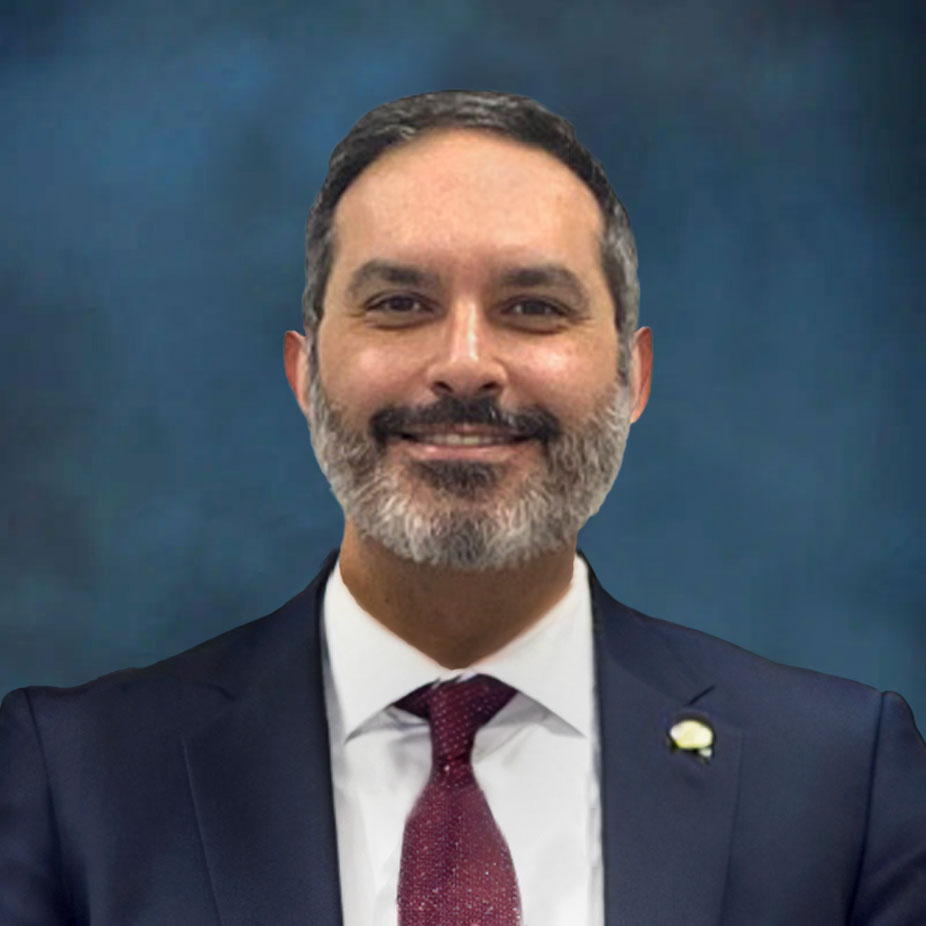
Robert Farhat, DO
Board-certified physician
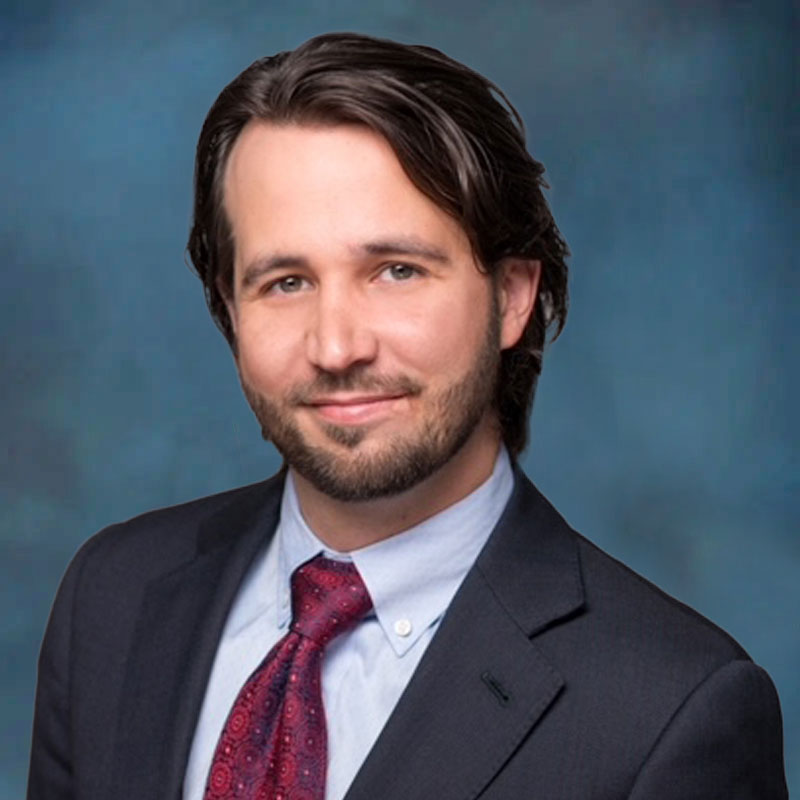
Kevin M. Nemeth, MD
Board-certified physician

John Steele, MD
Board-certified physician
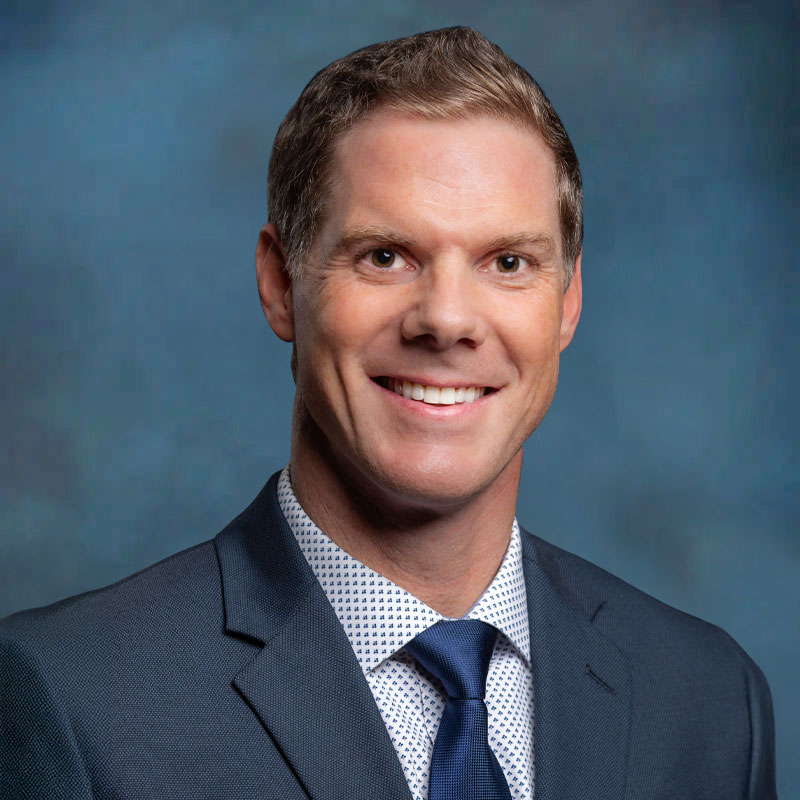
Christopher Hannasch, DO
Board-certified physician
Credentials & memberships
Training You Can Look Up
Board certification shows a physician completed specialty training and passed independent exams. Our physicians go further, with added certifications and memberships in orthobiologics, musculoskeletal ultrasound and electrodiagnostic medicine. Each program is run by an independent organization, so you can see exactly what it requires.
PM&R Board Certification
Board certification in physical medicine and rehabilitation, the specialty focused on restoring function.
Pain Medicine Board Certification
Board certification in pain medicine, covering evaluation and treatment of complex pain conditions.

IOF Certification Courses
Advanced knee, hip and spine certification courses in image-guided orthobiologic procedures.
IOF Instructors & Training Hub
Our physicians teach other doctors as IOF instructors, and our Rochester Hills clinic hosts training.
Musculoskeletal Ultrasound
Certified in diagnostic musculoskeletal ultrasound, the imaging used to guide our treatments.
Electrodiagnostic Medicine
Board certification in electrodiagnostic medicine, the specialty behind EMG and nerve testing.

American Academy of PM&R
The national society for physiatrists, physicians focused on restoring movement.
Interventional Pain (ASIPP)
A society that sets education and practice standards for interventional pain medicine.
Orthopaedic Medicine (AAOM)
A physician group focused on non-surgical musculoskeletal care, including prolotherapy.

DataBiologics Registry
We report patient outcomes to a national orthobiologics registry to track results over time.
Patient stories
Hear From Our Patients
Patients describe their own experiences with care at the Michigan Center for Regenerative Medicine. Individual results vary.
Patient Testimonial
Patient Testimonial
FAQ
Regenerative Medicine Questions
Answers to common questions from Troy patients. Your physician can address your specific situation during a consultation.
What does orthobiologics mean?
“Ortho” refers to the musculoskeletal system and “biologics” to materials from living sources, such as your own platelets or cells.
What is in a prolotherapy injection?
A natural sugar (dextrose) solution with a mild anesthetic.
Is regenerative medicine the same as stem cell therapy?
Stem cell therapy is one type of regenerative medicine. PRP and prolotherapy are others. Your physician will explain which fits your condition.
Which conditions are evaluated?
Common examples include osteoarthritis, tendon and ligament injuries, rotator cuff problems, bursitis, plantar fasciitis, and some back and neck conditions.
Are treatments done with imaging?
Yes. Our physicians use ultrasound or fluoroscopic (x-ray) guidance to place treatments precisely.
Is there downtime?
These are outpatient procedures. Most patients return to light daily activity soon after, and your physician will give you a plan for exercise and follow-up.
Will I need more than one treatment?
It depends on your diagnosis and how you respond. Some conditions are treated once, while others need a series.
Is regenerative medicine covered by insurance?
Coverage is often limited because many regenerative treatments are considered elective. Our team will give you cost information before you decide.
Where are your clinics?
We have a clinic at 355 Barclay Circle, Suite A, Rochester Hills, MI 48307, (248) 216-1008, and an office at 1000 E. Paris Ave SE, Suite 221, Grand Rapids, MI 49546, (616) 288-1109.
How do I schedule a consultation?
Call (248) 216-1008 or use the short form on this page to request your free consultation.

Keep learning
Related Regenerative Medicine Articles
News & Events · PRP Therapy
Pre-eminent Journal Publishes Findings in PRP for Knee Osteoarthritis
What did the PM&R Journal find about PRP for knee arthritis? The PM&R Journal reported two main factors linked to better results …
Joint & Spine Pain
SI Joint Pain After Pregnancy: Why It Lingers and What Actually Helps
Why does SI joint pain linger after pregnancy? During pregnancy, the hormone relaxin loosens pelvic ligaments, which can make the SI joint …
Stem Cells & Orthobiologics
The Role Exosomes Play in Regenerative Medicine
What role do exosomes play in regenerative medicine? Exosomes are tiny cellular messengers packed with growth factors, RNA and proteins that help …
Next step
Find Out if Regenerative Medicine Is Right for You
Answer a few short questions and our team will contact you to schedule a consultation.
Share your symptoms and goals in the short form.
Our team contacts you to schedule a consultation.
Meet a board-certified physician in Grand Rapids or Rochester Hills.
★ 4.7 Google ratingBoard-certified physiciansTwo Michigan clinics
Prefer to talk?Rochester Hills (248) 216-1008Grand Rapids (616) 288-1109
Free webinar replay
Watch: Regenerative Medicine for Arthritis and Injury Repair
Watch the replay of our physicians’ webinar on regenerative options for arthritis and injuries.
Our physicians host free webinars with live Q&A. Watch any past webinar on demand, or call us to ask about the next date.
Our locations
Visit Our Michigan Clinics
Rochester Hills Clinic
355 Barclay Cir, Suite A
Rochester Hills, MI 48307
Monday–Friday, 9:00 am–4:30 pm
Grand Rapids Clinic
1000 E. Paris Ave SE, Suite 221
Grand Rapids, MI 49546
Monday–Friday, 9:00 am–4:30 pm
Areas we serve
Orthobiologic Care in Michigan
Patients visit our Rochester Hills and Grand Rapids clinics from across Michigan.