


Michigan Center for Regenerative Medicine
Knee Pain Doctor In Rochester, MI from Board-Certified Doctors
When you suffer from knee pain, it can be one of the most debilitating and uncomfortable experiences imaginable.
★ 4.7 Google rating · Board-certified physicians · Rochester Hills & Grand Rapids

What are the treatment options for knee pain in Michigan?
Depending on your evaluation, options may include platelet-rich plasma (PRP) therapy, bone marrow-derived cell therapy, and hyaluronic acid injections. These minimally invasive treatments aim to address the source of knee pain and may help some patients put off surgery or reduce reliance on medication.
When you suffer from knee pain, it can be one of the most debilitating and uncomfortable experiences imaginable. If you or a loved one suffers from chronic pain and struggle to go about life’s daily activities due to your knees, then it may be time to contact a regenerative medicine center that will help relieve your discomfort.
The Michigan Center for Regenerative Medicine is here to help, and we are happy to accept patients in Rochester and the surrounding areas of Michigan. Avoid needless surgery and harmful medications by working with our team of Board-Certified physicians and finding relief for your knee pain today!
What The Knee Pain Doctors At The Michigan Center For Regenerative Medicine Can Do For You

Here at the Michigan Center for Regenerative Medicine, we use current developments in medicine to help you explore alternatives to surgery and prescription medications. Some orthopedic surgeries, especially those in the case of knee pain, may be unnecessary and can be avoided. Moreover, most medications are inefficient and often develop into cycles of dependence, forcing patients to rely on constant injections or pills. Here at the Michigan Center for Regenerative Medicine, we instead believe in a whole health approach and use of technologies that heal the body and address the underlying conditions rather than just fighting the symptoms of knee pain.
You don’t have to be defined by your knee pain; through our modern treatments, you can take back your life. Some of the most popular treatments we feature at the Michigan Center for Regenerative Medicine include the following:
- Stem Cell Therapy: Stem cells are the baseline cells that grow and change into specialized cells within your body. Stem Cell therapies use your own cells, which can be cultivated, to create specialized injections that stimulate growth and natural regeneration in your body.
- Platelet Rich Plasma (PRP) Treatments: PRP treatments treat musculoskeletal conditions and heal damaged tissues. They differ from stem cell therapies as they can be administered in as little as thirty minutes and require nothing more than a simple blood draw and injection, bolstering the healing capabilities of your blood by providing extra platelets for healing.
- Prolotherapy: Unlike the other treatments mentioned, prolotherapy doesn’t require any cells from your body. Instead, a natural irritant, like a saline injection, is injected into pain sites, inspiring your body to respond naturally and funnel healing cells to a specific location on your body
Many more treatment paths can help you with your knee pain, and you can learn more about them by contacting us today or checking out our services online. Whether an injury causes your knee pain, a degenerative condition like arthritis, or another underlying cause, treatment is available at the Michigan Center for Regenerative Medicine. Your knees are a pair of the most critical joints in the body, and the loss or deterioration of the cushioning around the meniscus can result in long-term injury and permanent disability. Don’t wait to get your knee pain treated. The longer it takes to seek treatment from a knee pain doctor, the worse it can get. However, you are already on the first step in your recovery journey when you explore all the options available at the Michigan Center for Regenerative Medicine.
Who May Be a Candidate for Non-Surgical Knee Treatment?
Many people explore regenerative options because they want to stay active, delay or avoid surgery when it is not necessary, or reduce their reliance on medication. You may be a good fit for an evaluation if you have:
- Knee osteoarthritis that limits walking, stairs, or exercise
- A meniscus tear or ligament sprain that has not settled with rest and therapy
- Tendon pain around the kneecap from overuse
- Lingering knee pain after a sports injury or car accident
- A recommendation for knee surgery and want to understand your options first
Not every patient is a candidate, and surgery remains the right choice for some structural problems. Your physician will review your history, exam, and imaging before recommending any treatment.

Conditions
Conditions Our Physicians Evaluate
Knee pain can come from cartilage, the meniscus, ligaments, or tendons. Your evaluation determines which option, if any, fits.
Worn cartilage can make walks and stairs harder. An exam and imaging show which options fit.
Twisting injuries and age-related wear can tear the knee’s cushion. Diagnosis guides the plan.
Sprains and partial tears affect stability. Your physician reviews the exam and imaging.
Jumper’s knee and tendon irritation often follow overuse. Treatment depends on the tissue involved.
Pain behind the kneecap can come from cartilage changes or alignment. Evaluation comes first.
If surgery has been suggested, learn which non-surgical options may be worth discussing.
Patient reviews
What Our Patients Say


In Their Words
We were amazed at how thorough the explanation of the recommended procedure was. I knew just what would happen and what I was agreeing to.
Steve G. Regenerative medicine patient
This doctor is very professional, using layman’s terms and taking his time with my parents to fully explain everything, and in answering all our questions!
Rosanna Windsor, Ontario · Family of a stem cell patient
Dr Nabity answered every question/concerns I had prior to the procedure in detail. If you leave a message for him he always calls you back himself.
Connie H. New Baltimore, MI · Stem cell patient
Excerpts from our patient testimonials.
Individual results vary. Reviews reflect each patient’s own experience.

Your visit
Your Path to Treatment
Most visits follow four simple steps. Our team guides you through each one and answers questions along the way.
1. Consultation
Meet your physician, talk through your symptoms, and review your history and goals.
2. Diagnosis & Imaging
Ultrasound or other imaging helps identify the source of your pain.
3. Treatment
If a regenerative option fits your knee, your physician provides image-guided treatment in our clinic.
4. Follow-Up
Check-ins track your progress and adjust your plan as needed.
Insurance & cost
Insurance, Self-Pay, and Clear Pricing
We accept many major insurance plans for consultations, testing, and many spine and joint procedures. Regenerative treatments such as PRP and stem cell therapy are usually self-pay, so you get a clear estimate before you decide.
Usually billed to insurance
- Consultations and office visits
- EMG and nerve testing
- Epidural, facet, and SI joint injections
- Nerve blocks, radiofrequency ablation, and nerve stimulators
Usually self-pay
- PRP and stem cell therapy (BMAC)
- Prolotherapy
- PRP hair restoration
- Stem cell banking
Self-pay options include prompt-pay discounts, payment plans, and HSA or FSA funds for eligible expenses.
Plans we accept

- PPO Trust











UMR coming soon. Blue Care Network plans require a referral. Coverage varies by plan and service, so call Rochester Hills (248) 216-1008 or Grand Rapids (616) 288-1109 and we will check your benefits.
Why patients choose MCRM
- Board-certified physicians Every procedure is performed by a board-certified physician, not a technician.
- Image-guided precision Ultrasound or fluoroscopic (x-ray) guidance places treatment exactly where it is needed.
- Your own cells, prepared on site Platelets and bone marrow cells are processed in our in-house lab during your visit.
- Results we track We have reported patient outcomes to the DataBiologics registry since 2019.
- Clear, upfront pricing Itemized estimates before treatment, prompt-pay discounts, and payment plans.
- Physicians who teach physicians Our doctors teach orthobiologic courses and helped write national back pain guidelines.
Our physicians
Meet Your Care Team

Thomas Nabity, MD
Board-certified physician

John Santa Ana, DO
Board-certified physician
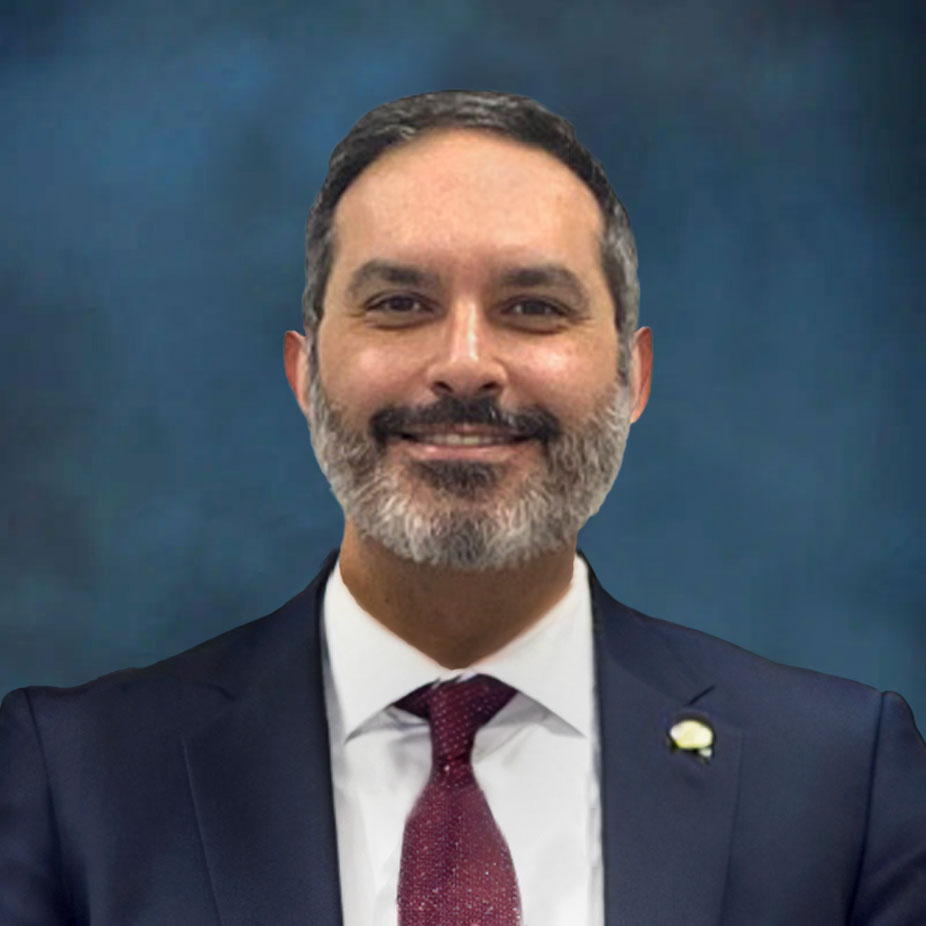
Robert Farhat, DO
Board-certified physician
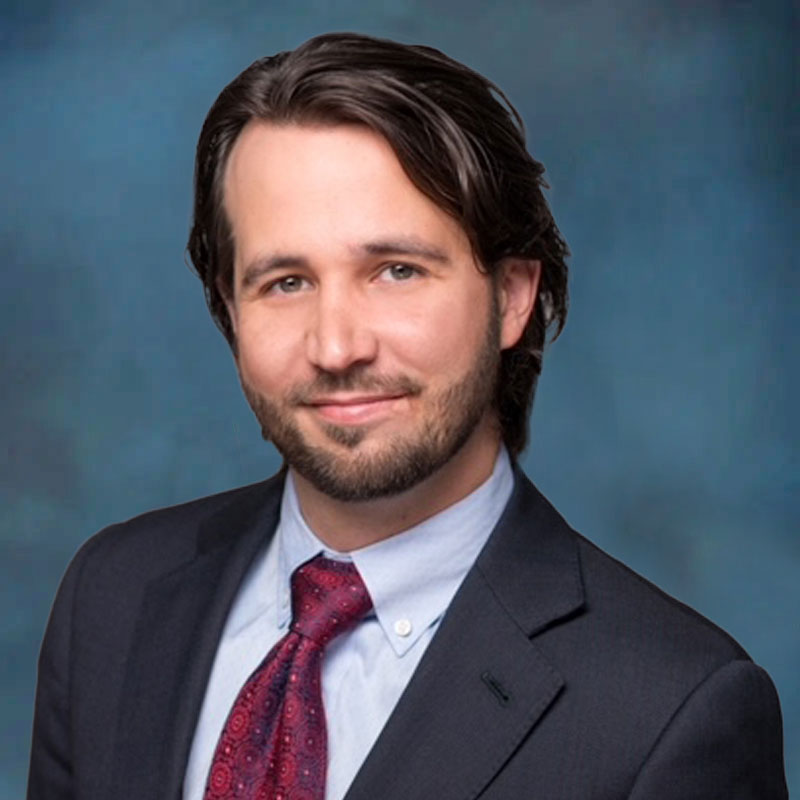
Kevin M. Nemeth, MD
Board-certified physician

John Steele, MD
Board-certified physician
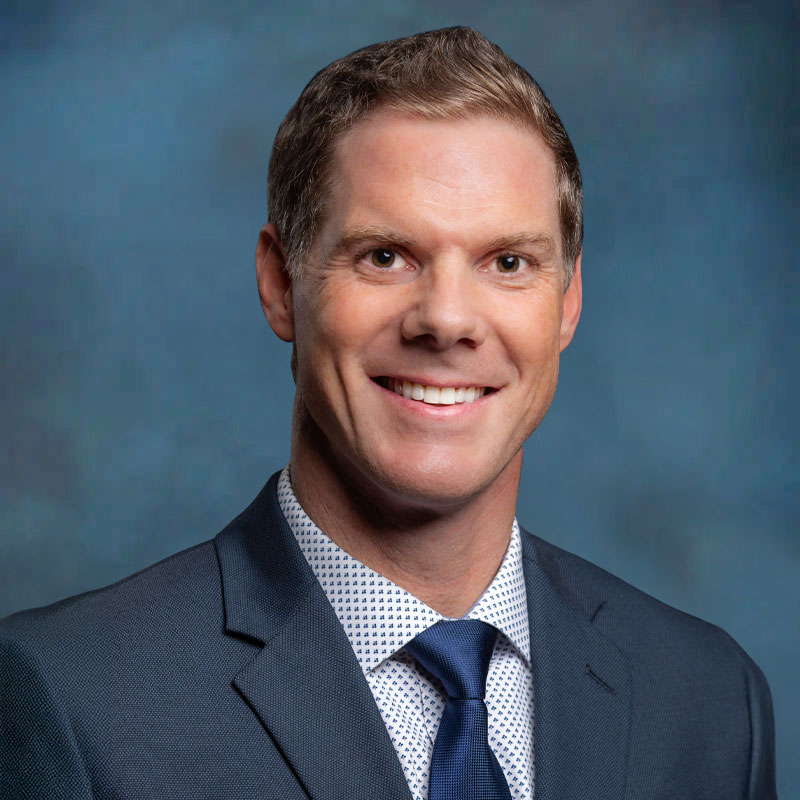
Christopher Hannasch, DO
Board-certified physician
Credentials & memberships
Training You Can Look Up
Board certification shows a physician completed specialty training and passed independent exams. Our physicians go further, with added certifications and memberships in orthobiologics, musculoskeletal ultrasound and electrodiagnostic medicine. Each program is run by an independent organization, so you can see exactly what it requires.

PM&R Board Certification
Board certification in physical medicine and rehabilitation, the specialty focused on restoring function.
Pain Medicine Board Certification
Board certification in pain medicine, covering evaluation and treatment of complex pain conditions.

IOF Certification Courses
Advanced knee, hip and spine certification courses in image-guided orthobiologic procedures.

IOF Instructors & Training Hub
Our physicians teach other doctors as IOF instructors, and our Rochester Hills clinic hosts training.
Musculoskeletal Ultrasound
Certified in diagnostic musculoskeletal ultrasound, the imaging used to guide our treatments.

Electrodiagnostic Medicine
Board certification in electrodiagnostic medicine, the specialty behind EMG and nerve testing.

American Academy of PM&R
The national society for physiatrists, physicians focused on restoring movement.

Interventional Pain (ASIPP)
A society that sets education and practice standards for interventional pain medicine.

Orthopaedic Medicine (AAOM)
A physician group focused on non-surgical musculoskeletal care, including prolotherapy.

DataBiologics Registry
We report patient outcomes to a national orthobiologics registry to track results over time.
Patient stories
Hear From Our Patients
Patients describe their own experiences with care at the Michigan Center for Regenerative Medicine. Individual results vary.
Patient Testimonial
Patient Testimonial
FAQ
Knee Pain Treatment Questions
Answers to common questions from Rochester patients. Your physician can address your specific situation during a consultation.
What are the treatment options for knee pain?
Depending on your evaluation, options may include platelet-rich plasma (PRP) therapy, bone marrow-derived cell therapy, hyaluronic acid injections, and conservative care such as physical therapy and bracing.
How does PRP therapy work for the knee?
A small sample of your blood is spun in a centrifuge to concentrate platelets. The prepared PRP is injected into the knee under imaging guidance, where it may support the body’s natural healing response.
What is bone marrow-derived cell therapy?
Cells are collected from your own bone marrow with established techniques, concentrated, and placed into the knee under imaging guidance. Research on these therapies is ongoing.
How do hyaluronic acid injections help?
Hyaluronic acid lubricates and cushions joints. Injections may ease symptoms for some patients with knee osteoarthritis.
Can these treatments help me avoid knee surgery?
Some patients choose non-surgical care first, and it may help delay or avoid surgery in selected cases. Surgery remains the right choice for some structural problems, and your physician will tell you if that applies.
Which knee conditions do you evaluate?
We evaluate osteoarthritis, meniscus tears, ligament injuries, tendon pain around the kneecap, cartilage wear, and pain after sports injuries or car accidents.
How many PRP treatments will I need?
It depends on your condition. Our in-house lab can prepare a concentrated PRP sample, and your physician will explain how many sessions are recommended for your knee.
Is there downtime after treatment?
These are outpatient procedures. Most patients return to light activity soon after, with a gradual plan for exercise. Your physician will give you specific aftercare instructions.
Is knee treatment covered by insurance?
Coverage varies by plan and treatment. Some services may require self-payment. Our team can review costs and options before treatment.
Where are your knee pain clinics?
We have clinics in Rochester Hills, (248) 216-1008, and Grand Rapids, (616) 288-1109. Patients visit from across Michigan.

Keep learning
Related Knee Pain Articles
PRP Therapy · Joint & Spine Pain
How Platelet-Rich Plasma Injections May Help Knee Pain and Arthritis
Learn how platelet-rich plasma (PRP) injections may help relieve knee pain and arthritis without surgery, what treatment involves and who may be a good candidate.
News & Events · PRP Therapy
Pre-eminent Journal Publishes Findings in PRP for Knee Osteoarthritis
What did the PM&R Journal find about PRP for knee arthritis? The PM&R Journal reported two main factors linked to better results …
Joint & Spine Pain
What to Try Before Knee Replacement Surgery: A Regenerative Medicine Physician’s Guide
What can I try before knee replacement surgery? Before knee replacement, a full evaluation with imaging such as X-rays or MRI helps …
Next step
Find Out if Knee Treatment Is Right for You
Answer a few short questions and our team will contact you to schedule a consultation.
Share your symptoms and goals in the short form.
Our team contacts you to schedule a consultation.
Meet a board-certified physician in Grand Rapids or Rochester Hills.
★ 4.7 Google ratingBoard-certified physiciansTwo Michigan clinics
Prefer to talk?Rochester Hills (248) 216-1008Grand Rapids (616) 288-1109
Free webinar replay
Watch: Latest Advancements in Non-Surgical Treatments for Knee Pain
Watch the replay of our physicians’ webinar on non-surgical knee pain treatment.
Our physicians host free webinars with live Q&A. Watch any past webinar on demand, or call us to ask about the next date.
Our locations
Visit Our Michigan Clinics
Rochester Hills Clinic
355 Barclay Cir, Suite A
Rochester Hills, MI 48307
Monday–Friday, 9:00 am–4:30 pm
Grand Rapids Clinic
1000 E. Paris Ave SE, Suite 221
Grand Rapids, MI 49546
Monday–Friday, 9:00 am–4:30 pm
Areas we serve
Knee Pain Treatment Near You
Patients visit our Rochester Hills and Grand Rapids clinics from across Michigan.