




PRP Injections Near Berkley MI
Platelet-Rich Plasma (PRP) Therapy Near Berkley, MI
An Educational Guide from Michigan Center for Regenerative Medicine
Chronic pain, lingering inflammation, and sports-related injuries can make everyday activities more difficult and may affect overall quality of life. When symptoms persist despite rest or conservative care, many patients begin exploring additional treatment options with their healthcare provider. At Michigan Center for Regenerative Medicine, our physicians focus on responsible, evidence-informed care and offer platelet-rich plasma (PRP) therapy as one of several treatment pathways that may be considered after a comprehensive medical evaluation.
If you live near Berkley, Michigan and are researching nonsurgical approaches for musculoskeletal concerns, our team is available to help you better understand whether a consultation may be appropriate. Contact our office at (248) 216-1008 to learn more.
What Is Platelet-Rich Plasma (PRP)?
Platelet-rich plasma is a biologic therapy that uses components derived from a patient’s own blood. Platelets contain proteins and growth factors that researchers continue to study for their potential role in supporting the body’s natural healing response.
The procedure typically begins with a small blood draw performed in a clinical setting. The sample is then processed in a centrifuge to concentrate the platelets before being carefully injected into a targeted area when medically appropriate. Imaging guidance may be used in some cases to support placement accuracy.
Although PRP is widely discussed in orthopedic and sports medicine settings, it is important for patients to understand that responses vary. No medical treatment can guarantee a specific outcome, and PRP is not suitable for every condition or individual.
Ask About Alternatives to Surgery for Your Chronic Pain
Contact the Michigan Center for Regenerative Medicine Today and Schedule Your Office Visit
What to Expect During and After the Procedure
PRP injections are generally considered minimally invasive because they do not involve large incisions or general anesthesia. Patients may experience temporary soreness, swelling, or mild discomfort at the injection site. These effects are usually short-lived, but your physician will provide personalized aftercare instructions based on your health profile.
Recovery timelines differ depending on the area treated, the severity of the condition, and how the body responds. Some patients resume light activity relatively quickly, while others may be advised to modify movement for a period of time. Following medical guidance is essential for supporting the recovery process.
Conditions Commonly Evaluated for PRP
A physician must determine whether PRP is appropriate based on diagnostic findings, medical history, and prior treatments. PRP is often discussed in connection with musculoskeletal concerns such as:
Tendon and Muscle Injuries
Overuse injuries and soft tissue strain can occur in both athletes and non-athletes. PRP may be considered as part of a broader care plan that often includes physical therapy and structured rehabilitation.
Tendonitis
Inflammation or irritation of a tendon can limit mobility and cause persistent discomfort. Early evaluation may help guide appropriate management strategies.
Joint-Related Discomfort
Some patients with mild to moderate joint symptoms ask about PRP while exploring nonsurgical options. Treatment recommendations should always be individualized.
Sports Injuries
Athletes frequently seek medical guidance to support safe return-to-activity timelines. A comprehensive treatment plan typically addresses strength, flexibility, and injury prevention.
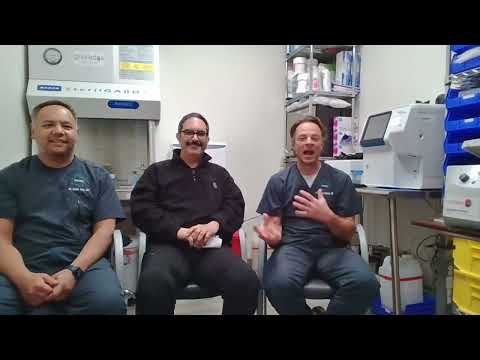
Beyond orthopedic care, PRP has also been studied in areas such as dermatology and hair restoration. These applications involve different protocols and should always be discussed with a qualified healthcare professional.
How PRP Is Thought to Work
Researchers believe platelets contribute to signaling processes involved in tissue repair. When concentrated platelets are introduced into targeted tissue, they may support the body’s natural response to injury. However, scientific understanding continues to evolve, and outcomes are influenced by many variables including age, overall health, and the nature of the condition being treated.
Patients are encouraged to approach regenerative therapies with balanced expectations and to rely on professional medical advice rather than anecdotal reports.
The Importance of a Personalized Evaluation
Not every patient experiencing pain requires an injection-based therapy. Many individuals improve through conservative care such as physical therapy, guided exercise programs, ergonomic adjustments, or medication management. Others may benefit from additional diagnostic testing before determining the most appropriate path forward.
During your consultation at Michigan Center for Regenerative Medicine, our physicians review:
- Medical history
- Symptom duration and severity
- Prior treatments
- Imaging results when available
- Activity level and lifestyle factors
This comprehensive approach helps ensure recommendations align with your specific health needs.

Regenerative Medicine Specialist
Thomas Nabity, MD
Dr. Thomas Nabity founded the Michigan Center For Regenerative Medicine in 2017 with the vision to provide best in class regenerative medicine options for patients suffering from painful orthopedic conditions. He helps people in chronic pain who are looking to alternatives to medications and surgery, and who want natural solutions to pain relief in order to regain the ability to do the things they love to do. Dr. Nabity has a passion for evaluating and incorporating the latest technologies with a constant focus on optimizing his patient’s outcomes. Through proper patient selection, utilizing advanced injection techniques, and incorporating the latest laboratory technologies in creating PRP and stem cell injectates, the Michigan Center for Regenerative Medicine has achieved some of the highest outcomes of any clinic in the country. (Read Full Bio)

Regenerative Medicine Specialist
John Santa Ana, DO
Dr. Santa Ana is Board Certified in PM&R and Electrodiagnostic medicine. He is a physician specializing in Interventional Sports, Joints, and Spine treatments. Dr. John received his medical degree at the New York College of Osteopathic Medicine and his specialty training in PM&R at The Walter Reed Army Medical Center, Washington DC. He is a Veteran and was a physician in the US Army, treating our Nation’s heroes’ musculoskeletal conditions and getting them back in the fight. Dr. John is also experienced in EMG Testing with over 10 years of Electromyography (Read Dr. John’s Full Bio)
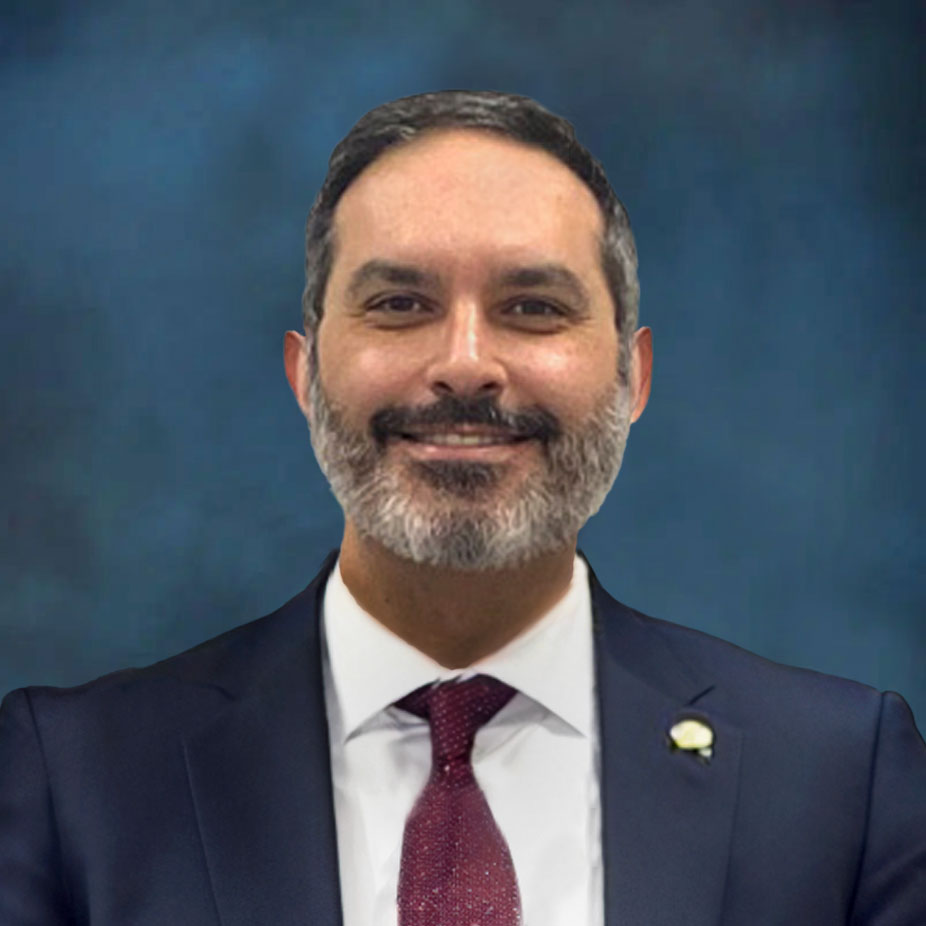
Regenerative Medicine Specialist
Robert Farhat, DO
Dr. Farhat is board certified in Physical Medicine and Rehabilitation, and Pain Medicine. Dr. Farhat has integrated Regenerative Medicine into the treatment of musculoskeletal conditions for the past several years, but has now joined Michigan Center for Regenerative Medicine in order to provide a comprehensive approach to non-surgical musculoskeletal conditions. He is considered an expert in non-surgical spine care, but treats all musculoskeletal conditions. (Read Dr. Robert’s Full Bio)
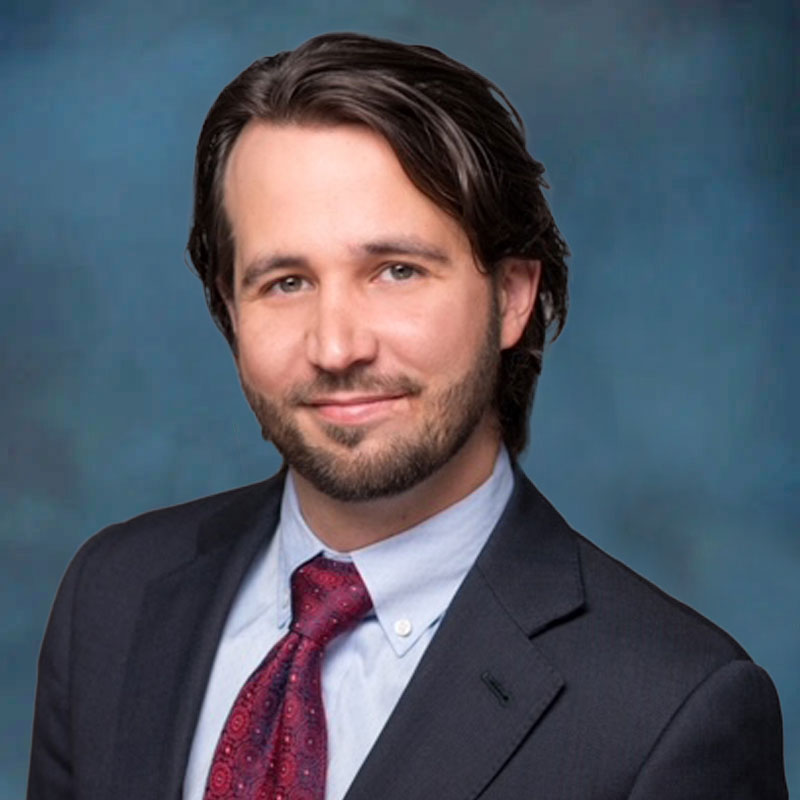
Regenerative Medicine Specialist
Kevin M. Nemeth, MD
Dr. Nemeth is a Columbia University-trained Interventional Pain Management Specialist. He is Double Board Certified in Anesthesiology and Interventional Pain Medicine. Dr. Nemeth believes in a comprehensive approach to patient care that optimizes both higher quality and longevity of life rather than simply masking symptoms. He is passionate about the burgeoning field of interventional orthobiologics and specializes in the most advanced, evidence-based therapies, such as Platelet-Rich Plasma (PRP) and Bone Marrow Aspirate Concentrate procedures (Read Full Bio)

Regenerative Medicine Specialist
John Steele, MD
Dr. Steele was raised in a military family, but calls Orlando, Florida, his home. He graduated from the Citadel in 1986 with a degree in Electrical Engineering. After watching Top Gun, he attended Air Force flight training in Lubbock, Texas, and served for 5 years. After the first Gulf War, he left the military to prepare for medical school. He graduated from the F. Edward Hebert School of Medicine in 1998 and spent a year in South Korea working in the Emergency Room. He then completed a residency in neurological surgery at the Detroit Medical Center and entered military practice. After leaving the military, he completed a fellowship in Neurovascular and skull-based surgery in Indianapolis before establishing a practice in southeast Michigan in 2020. He joined the Michigan Center of Regenerative Medicine in 2025, focusing on regenerative and aerospace medicine while continuing to perform neurosurgery.
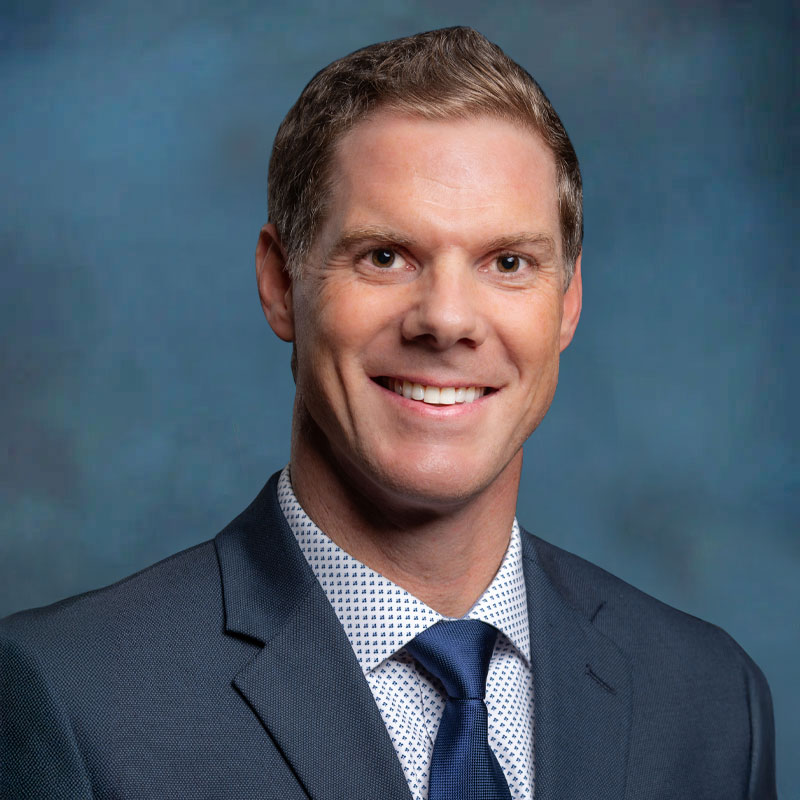
Regenerative Medicine Specialist
Christopher Hannasch, DO
Dr. Hannasch is board-certified in Neuromusculoskeletal Medicine and Osteopathic Manipulative Medicine. He is fellowship trained in Interventional Spine and Regenerative Medicine. Prior to joining Michigan Center for Regenerative Medicine, Dr. Hannasch was the Clinical Director of the Michigan State University Osteopathic Manipulative Medicine Clinic, the largest of its kind in the nation. He was also an Assistant Professor, Clinical and Classroom teaching faculty at the MSU College of Osteopathic Medicine, as well as a Preceptor for the Osteopathic Neuromusculoskeletal Medicine residency program. Dr. Hannasch uses a comprehensive approach to treating patients, looking at all aspects of their lives. He believes that the body’s structure and function are interrelated, and focuses on functionality, quality of life, and optimizing patients’ overall health rather than just focusing on their pain. (Read Full Bio)
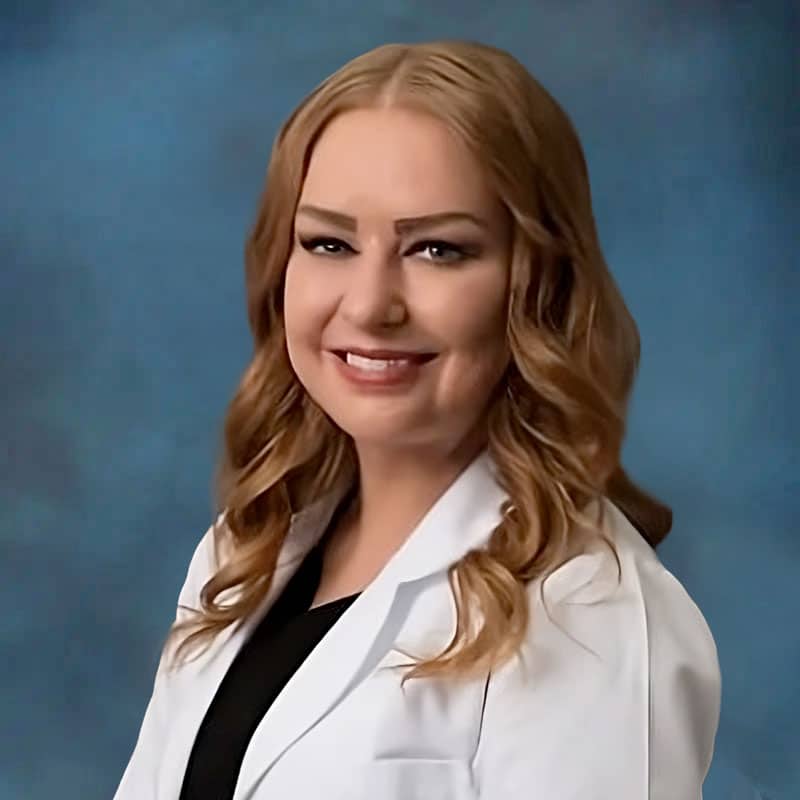
Ashley Loane, MSN, ARNP, FNP-C
Ashley Loane is a board-certified Nurse Practitioner at MCFRM with a passion for regenerative medicine. She is highly regarded for her expertise in musculoskeletal pain treatments, aesthetics and hair restoration, pelvic floor and sexual health for women, erectile dysfunction for men, weight loss, and overall wellness optimization through hormone replacement, peptides, and IV therapies.
A Responsible Approach to Regenerative Medicine
PRP is one component of a rapidly developing field, and ongoing research continues to clarify where these therapies may be most beneficial. Our clinic prioritizes ethical medical practices, patient safety, and transparent communication so individuals can make confident healthcare decisions.
We encourage patients to ask questions, discuss goals openly, and fully understand both the potential advantages and limitations of any recommended treatment.
Schedule a Consultation Near Berkley, MI
If persistent pain or injury is interfering with your daily routine, seeking professional medical guidance can be an important step toward clarity and relief.
Call Michigan Center for Regenerative Medicine at (248) 216-1008 to schedule a consultation. Our team is committed to helping you explore appropriate treatment options with professionalism, compassion, and a focus on long-term musculoskeletal health.


Take Advantage of New Advancements in Regenerative Medicine Provided by Board-certified Doctors
Contact Michigan Center for Regenerative Medicine Today and Discover If You are a Candidate. Home Office and Medical Center located at 355 Barclay Cir Suite A Rochester Hills, MI 48307
- PRP Injections Bloomfield Hills MI
- PRP Injections Birmingham MI
- PRP Injections West Bloomfield MI
- PRP Injections Novi MI
- PRP Injections Northville MI
- PRP Injections Detroit MI
- PRP Injections Metro Detroit
- PRP Injections Rochester Hills MI
- PRP Injections Troy MI
- PRP Injections Near You
- PRP Injections Near Macomb MI
- PRP Injections Near Rochester MI
- PRP Injections Near Royal Oak MI