


Michigan Center for Regenerative Medicine
EMG Testing Near Royal Oak, MI Find the source of numbness, weakness, and nerve pain
When symptoms of nerve-related issues interfere with your daily life, traditional medical imaging diagnostic tests may not be enough on their own.
★ 4.7 Google rating · Board-certified physicians · Rochester Hills & Grand Rapids

What is EMG testing and why is it used?
EMG, or electromyography, measures how your nerves and muscles respond and work together, unlike X-rays that show anatomy. At the Michigan Center for Regenerative Medicine, board-certified physicians use EMG results to find nerve irritation, compression, or damage, tell whether symptoms start in the spine or peripheral nerves, and guide treatment choices.
At the Michigan Center for Regenerative Medicine, our team of local Royal Oak board-certified pain management doctors and regenerative medicine specialists uses EMG testing to give you the answers and treatment options you are looking for.
If you’ve never heard of EMG testing in Michigan before and are interested in learning more about the process and the benefits of this powerful diagnostic tool, you’re in the right place. Let’s take a closer look at EMG testing and how it can help you get pain relief faster with an accurate diagnosis.
How Does EMG Testing Work?

EMG testing, short for electromyogram testing, is a minimally invasive diagnostic tool used to identify specific nerves and muscles that may be contributing to your pain symptoms. Typically, when our Royal Oak patients come to us for EMG testing, they are actually receiving two different diagnostic tests. The first test you’ll receive is known as a nerve conduction study. Nerve conduction studies evaluated how electrical impulses travel through nerves in the body. This test can help identify nerve issues that can cause numbness, tingling, and pain. After you receive a nerve conduction test, you’ll receive the EMG or electromyogram test. The EMG test will evaluate how well your body’s nerves and muscles work together in harmony, both at rest and when in motion. This test allows our doctors to identify nerve and muscle issues in real time.
Why is EMG Testing Used in Regenerative Medicine and Pain Management?
EMG testing is frequently used in pain management and regenerative medicine as a diagnostic tool. Often, other diagnostic tests, such as medical imaging machines, only examine the body’s structure and miss its functional aspects. EMG testing allows our doctors to assess specific nerve and muscle function, enabling us to accurately diagnose problems with nerves and muscles. This precise data from EMG testing allows our doctors to rule out less effective treatment options for your condition and prioritize those that are more effective. Put simply, EMG testing allows you to receive accurate information about the root cause of your pain, which can help guide treatment sooner.
Conditions Commonly Evaluated With EMG Testing

Several different chronic pain-causing conditions can be evaluated and diagnosed with EMG testing. At the Michigan Center for Regenerative Medicine, some of the most common conditions our Royal Oaks patients come to us for with EMG testing include:
- Sciatica and lumbar radiculopathy
- Cervical radiculopathy causing arm pain
- Carpal tunnel syndrome
- Ulnar nerve entrapment
- Peripheral neuropathy
- Nerve injuries
If you suspect you are suffering from a nerve or muscle-related issue, EMG testing at the Michigan Center for Regenerative Medicine may be able to help you get the answers and the treatment you are looking for. Contact our team today to see how affordable EMG testing can be at the Michigan Center for Regenerative Medicine.

Conditions
Conditions Evaluated With EMG
Pinched nerves, sciatica, carpal tunnel syndrome, and neuropathy are common reasons patients are referred for EMG testing.
Lumbar or cervical radiculopathy causing pain, numbness, or weakness.
Pain that radiates from the low back into the leg.
Numbness and tingling in the hand from nerve compression.
Nerve Entrapment
Ulnar or radial nerve compression in the arm.
Burning, tingling, or numb feet and hands.
Lasting symptoms after trauma to a nerve.
Patient reviews
What Our Patients Say


In Their Words
We were amazed at how thorough the explanation of the recommended procedure was. I knew just what would happen and what I was agreeing to.
Steve G. Regenerative medicine patient
This doctor is very professional, using layman’s terms and taking his time with my parents to fully explain everything, and in answering all our questions!
Rosanna Windsor, Ontario · Family of a stem cell patient
Dr Nabity answered every question/concerns I had prior to the procedure in detail. If you leave a message for him he always calls you back himself.
Connie H. New Baltimore, MI · Stem cell patient
Excerpts from our patient testimonials.
Individual results vary. Reviews reflect each patient’s own experience.
Your visit
Your Path to Treatment
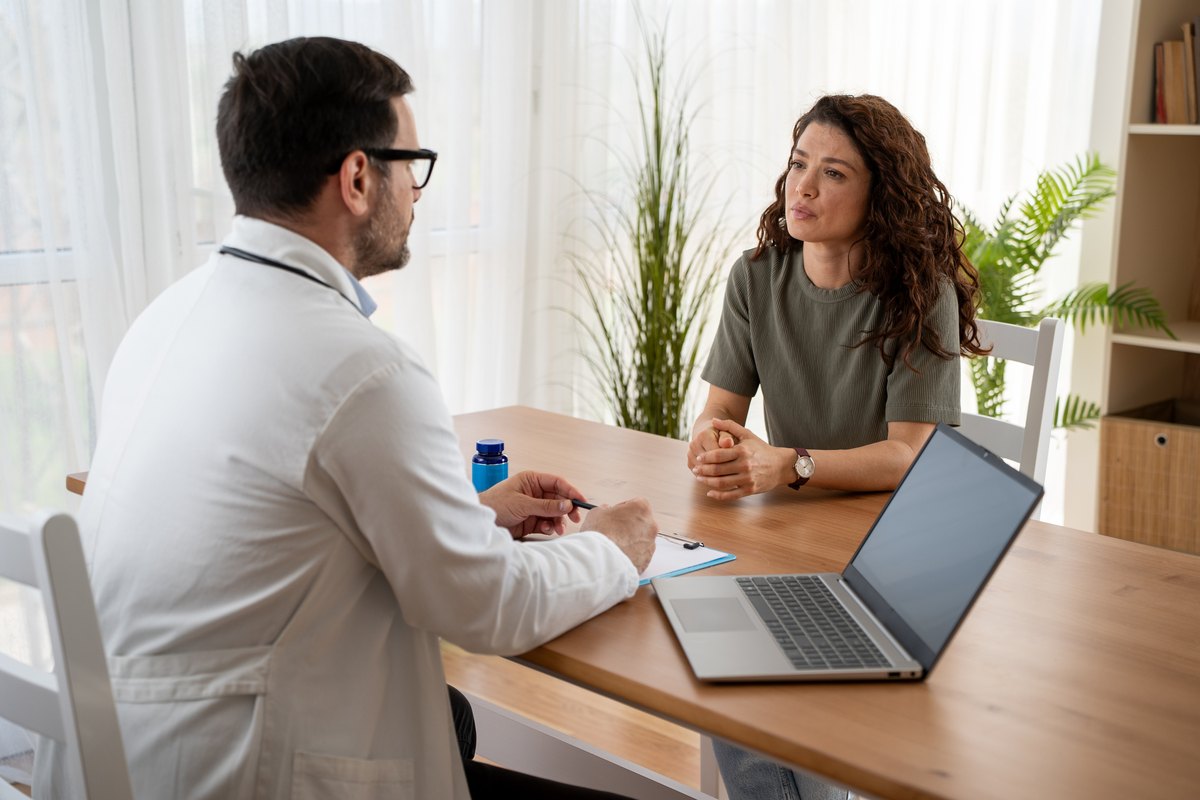
Most visits follow four simple steps. Our team guides you through each one and answers questions along the way.
1. Consultation
Meet your physician, talk through your symptoms, and review your history and goals.
2. Diagnosis & Imaging
Ultrasound or other imaging helps identify the source of your pain.
3. Treatment
Your physician performs the EMG test and reviews the results with you to guide next steps.
4. Follow-Up
Check-ins track your progress and adjust your plan as needed.
Insurance & cost
Insurance, Self-Pay, and Clear Pricing
We accept many major insurance plans for consultations, testing, and many spine and joint procedures. Regenerative treatments such as PRP and stem cell therapy are usually self-pay, so you get a clear estimate before you decide.
Usually billed to insurance
- Consultations and office visits
- EMG and nerve testing
- Epidural, facet, and SI joint injections
- Nerve blocks, radiofrequency ablation, and nerve stimulators
Usually self-pay
- PRP and stem cell therapy (BMAC)
- Prolotherapy
- PRP hair restoration
- Stem cell banking
Self-pay options include prompt-pay discounts, payment plans, and HSA or FSA funds for eligible expenses.
Plans we accept

- PPO Trust








UMR coming soon. Blue Care Network plans require a referral. Coverage varies by plan and service, so call Rochester Hills (248) 216-1008 or Grand Rapids (616) 288-1109 and we will check your benefits.
Why patients choose MCRM
- Board-certified physicians Every procedure is performed by a board-certified physician, not a technician.
- Image-guided precision Ultrasound or fluoroscopic (x-ray) guidance places treatment exactly where it is needed.
- Your own cells, prepared on site Platelets and bone marrow cells are processed in our in-house lab during your visit.
- Results we track We have reported patient outcomes to the DataBiologics registry since 2019.
- Clear, upfront pricing Itemized estimates before treatment, prompt-pay discounts, and payment plans.
- Physicians who teach physicians Our doctors teach orthobiologic courses and helped write national back pain guidelines.
Our physicians
Meet Your Care Team

Thomas Nabity, MD
Board-certified physician

John Santa Ana, DO
Board-certified physician
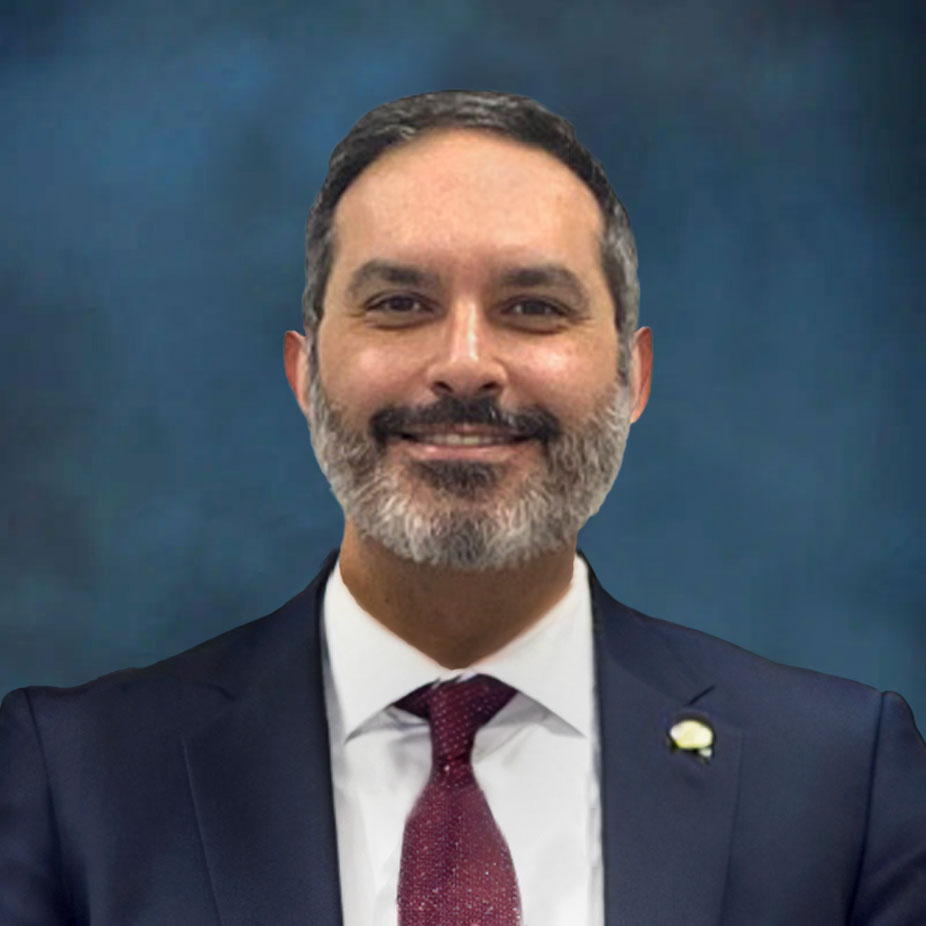
Robert Farhat, DO
Board-certified physician
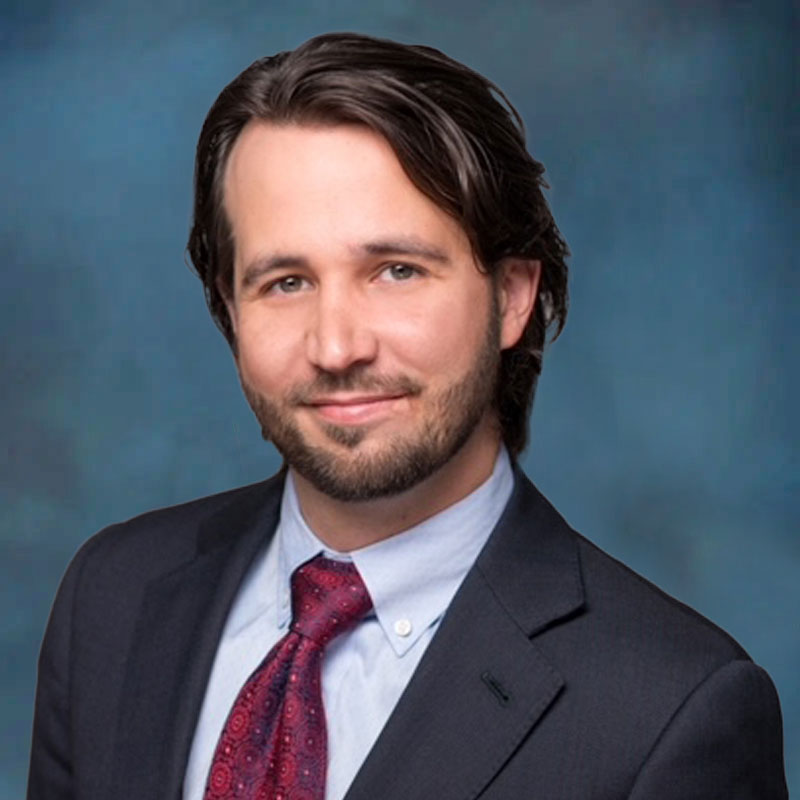
Kevin M. Nemeth, MD
Board-certified physician

John Steele, MD
Board-certified physician
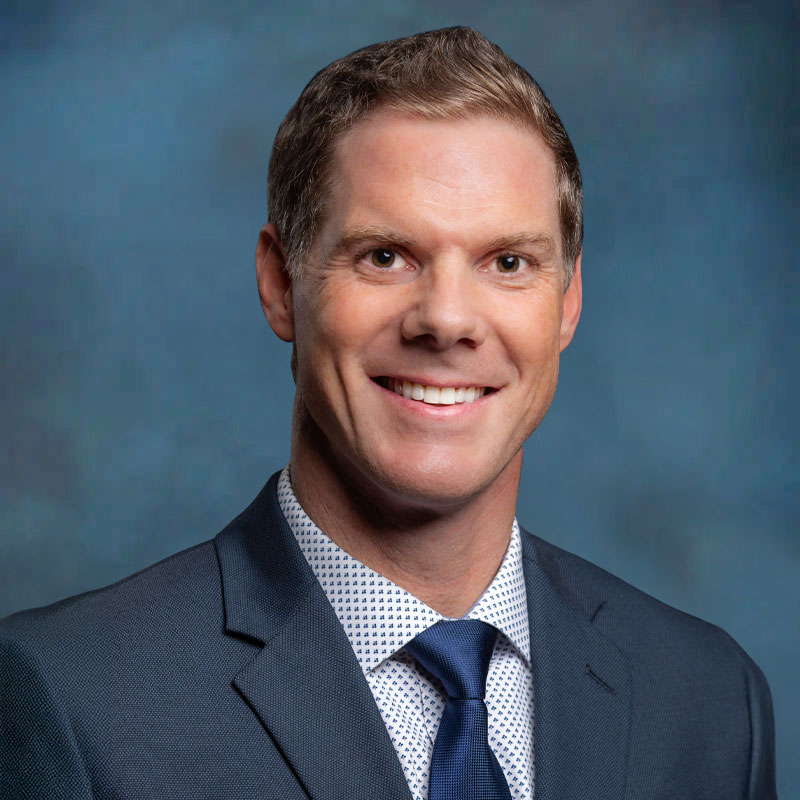
Christopher Hannasch, DO
Board-certified physician
Credentials & memberships
Training You Can Look Up
Board certification shows a physician completed specialty training and passed independent exams. Our physicians go further, with added certifications and memberships in orthobiologics, musculoskeletal ultrasound and electrodiagnostic medicine. Each program is run by an independent organization, so you can see exactly what it requires.
PM&R Board Certification
Board certification in physical medicine and rehabilitation, the specialty focused on restoring function.
Pain Medicine Board Certification
Board certification in pain medicine, covering evaluation and treatment of complex pain conditions.

IOF Certification Courses
Advanced knee, hip and spine certification courses in image-guided orthobiologic procedures.
IOF Instructors & Training Hub
Our physicians teach other doctors as IOF instructors, and our Rochester Hills clinic hosts training.
Musculoskeletal Ultrasound
Certified in diagnostic musculoskeletal ultrasound, the imaging used to guide our treatments.
Electrodiagnostic Medicine
Board certification in electrodiagnostic medicine, the specialty behind EMG and nerve testing.

American Academy of PM&R
The national society for physiatrists, physicians focused on restoring movement.
Interventional Pain (ASIPP)
A society that sets education and practice standards for interventional pain medicine.

Orthopaedic Medicine (AAOM)
A physician group focused on non-surgical musculoskeletal care, including prolotherapy.

DataBiologics Registry
We report patient outcomes to a national orthobiologics registry to track results over time.
Patient stories
Hear From Our Patients
Patients describe their own experiences with care at the Michigan Center for Regenerative Medicine. Individual results vary.
Patient Testimonial
Patient Testimonial
FAQ
EMG Testing Questions
Answers to common questions about EMG testing. Your physician can address your specific situation during a consultation.
What does EMG stand for?
Electromyography, a test of how your nerves and muscles work together.
How is EMG different from an MRI?
MRI and X-rays show structure. EMG shows how nerves and muscles function.
Why would I need an EMG?
For persistent numbness, tingling, weakness, or radiating pain, especially when other tests have not found the cause.
What conditions can EMG help identify?
Pinched nerves in the neck or back, sciatica, carpal tunnel syndrome, nerve entrapment, peripheral neuropathy, and nerve injuries.
Who performs the test?
Board-certified physicians at our clinics perform and interpret EMG testing.
What happens after the test?
Your physician reviews the results with you and explains which treatments fit.
Is EMG covered by insurance?
EMG testing can usually be billed to insurance. Coverage depends on your plan.
Can EMG show whether pain comes from my spine?
Yes. EMG can help tell whether symptoms start in the spine or in the peripheral nerves.
How should I prepare?
Your team will give you instructions when you schedule.
How do I schedule EMG testing?
Call (248) 216-1008 for Rochester Hills or (616) 288-1109 for Grand Rapids, or use the short form on this page.
Keep learning
Related Nerve Pain Articles
Nerve Pain & Neuropathy · PRP Therapy
How PRP is Used to Treat Peripheral Neuropathy
How is PRP used to treat peripheral neuropathy? PRP for peripheral neuropathy uses plasma made from your own blood, separated from the …
Nerve Pain & Neuropathy
How Nerve Pain Stimulation Puts You in Control of Your Pain
How does nerve pain stimulation help control chronic pain? Nerve pain stimulation uses a small electrical device placed near a malfunctioning nerve …
Nerve Pain & Neuropathy · Stem Cells & Orthobiologics
Stem Cell Therapy to Treat Neuropathy
How can stem cell therapy treat neuropathy? Stem cell therapy is seen as a promising approach for neuropathy because stem cells can …
Next step
Find Out if EMG Testing Is Right for You
Answer a few short questions and our team will contact you to schedule a consultation.
Share your symptoms and goals in the short form.
Our team contacts you to schedule a consultation.
Meet a board-certified physician in Grand Rapids or Rochester Hills.
★ 4.7 Google ratingBoard-certified physiciansTwo Michigan clinics
Prefer to talk?Rochester Hills (248) 216-1008Grand Rapids (616) 288-1109
Free webinar replay
Watch: Pain Management Treatment Strategies
Watch the replay of our physicians’ webinar on pain management treatment strategies.
Our physicians host free webinars with live Q&A. Watch any past webinar on demand, or call us to ask about the next date.
Our locations
Visit Our Michigan Clinics
Rochester Hills Clinic
355 Barclay Cir, Suite A
Rochester Hills, MI 48307
Monday–Friday, 9:00 am–4:30 pm
Grand Rapids Clinic
1000 E. Paris Ave SE, Suite 221
Grand Rapids, MI 49546
Monday–Friday, 9:00 am–4:30 pm
Areas we serve
EMG Testing Near You
Patients visit our Rochester Hills and Grand Rapids clinics from across Michigan.