


Michigan Center for Regenerative Medicine
Prolotherapy in Grand Rapids, MI from Board-Certified Doctors
Prolotherapy places a natural solution, most often dextrose, into weak or painful ligaments and tendons to prompt the body’s repair response. Our Grand Rapids physicians evaluate you first and explain whether it fits.
★ 4.7 Google rating · Board-certified physicians · Rochester Hills & Grand Rapids

What is prolotherapy in Grand Rapids, MI?
Prolotherapy is an injection treatment that may help strengthen weak or painful ligaments and tendons by encouraging the body’s natural repair response. At our Grand Rapids office, each patient is evaluated first to see whether dextrose prolotherapy, PRP, ultrasound-guided injections, or rehab is the right fit. Results vary and are not immediate.
Prolotherapy for Grand Rapids Patients
At the Michigan Center for Regenerative Medicine, we provide individualized prolotherapy at our Grand Rapids office after reviewing your symptoms, medical history, activity demands, and treatment goals.
Our evaluation helps determine whether dextrose prolotherapy, platelet-rich plasma, ultrasound-guided injections, rehabilitation, or activity changes are the best fit. Treatment may support weakened ligaments and tendons, joint stability, and function, but results vary and are not immediate. We explain benefits, limitations, risks, timelines, and costs before care begins.
Board-certified physicians Kevin M. Nemeth, MD, and Christopher Hannasch, DO, see patients at our Grand Rapids clinic Monday through Friday. Learn more about prolotherapy in Michigan.
How Prolotherapy Works

Prolotherapy uses carefully placed injections of a natural solution, most often dextrose, to prompt a mild, controlled healing response around weakened or painful ligaments and tendons. Over time, this response is intended to support tissue repair and improve joint stability and function.
Rather than promising immediate results, we focus on measurable changes, appropriate timing, and how your body responds. Most patients need a series of treatments, and we adjust the plan based on your progress and exam findings.
Who May Be a Good Candidate for Prolotherapy?
Prolotherapy may be considered when weakened or irritated connective tissue contributes to ongoing pain or instability and standard care has not given lasting relief, for example:
- Joint pain and instability, such as a knee that shifts or an ankle that keeps rolling
- Tendon and ligament injuries of the Achilles, rotator cuff, patellar tendon, elbow, knee, or ankle
- Some chronic back and neck pain linked to weakened spinal ligaments
- Sports-related overuse injuries
Prolotherapy is not appropriate for every diagnosis, and it does not replace urgent care for a significant injury or new neurological symptoms.

Conditions
Conditions Our Physicians Evaluate
Prolotherapy may be considered when weak or irritated ligaments and tendons contribute to pain or instability. Your evaluation determines whether it fits.
Knee arthritis and old injuries can limit walks and stairs. An exam shows which options fit.
Shoulder symptoms can come from tendons, the joint or nerves, so diagnosis comes first.
Back discomfort does not always start in a disc. Careful evaluation guides the next step.
Hip, elbow and ankle concerns are reviewed with your history, exam and imaging.
Lingering problems after a sports injury or car accident get a full evaluation.
Neuropathy, tendinitis, plantar fasciitis and more. Browse every condition we evaluate.
Patient reviews
What Our Patients Say


In Their Words
We were amazed at how thorough the explanation of the recommended procedure was. I knew just what would happen and what I was agreeing to.
Steve G. Regenerative medicine patient
This doctor is very professional, using layman’s terms and taking his time with my parents to fully explain everything, and in answering all our questions!
Rosanna Windsor, Ontario · Family of a stem cell patient
Dr Nabity answered every question/concerns I had prior to the procedure in detail. If you leave a message for him he always calls you back himself.
Connie H. New Baltimore, MI · Stem cell patient
Excerpts from our patient testimonials.
Individual results vary. Reviews reflect each patient’s own experience.
Your visit
Your Path to Treatment
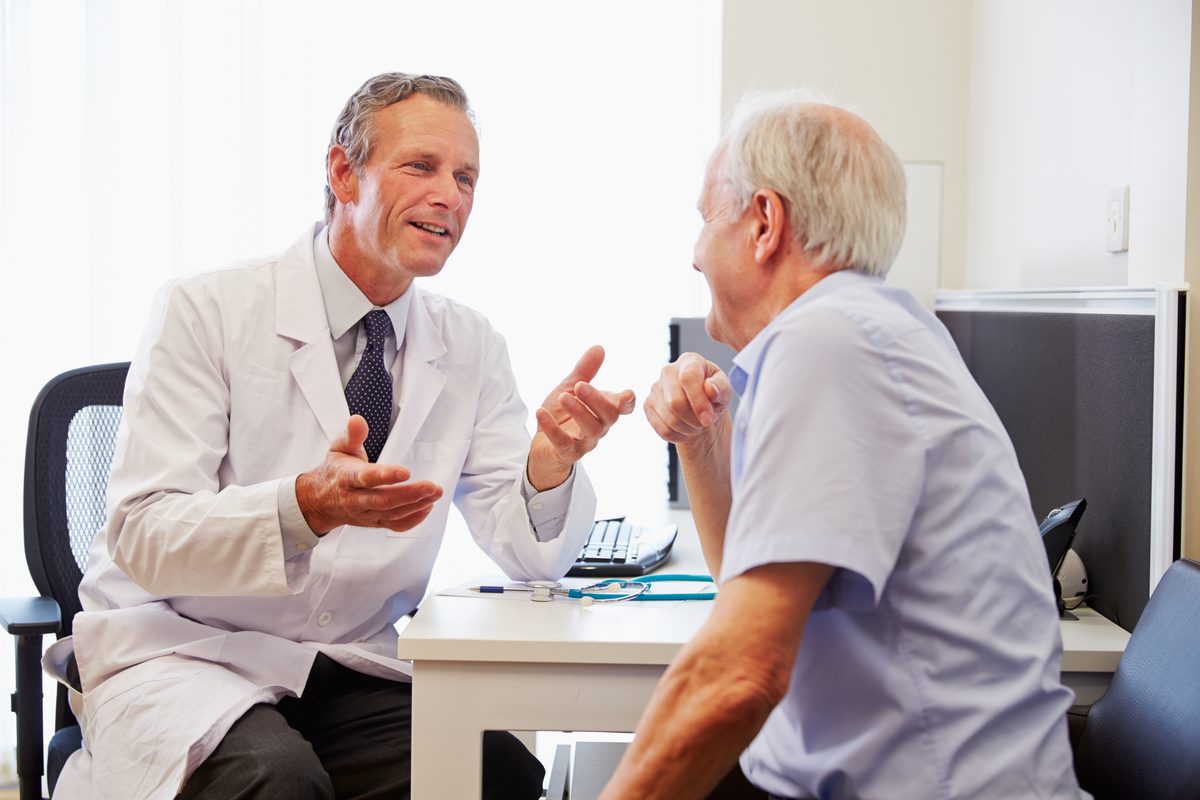
Most visits follow four simple steps. Our team guides you through each one and answers questions along the way.
1. Consultation
Meet your physician, talk through your symptoms, and review your history and goals.
2. Diagnosis & Imaging
Ultrasound or other imaging helps identify the source of your pain.
3. Treatment
If prolotherapy fits, your physician places the solution precisely around the weakened ligament or tendon, often with ultrasound guidance, and explains how many sessions may help.
4. Follow-Up
Check-ins track your progress and adjust your plan as needed.
Insurance & cost
Insurance, Self-Pay, and Clear Pricing
We accept many major insurance plans for consultations, testing, and many spine and joint procedures. Regenerative treatments such as PRP and stem cell therapy are usually self-pay, so you get a clear estimate before you decide.
Usually billed to insurance
- Consultations and office visits
- EMG and nerve testing
- Epidural, facet, and SI joint injections
- Nerve blocks, radiofrequency ablation, and nerve stimulators
Usually self-pay
- PRP and stem cell therapy (BMAC)
- Prolotherapy
- PRP hair restoration
- Stem cell banking
Self-pay options include prompt-pay discounts, payment plans, and HSA or FSA funds for eligible expenses.
Plans we accept

- PPO Trust




UMR coming soon. Blue Care Network plans require a referral. Coverage varies by plan and service, so call Rochester Hills (248) 216-1008 or Grand Rapids (616) 288-1109 and we will check your benefits.
Why patients choose MCRM
- Board-certified physicians Every procedure is performed by a board-certified physician, not a technician.
- Image-guided precision Ultrasound or fluoroscopic (x-ray) guidance places treatment exactly where it is needed.
- Your own cells, prepared on site Platelets and bone marrow cells are processed in our in-house lab during your visit.
- Results we track We have reported patient outcomes to the DataBiologics registry since 2019.
- Clear, upfront pricing Itemized estimates before treatment, prompt-pay discounts, and payment plans.
- Physicians who teach physicians Our doctors teach orthobiologic courses and helped write national back pain guidelines.
Our physicians
Meet Your Care Team

Thomas Nabity, MD
Board-certified physician

John Santa Ana, DO
Board-certified physician
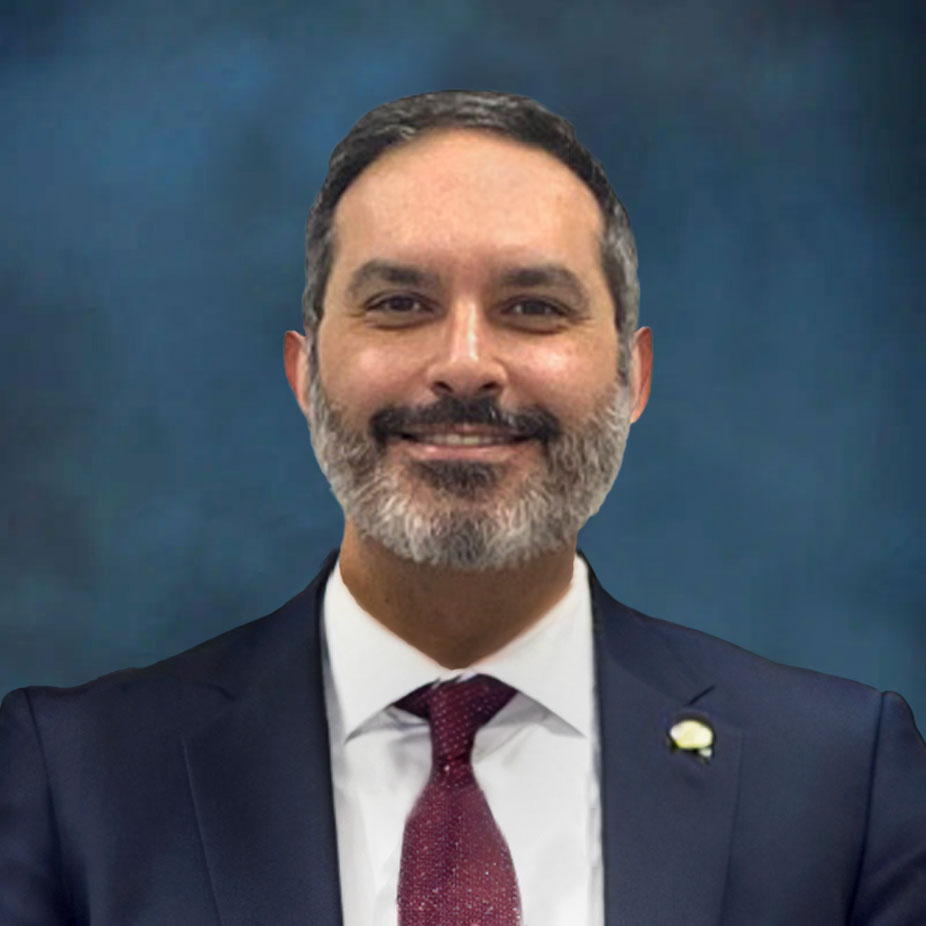
Robert Farhat, DO
Board-certified physician
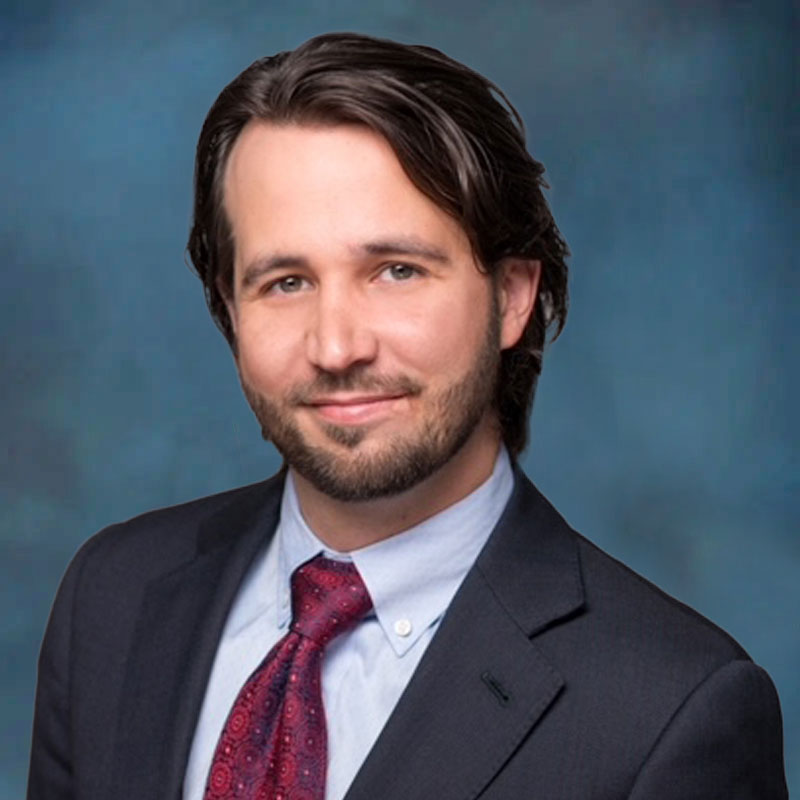
Kevin M. Nemeth, MD
Board-certified physician

John Steele, MD
Board-certified physician
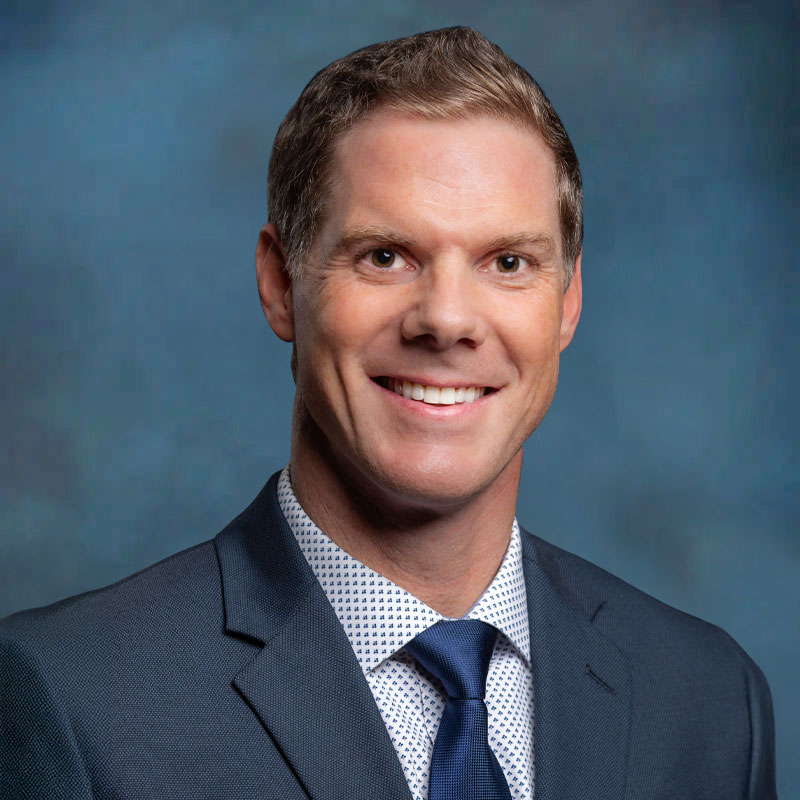
Christopher Hannasch, DO
Board-certified physician
Credentials & memberships
Training You Can Look Up
Board certification shows a physician completed specialty training and passed independent exams. Our physicians go further, with added certifications and memberships in orthobiologics, musculoskeletal ultrasound and electrodiagnostic medicine. Each program is run by an independent organization, so you can see exactly what it requires.
PM&R Board Certification
Board certification in physical medicine and rehabilitation, the specialty focused on restoring function.
Pain Medicine Board Certification
Board certification in pain medicine, covering evaluation and treatment of complex pain conditions.

IOF Certification Courses
Advanced knee, hip and spine certification courses in image-guided orthobiologic procedures.

IOF Instructors & Training Hub
Our physicians teach other doctors as IOF instructors, and our Rochester Hills clinic hosts training.
Musculoskeletal Ultrasound
Certified in diagnostic musculoskeletal ultrasound, the imaging used to guide our treatments.
Electrodiagnostic Medicine
Board certification in electrodiagnostic medicine, the specialty behind EMG and nerve testing.

American Academy of PM&R
The national society for physiatrists, physicians focused on restoring movement.
Interventional Pain (ASIPP)
A society that sets education and practice standards for interventional pain medicine.
Orthopaedic Medicine (AAOM)
A physician group focused on non-surgical musculoskeletal care, including prolotherapy.

DataBiologics Registry
We report patient outcomes to a national orthobiologics registry to track results over time.
Patient stories
Hear From Our Patients
Patients describe their own experiences with care at the Michigan Center for Regenerative Medicine. Individual results vary.
Patient Testimonial
Patient Testimonial
In-depth guide
Prolotherapy in Grand Rapids: A Complete Patient Guide
A closer look at the conditions prolotherapy may help, how to prepare, what to expect, costs, and how to choose a provider in Grand Rapids.
Key points
- Prolotherapy may help strengthen weak or painful ligaments and tendons.
- It is considered for joint instability, tendon and ligament injuries, some back and neck pain, and overuse injuries.
- Your evaluation reviews symptoms, history, movement, medications, and prior treatments.
- Most patients need a series of treatments, and results build gradually.
- Coverage varies, so ask for an estimate before you decide.
Conditions Prolotherapy May Help
Joint pain and instability
When weakened ligaments or tendons fail to support a joint, it can feel unstable. A knee may shift or buckle on stairs, and an old ankle sprain can leave lingering soreness, swelling, and reduced confidence. We review your symptoms, history, movement patterns, and previous treatments to see whether prolotherapy may help support the tissue around the joint.
Tendon and ligament injuries
These injuries can come from sudden trauma, repetitive strain, or gradual weakening, and often affect the Achilles tendon, rotator cuff, patellar tendon, elbows, knees, and ankle ligaments. When standard care has not restored comfortable movement, prolotherapy may support repair and stability alongside a structured rehab plan.
Chronic back and neck pain
Back and neck pain can involve muscle strain, weakened spinal ligaments, degenerative changes, or prior injuries. When damaged connective tissue contributes to ongoing pain, prolotherapy may help some patients, although results vary and it is not right for everyone. See back pain care in Grand Rapids.
Sports-related overuse injuries
Runners, swimmers, cyclists, and team athletes can develop tendinopathy, lingering sprains, or joint pain when training stresses tissue faster than it can repair. Prolotherapy works best alongside rest, movement changes, rehab exercises, and progressive strengthening, plus attention to training mechanics and recovery habits. See sports injury care in Grand Rapids.
Your Treatment Options
Depending on your exam and imaging, your plan may include:
- Dextrose prolotherapy for selected ligament or tendon problems
- Platelet-rich plasma (PRP) when concentrated blood components may support recovery
- Ultrasound-guided injections for precise placement
- A focused series of treatments based on your response
- Non-surgical options such as rehabilitation and activity changes
We explain expected benefits, limitations, possible discomfort, and reasonable alternatives so you can make an informed choice.
Before You Start
Your medical evaluation
We discuss your symptoms, medical history, previous injuries, and current treatments, and perform a focused exam to find the affected tissue, check joint stability, and understand how the problem affects daily activities. Clear communication also helps us spot conditions that need different care first.
Reviewing your options
After your evaluation, we compare prolotherapy with other options, such as platelet injections, physical rehabilitation, or medication support, including their benefits, limitations, risks, and timelines.
Preparing your health history
Bring a complete medication list, including prescriptions, over-the-counter products, vitamins, and supplements, since some can affect bleeding, recovery, or timing. Bring details about past injuries and treatments, imaging reports, lab results, and records from other providers.
How Prolotherapy May Help You
For appropriate patients, prolotherapy may help with:
- Less discomfort during daily activities
- Better support around vulnerable joints
- More confidence and tolerance with movement
- A structured path toward recovery
- Gradual joint stabilization alongside rehabilitation
Prolotherapy does not guarantee results, and candidacy depends on the source of your pain and your overall health. It often works best as part of a plan that includes physical therapy or other conservative care.
Why Earlier Evaluation Matters
Persistent joint or soft-tissue pain can become harder to manage when the underlying problem keeps affecting how you move. People often start avoiding activities or pacing themselves so much that overall strength and conditioning decline.
When supporting tissue stays weak, a joint can feel less controlled over time, and nearby muscles work harder to protect it, which can change posture, balance, and movement. Pain-related movement habits can also become established and may need a longer rehab plan.
Every patient responds differently, depending on injury severity, overall health, activity demands, and the condition of the tissue when care begins. An earlier assessment helps us find contributing factors and decide whether prolotherapy or another option makes sense.
What to Expect From Treatment
We confirm the plan, position you comfortably, clean the skin, and use precise injections around the weakened or painful tissue. You may notice brief pressure, pinching, or soreness, and we explain each step as we go.
Afterward, you get clear aftercare instructions, including activity guidance and when to call us. Mild tenderness or swelling can occur for a short time. Recovery depends on the treated area, the tissue, and your response, and follow-up visits help us adjust your plan.
Not sure if prolotherapy fits your situation?
A board-certified physician can review your history and imaging and explain your options, including when another approach may fit better.
If Symptoms Continue After Treatment
We review when discomfort started, how it has changed, and whether it stays in one area or spreads. An exam checks tenderness, swelling, strength, stability, and sensation, and movement testing shows whether certain positions or activities bring on symptoms.
These findings help us tell expected soreness apart from inflammation, nerve irritation, infection, or another injury. Call us promptly if symptoms worsen, function declines, or you develop fever or significant redness.
Cost and Insurance
Cost depends on the treatment plan, the number of treated areas, the complexity of your condition, and how many sessions you need. We provide clear estimates before treatment begins.
Because prolotherapy may be considered regenerative or elective care, confirm benefits and exclusions with your insurer. Ask us about payment plans and financing options for qualified patients. See insurance accepted.
How to Choose a Prolotherapy Provider in Grand Rapids
- A thorough consultation that covers your history, symptoms, previous treatments, and daily limitations
- Clear patient selection criteria and honest discussion of benefits, limitations, risks, costs, and alternatives
- Licensed physicians, evidence-informed protocols, clear safety standards, and a realistic follow-up plan
- A plan that matches your priorities, such as less pain, better movement, or returning to activities
Our team evaluates patient fit carefully, uses diagnostic tools when appropriate, and builds individual protocols rather than a standard schedule. We listen, explain each step, and stay involved through your recovery.
FAQ
Prolotherapy Questions
Answers to common questions from Grand Rapids patients. Your physician can address your specific situation during a consultation.
What is prolotherapy?
An injection treatment, usually with a dextrose solution, that may help strengthen weak or painful ligaments and tendons by encouraging the body’s repair response.
Is prolotherapy covered by insurance?
Coverage varies, and many insurers classify prolotherapy as elective or investigational. Check your benefits and any prior authorization rules, and we will explain expected costs and payment options.
What should I avoid after prolotherapy?
Avoid strenuous activity for the first several days, such as running, jumping, heavy lifting, or contact sports. Keep loads light until your physician clears you, then build up gradually.
How soon can I drive after treatment?
Wait until you are fully alert, steady, and free from significant pain. Some patients wait several hours and others the rest of the day, so arrange a ride when possible.
Can prolotherapy be combined with physical therapy?
Often, yes, when your physician coordinates the plan. Physical therapy may start with gentle mobility work and progress to strengthening as soreness improves.
Are there age restrictions?
There is no universal age limit. We evaluate your health history, goals, and condition. Children and teens need clear justification, and older adults may qualify after reviewing risks and alternatives.
How many sessions will I need?
It depends on your condition and response. Some patients need fewer visits and others benefit from a longer course of care.
Is prolotherapy painful?
You may feel brief pressure, pinching, or soreness during treatment, and mild tenderness or swelling afterward is common for a short time.
Where is your Grand Rapids office?
We are at 1000 E. Paris Ave SE, Suite 221, Grand Rapids, MI 49546. Call (616) 288-1109 for directions.
How do I schedule a consultation?
Call (616) 288-1109 or use the short form on this page to request your free consultation.

Keep learning
Related Regenerative Medicine Articles
News & Events · PRP Therapy
Pre-eminent Journal Publishes Findings in PRP for Knee Osteoarthritis
What did the PM&R Journal find about PRP for knee arthritis? The PM&R Journal reported two main factors linked to better results …
Joint & Spine Pain
SI Joint Pain After Pregnancy: Why It Lingers and What Actually Helps
Why does SI joint pain linger after pregnancy? During pregnancy, the hormone relaxin loosens pelvic ligaments, which can make the SI joint …
Stem Cells & Orthobiologics
The Role Exosomes Play in Regenerative Medicine
What role do exosomes play in regenerative medicine? Exosomes are tiny cellular messengers packed with growth factors, RNA and proteins that help …
Next step
Find Out if Prolotherapy Is Right for You
Answer a few short questions and our team will contact you to schedule a consultation.
Share your symptoms and goals in the short form.
Our team contacts you to schedule a consultation.
Meet a board-certified physician in Grand Rapids or Rochester Hills.
★ 4.7 Google ratingBoard-certified physiciansTwo Michigan clinics
Prefer to talk?Rochester Hills (248) 216-1008Grand Rapids (616) 288-1109
Free webinar replay
Watch: Regenerative Medicine for Arthritis and Injury Repair
Watch the replay of our physicians’ webinar on regenerative options for arthritis and injuries.
Our physicians host free webinars with live Q&A. Watch any past webinar on demand, or call us to ask about the next date.
Our locations
Visit Our Michigan Clinics
Rochester Hills Clinic
355 Barclay Cir, Suite A
Rochester Hills, MI 48307
Monday–Friday, 9:00 am–4:30 pm
Grand Rapids Clinic
1000 E. Paris Ave SE, Suite 221
Grand Rapids, MI 49546
Monday–Friday, 9:00 am–4:30 pm
Areas we serve
More Care at Our Grand Rapids Office
Patients visit our Rochester Hills and Grand Rapids clinics from across Michigan.