Regenerative Medicine in Grand Rapids MI
The Michigan Center for Regenerative Medicine provides personalized regenerative medicine treatment in Grand Rapids, MI, beginning with a thorough evaluation of your symptoms, medical history, goals, and treatment options. Depending on your condition, we may discuss PRP, cell-based therapies, prolotherapy, or rehabilitation-supported care for joint pain, arthritis, sports injuries, and chronic tendon problems. We explain potential benefits, limitations, risks, costs, and expected timelines without guaranteeing results. Our experienced team coordinates preparation, treatment, monitoring, and follow-up.
Learn more about our approach at Michigan Center for Regenerative Medicine.
Main Takeaways
- Regenerative medicine in Michigan may include PRP, cell-based therapies, prolotherapy, and rehabilitation-focused combination approaches.
- Providers evaluate symptoms, medical history, goals, imaging, and physical findings to determine whether treatment may be appropriate.
- Potential outcomes include reduced discomfort, symptom relief, and improved mobility, but results vary and are not guaranteed.
- Qualified centers explain benefits, limitations, risks, alternatives, expected timelines, follow-up plans, and potential out-of-pocket costs.
- Before treatment, verify credentials, board certification, screening standards, treatment protocols, recovery expectations, and coordinated follow-up care.
How Michigan Center for Regenerative Medicine Can Help With Your Regenerative Medicine Treatment
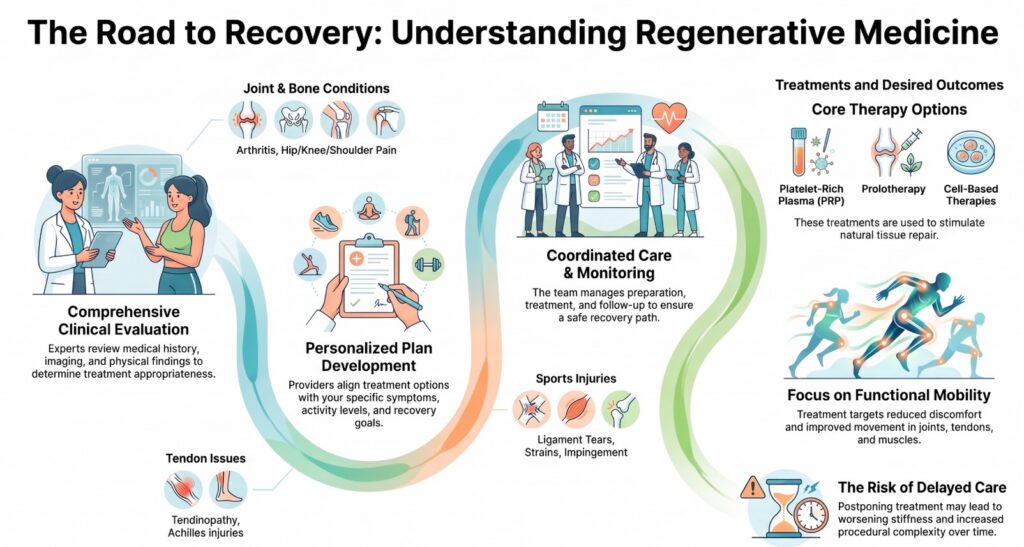
When you’re exploring regenerative medicine treatment, the Michigan Center for Regenerative Medicine can provide a structured, patient-focused approach from the initial consultation through follow-up care. We begin by listening carefully to your concerns, medical history, and Patient goals, creating a setting where you can participate confidently in each decision. Our clinical team reviews relevant information, discusses available options, and explains what each step may involve. Along with that, we develop a personalized treatment plan that reflects your needs, health considerations, and preferences.
We also clarify preparation instructions, expected appointments, and recommended follow-up so you can approach care with a clear understanding of the process. Throughout your experience, we encourage questions and maintain consistent communication. Rather than charting treatment alone, you’ll have a coordinated team supporting you from consultation to follow-up. Our goal is to provide organized guidance, respectful communication, and care that remains centered on your individual circumstances.
Understanding What Regenerative Medicine Treatment in Grand Rapids MI Can Do for Your Health
Regenerative medicine treatment in Grand Rapids, MI may help support the body’s natural recovery processes and address concerns involving joints, muscles, tendons, and other tissues. We’ll evaluate your health history, symptoms, goals, and treatment options before recommending a personalized plan. Our purpose is to help you understand what care may accomplish and participate confidently in each decision.
Depending on your circumstances, regenerative approaches may encourage the body’s healing response, support tissue repair, and promote improved function. Some people may experience symptom relief, reduced discomfort, or greater mobility, while others may see gradual changes over time. Results vary, and treatment isn’t guaranteed to restore damaged tissue or replace conventional care in every situation.
We’ll clearly explain potential benefits, limitations, risks, and expected timelines, so you won’t have to manage the process alone. By combining careful assess
“After a series of facet and nerve blocking without feeling much improvement, I was referred to Dr. Nabity, who was very caring and supportive. I’ve been seeing Dr. Nabity for over a year and a half. I was suffering from very bad chronic pain after my car accident. He is one of the best doctors I have been to. He listens to the issues I have and works out a plan with me. He takes the time to explain what is going on and helps me understand. He also has a great sense of humor. He recommended the PRP (platelet rich plasma) injections. After the first sets of injections I was able to feel the improvement. I have done the PRP injections 3 times so far and it’s been helpful. I’m very happy with his care and concern for my well-being. I would highly recommend Dr. Nabity.” – Rosanna K. Sterling Heights, MI
Office Hours:
| Monday | 9:00 am – 4:30 pm |
| Tuesday | 9:00 am – 4:30 pm |
| Wednesday | 9:00 am – 4:30 pm |
| Thursday | 9:00 am – 4:30 pm |
| Friday | 9:00 am – 4:30 pm |
| Saturday | Closed |
| Sunday | Closed |
Map:
Treatable Conditions from Board-certified Doctors
- Muscle Pain Treatment
- Spine Pain Treatment
- Treatment Injuries
- PRP Treatment for Hair Restoration
- Nerve Pain Treatment
- Chronic Pain Treatment
- Treatment for Tendon Tears
- Ankle and Foot Pain Treatment
- Treatment For Muscular Weakness
- Arthritis and Bursitis Treatment
- Ankle and Foot Pain Treatment
- Treatment For Muscular Weakness
- Spinal Stenosis Treatment
- Diabetic Neuropathy Treatment
- Herniated Discs of the Spine
- Hip Pain Treatment
- Muscle And Tendon Sprain and Strain
- Treatment For Knee Cartilage Lesions
- Male Erectile Regeneration
- Ligament Strain Treatment
- Female Pelvic Floor Regeneration
- Regenerative Skin Care
- Degenerative Disc Disease Treatment
- Musculoskeletal Pain Treatment
- Osteoarthritis Treatment
- Plantar Fasciitis Treatment
- Sports Injury Treatment
- Sciatica Treatment
- Joint Pain Treatment
- Knee and Shoulder Pain Treatment
- Wrist and Hand Pain Treatment
- Tendinitis Treatment
- Meniscus Tears in the Knee
- Treatment for Tennis Elbow
- Tension Headache Treatment
- Lumbar Disc Herniation Treatment
- Sacroiliac (SI) Joint Dysfunction
- Lower Back and Bone Pain Treatment
- and Other Treatment Related to Muscle, Tendon, and Bone Trauma
Michigan Center for Regenerative Medicine Testimonials
Here’s What Our Patients Had to Say on Google


Take Advantage of Regenerative Medicine Provided by Board-certified Doctors
Contact Michigan Center for Regenerative Medicine Today and Discover If You are a Candidate. Visit our new location at 1000 E. Paris Ave SE Suite 221, Grand Rapids, MI 49546.
Common Conditions That May Benefit From Regenerative Medicine Treatment in Grand Rapids MI
We’ll examine how regenerative medicine treatment in Grand Rapids, MI, may support joint pain relief and sports injury recovery. We’ll also consider its potential role in managing arthritis symptoms and chronic tendon conditions. By reviewing these applications, we can clarify which concerns may warrant a thorough clinical evaluation.
Joint Pain Relief
Joint pain can limit mobility, disrupt sleep, and make routine activities difficult, particularly when injuries or age-related tissue changes affect the hips, knees, shoulders, or other weight-bearing joints. Together, we can evaluate whether regenerative medicine may support comfort and function when conventional approaches have provided limited relief. Depending on your condition, treatment planning may address inflammation, tissue quality, and the body’s capacity to heal. We’ll discuss Stem cell sourcing carefully, including the material’s origin, safety considerations, and evidence supporting its use.
We’ll also establish platelet therapy goals that reflect your symptoms, examination findings, and daily needs rather than promising a guaranteed outcome. With individualized guidance and appropriate follow-up, we can help you make informed decisions and pursue a treatment plan aligned with your health priorities.

Sports Injury Recovery
When sports injuries affect muscles, tendons, ligaments, or joints, they can limit training, work, and everyday movement long after the initial event. Together, we can address common problems such as a muscle strain, tendon irritation, ligament injury, or shoulder impingement with a careful evaluation and individualized plan. Regenerative medicine may support the body’s natural repair processes by delivering targeted biologic therapies to affected tissues. Our approach focuses on your symptoms, injury history, activity goals, and overall health rather than applying a one-size-fits-all solution.
We’ll explain potential benefits, limitations, and alternatives so you can make informed decisions with confidence. Whether you’re returning to competition or simply seeking dependable movement, our team can help you pursue recovery while coordinating rehabilitation and other appropriate care.
Arthritis Symptom Management
Arthritis can cause persistent pain, stiffness, swelling, and reduced mobility that interfere with work, exercise, and daily activities. Together, we can develop a management plan that reflects your diagnosis, goals, and overall health. Regenerative medicine may offer an option for people seeking alternatives to conventional procedures, although results vary and treatment suitability requires careful evaluation. We’ll review your medical history, imaging, medications, and symptoms before recommending any approach.
Our goals include improving function, supporting tissue health, and helping you participate more comfortably in daily routines. We may also discuss physical therapy, activity adjustments, medication, and other alternative therapies as part of comprehensive care. Effective pain control remains important, and we’ll monitor your progress while adjusting recommendations responsibly. You don’t have to navigate arthritis alone; we’re here to support informed decisions.
Chronic Tendon Conditions
Chronic tendon conditions can limit strength, mobility, and daily function even after arthritis symptoms are addressed. We commonly see tendinopathy, partial tendon tears, and persistent inflammation affecting the shoulder, elbow, hip, knee, or Achilles tendon. These problems may develop through repetitive stress, injury, aging, or incomplete healing, and they can interfere with work, recreation, and personal independence.
We begin with a careful history and physical examination to understand your pain, movement patterns, and goals. An imaging assessment may help us evaluate tendon structure and identify changes that could influence treatment planning. Protecting tendon health often involves activity modification, targeted rehabilitation, and correction of contributing biomechanical factors. For appropriate patients, regenerative medicine may support the body’s repair response. Together, we’ll review your findings, discuss realistic expectations, and create a plan that respects your needs and priorities.
Your Treatment Options for Regenerative Medicine Treatment in Grand Rapids MI
Regenerative medicine treatment in Grand Rapids, MI, offers several options designed to support tissue repair, reduce pain, and improve function without relying solely on surgery or long-term medication. Together, we can consider nonsurgical alternatives that match your condition, goals, and overall health.
- Platelet-rich plasma (PRP): We use concentrated platelets from your blood to support the body’s natural recovery response in targeted areas.
- Cell-based therapies: Certain treatments may use regenerative cells to encourage repair and improve tissue function, depending on clinical appropriateness.
- Prolotherapy: We apply a carefully selected solution to stimulate healing in weakened ligaments, tendons, or joints.
- Combination approaches: We may pair regenerative therapies with rehabilitation to support strength, mobility, and lasting function.
Our team develops personalized care plans rather than applying a single protocol to everyone. We’ll clearly explain the expected benefits, limitations, and alternatives, helping you participate confidently in decision-making. As part of our Grand Rapids community, you’ll receive attentive care focused on meaningful progress and practical outcomes.
Steps to Take Before Starting Regenerative Medicine Treatment in Grand Rapids MI
Before starting regenerative medicine treatment in Grand Rapids, MI, we should research qualified providers and verify their credentials, experience, and treatment protocols. We’ll also review our complete medical history, including current medications, prior procedures, and existing conditions, to support safe, appropriate care. Finally, we should discuss treatment expectations, potential benefits, limitations, risks, and the anticipated recovery process with the provider.
Research Qualified Providers
How can we determine whether a regenerative medicine provider in Grand Rapids, MI is qualified to deliver appropriate, evidence-based care? We can begin by verifying Provider credentials through state licensing boards, professional organizations, and the clinic’s official materials. We should confirm board certification in a relevant specialty and assess whether the physician maintains current training in the proposed regenerative techniques. Clinical skill matters as well, so we can ask how frequently the provider performs the treatment, which conditions they address, and what published evidence supports their recommendations.
A reputable practice will explain patient screening standards, expected outcomes, limitations, risks, and alternatives without guaranteeing results. We can also review independent patient feedback and request clear information about costs and follow-up care. Altogether, these steps help us choose a qualified, transparent team.
Review Medical History
A thorough review of our medical history helps determine whether regenerative medicine is appropriate and safe for us. Before our consultation, we should gather medical records related to current symptoms, previous diagnoses, imaging, surgeries, medications, allergies, and ongoing conditions. Providing complete information helps our provider identify potential risks, contraindications, or factors that could affect treatment eligibility. We should also disclose prior injections, physical therapy, and other interventions, including their results and any adverse reactions.
Sharing family history and relevant lifestyle information may offer additional clinical context. Together, we can clarify patient goals and explain how our health history relates to available treatment options. We shouldn’t omit details because they seem minor; accurate information supports responsible recommendations and helps our care team protect our safety throughout the evaluation.
Discuss Treatment Expectations
Clear treatment expectations help us make informed decisions about regenerative medicine in Grand Rapids, MI. During our consultation, we’ll discuss the proposed therapy, its purpose, and the evidence supporting its use for your condition. We’ll also review potential benefits, limitations, risks, alternatives, and costs so you can participate confidently in planning care.
Ask about Patient timeline expectations, including preparation, treatment visits, activity restrictions, and follow-up appointments. We’ll explain when changes might become noticeable and emphasize that responses vary among individuals. Together, we’ll establish realistic recovery progress milestones, such as reduced discomfort, improved movement, or increased daily function, without promising sure outcomes.
We should identify questions, personal goals, and concerns before treatment begins. Clear communication keeps us aligned, supports informed consent, and helps us recognize when additional evaluation or adjustments may be necessary throughout recovery.

How a Regenerative Medicine Treatment in Grand Rapids MI Can Help You
Through regenerative medicine treatment in Grand Rapids, MI, we can address pain and impaired function by supporting the body’s natural recovery processes. Our team evaluates your symptoms, goals, and medical history to develop personalized care that fits your needs. We’ll explain each option clearly, so you can participate confidently in decisions about your health.
- We may help reduce discomfort associated with joint, tendon, or soft-tissue concerns.
- We can support mobility, strength, and daily function when appropriate.
- We tailor treatment planning to your condition, activity level, and recovery objectives.
- We provide attentive guidance within a respectful community focused on your well-being.
Long-Term Effects of Delaying Regenerative Medicine Treatment
When we delay regenerative medicine treatment, pain and stiffness may worsen, making everyday activities increasingly difficult. Over time, reduced mobility can limit strength, flexibility, and independence. Delayed care may also allow the condition to progress, potentially requiring more intricate treatment and a longer recovery.
Worsening Pain and Stiffness
Delaying regenerative medicine treatment can allow pain and stiffness to progress as inflammation persists and affected tissues lose function. We may notice discomfort becoming more frequent, lasting longer, or appearing during activities that once felt manageable. As irritation continues, surrounding muscles and joints can compensate, increasing strain and contributing to more persistent symptoms. Knee stiffness may become especially pronounced after rest, making the first movements of the day uncomfortable and difficult to perform.
Pain progression can also interfere with sleep, concentration, and our ability to maintain normal routines. We shouldn’t accept worsening symptoms as an unavoidable part of aging or injury. A timely evaluation can help us understand the underlying cause, discuss appropriate regenerative options, and establish a treatment plan before inflammation and tissue changes become more difficult to address.
Reduced Mobility Over Time
As pain and stiffness persist, reduced mobility can gradually limit how far and how comfortably we move. We may avoid stairs, walking, exercise, or social activities, which can cause muscles to weaken and joints to become less flexible. Over time, these changes can affect balance, endurance, and confidence, making everyday tasks feel increasingly demanding. We don’t have to accept this pattern as an inevitable part of aging or ongoing discomfort. Discussing regenerative medicine treatment in Grand Rapids, MI can help us understand whether non-surgical options may support our goals.
Alongside professional guidance, lifestyle adjustments such as appropriate movement, weight management, and activity pacing may help preserve function. By addressing mobility concerns early, we can remain engaged with our families, workplaces, and communities while protecting our independence and quality of life.
Increased Treatment Complexity
If persistent pain and limited mobility continue without timely evaluation, treatment may become more complex over time. As movement patterns change, surrounding muscles and joints can absorb additional stress, potentially creating several concerns that require attention. We’ll assess how these changes affect your daily function before recommending a care plan. Earlier evaluation may allow more focused Treatment planning, while delayed care can require broader rehabilitation, medication review, or referrals to address overlapping problems.
It may also involve additional imaging and closer monitoring before regenerative options are considered. Procedural coordination can become more demanding when multiple providers, treatments, or recovery timelines must align. By seeking guidance promptly, we can work with you to clarify priorities, coordinate appropriate care, and support a safer, more organized path forward within our Grand Rapids community.
Identifying the Underlying Cause of Your Regenerative Medicine Treatment Symptoms
Identifying the underlying cause of your symptoms after regenerative medicine treatment helps us determine whether they reflect a normal recovery response, an expected treatment effect, or a complication requiring prompt attention. We’ll listen carefully to your concerns, review your medical history, and document when each symptom began, changed, or worsened. This approach supports accurate identification of the underlying cause rather than assumptions based on symptoms alone.
A nerve symptom, such as numbness, tingling, burning, or weakness, may require focused evaluation of nearby nerves, inflammation, and tissue repair. Depending on your findings, we may recommend diagnostic testing, including imaging, laboratory work, or a targeted physical examination. We’ll explain what each test can clarify and how the results guide next steps.
Through root problem mapping, we connect symptoms with treatment details, existing conditions, medications, and recovery patterns. If warning signs appear, we’ll help you obtain prompt medical attention. Our shared goal is a clear explanation and a safe, individualized plan for your recovery.
Cost Factors for Regenerative Medicine Treatment in Grand Rapids MI
The cost of regenerative medicine treatment in Grand Rapids, MI, depends on several factors, including the condition being treated, the type and number of procedures recommended, and the clinic’s evaluation and follow-up requirements. We’ll review these details with you so our recommendations remain medically appropriate and financially understandable.
Insurance coverage varies by provider, policy, diagnosis, and treatment type. Some regenerative procedures may be considered investigational or elective, which can limit reimbursement. We encourage you to contact your insurer and request written information about deductibles, exclusions, authorization requirements, and eligible services.
If insurance doesn’t cover the full expense, we can discuss financing options and payment plans when available. These arrangements may involve credit approval, interest, deposits, or scheduled installments, so we’ll explain each term before you commit. Additional costs may include imaging, laboratory work, medications, or follow-up appointments. By reviewing the complete estimate jointly, we can help you compare choices, plan responsibly, and pursue care within your budget.
What to Expect From Your Regenerative Medicine Treatment in Grand Rapids MI
During your regenerative medicine treatment in Grand Rapids, MI, we’ll explain each step, from the initial evaluation and treatment planning to the procedure and follow-up care. We begin with a detailed Pain assessment, review your medical history, and discuss your goals, activity level, and available options. Together, we’ll establish a treatment timeline that outlines preparation, the appointment itself, recovery expectations, and progress visits.
Before treatment, we encourage you to research providers so you can understand their credentials, services, communication practices, and patient resources. We’ll also review insurance coverage, payment responsibilities, and any required documentation, helping you make informed decisions without unexpected concerns.
On treatment day, we’ll provide clear instructions, maintain a controlled clinical environment, and answer questions before proceeding. Afterward, we’ll explain appropriate activity, symptom monitoring, and follow-up scheduling. We’ll remain available as you proceed through recovery, ensuring you feel informed, respected, and included throughout the process. Our shared goal is a clear, coordinated experience centered on your needs.
Why You Need an Experienced Regenerative Medicine Center in Grand Rapids MI
Selecting a seasoned regenerative medicine center in Grand Rapids, MI, helps ensure that your care begins with a precise evaluation and a therapy plan tailored to your condition, goals, and medical history. Experienced clinicians understand that regenerative therapies require careful patient selection, appropriate preparation, and continued oversight. They can explain potential benefits, limitations, risks, and realistic timelines so you can make informed decisions with confidence.
A qualified center also provides patient-centered care, recognizing your concerns and including you in every meaningful step. Its team may use an advanced diagnostic approach to assess tissue health, identify contributing conditions, and determine whether regenerative treatment is right for you. This thorough process supports safer recommendations and more consistent care.
When we work with an experienced medical team, we become part of a coordinated community focused on responsible treatment. Skilled providers monitor progress, address questions, and adjust care when necessary, helping us heal through thoughtful, evidence-informed guidance rather than unsupported promises.
How to Choose the Right Grand Rapids MI Regenerative Medicine Center
When choosing a regenerative medicine center in Grand Rapids, MI, we should evaluate more than its available treatments. We should consider whether the practice listens carefully, explains options clearly, and creates a respectful environment where we feel included in our care.
Start by reviewing the provider’s credentials, clinical experience, and approach to evaluating each patient’s condition. A qualified center should discuss potential benefits, limitations, risks, and alternatives without promising guaranteed results. This level of treatment transparency helps us make informed decisions and recognize whether recommendations align with our goals.
Patient reviews can offer insight into communication, scheduling, professionalism, and overall patient experiences. We should consider consistent themes rather than relying on isolated comments. During a consultation, we can ask how the center measures progress, what follow-up involves, and which costs insurance may not cover.
About Michigan Center for Regenerative Medicine
Our evaluation of a regenerative medicine center in Grand Rapids, MI, should include the organization’s standards, experience, and commitment to responsible patient care. At Michigan Center for Regenerative Medicine, we encourage you to review the clinic’s qualifications, treatment philosophy, and communication practices before beginning care. This Michigan Center overview can help us understand how providers assess each person, explain potential benefits and limitations, and develop recommendations based on individual goals.
A responsible patient care approach includes thorough medical histories, appropriate diagnostic reviews, and honest discussions about whether regenerative therapies may be suitable. We should also expect clear information about costs, scheduling, follow-up, and available alternatives. By asking questions and sharing relevant health information, we become active participants in the decision-making process rather than passive recipients of treatment.
Our team believes a welcoming environment matters, particularly when patients seek knowledgeable guidance and consistent support. In unison, we can pursue informed decisions grounded in safety, transparency, and respect for each patient’s circumstances.
Frequently Asked Questions
Is Regenerative Medicine Treatment in Grand Rapids MI Covered by Insurance?
Insurance Coverage for regenerative medicine treatment in Grand Rapids, MI, varies by plan and procedure. We encourage you to verify benefits directly with your insurer, because many therapies remain investigational or limited to specific diagnoses. Medical Necessity (Evidence) often determines eligibility, while Preauthorization Requirements may include records, imaging, and physician documentation. We should also review Copay Differences, deductibles, and out-of-network charges before treatment so you clearly understand your financial responsibility.
Are Regenerative Medicine Treatments Approved by the FDA?
Some regenerative medicine treatments are FDA-approved, but approval depends on the specific product, procedure, and intended use. We shouldn’t assume that every stem cell or platelet-based therapy has FDA authorization. Regulatory oversight distinguishes approved treatments from investigational treatments, while the evidence for treatments varies considerably by condition. We encourage you to verify a therapy’s FDA approval status, review published evidence, and ask qualified clinicians about risks, alternatives, and appropriate clinical-trial options before proceeding.
How Should I Prepare for Recovery After Regenerative Medicine Treatment?
We’ll prepare by following your clinician’s instructions, arranging transportation, and protecting time for rest. Establish a hydration plan before treatment, unless your medical team restricts fluids, and keep prescribed medications available. Discuss pain management in advance, including which medicines to use and avoid. We’ll monitor swelling, bleeding, fever, or worsening pain, and contact the clinic promptly if symptoms appear. Attend follow-up appointments and gradually resume activity as directed.
Can I Combine Regenerative Medicine With Physical Therapy or Other Treatments?
Yes, we can often combine regenerative medicine with physical therapy and other treatments, but your clinician should coordinate the plan. Combining treatments may improve function when carefully timed around healing and individual goals. Physical therapy can restore strength, mobility, and confidence, while other options may address pain or underlying conditions. Together, we can develop rehab strategies as part of holistic care, monitor your response, and safely adjust each component throughout recovery.
Are There Age Restrictions for Regenerative Medicine Treatment in Grand Rapids MI?
Age alone doesn’t determine eligibility for regenerative medicine treatment. We evaluate candidate eligibility through thorough patient screening, considering your diagnosis, overall health, medications, and treatment goals. Some procedures may be suitable for older adults, while others require caution in younger patients or individuals with certain conditions. We’ll review potential benefits, limitations, and risks with you, then coordinate with your existing providers when appropriate, ensuring decisions remain individualized, informed, and medically responsible.
Your Regenerative Medicine Team of Board-certified Physicians


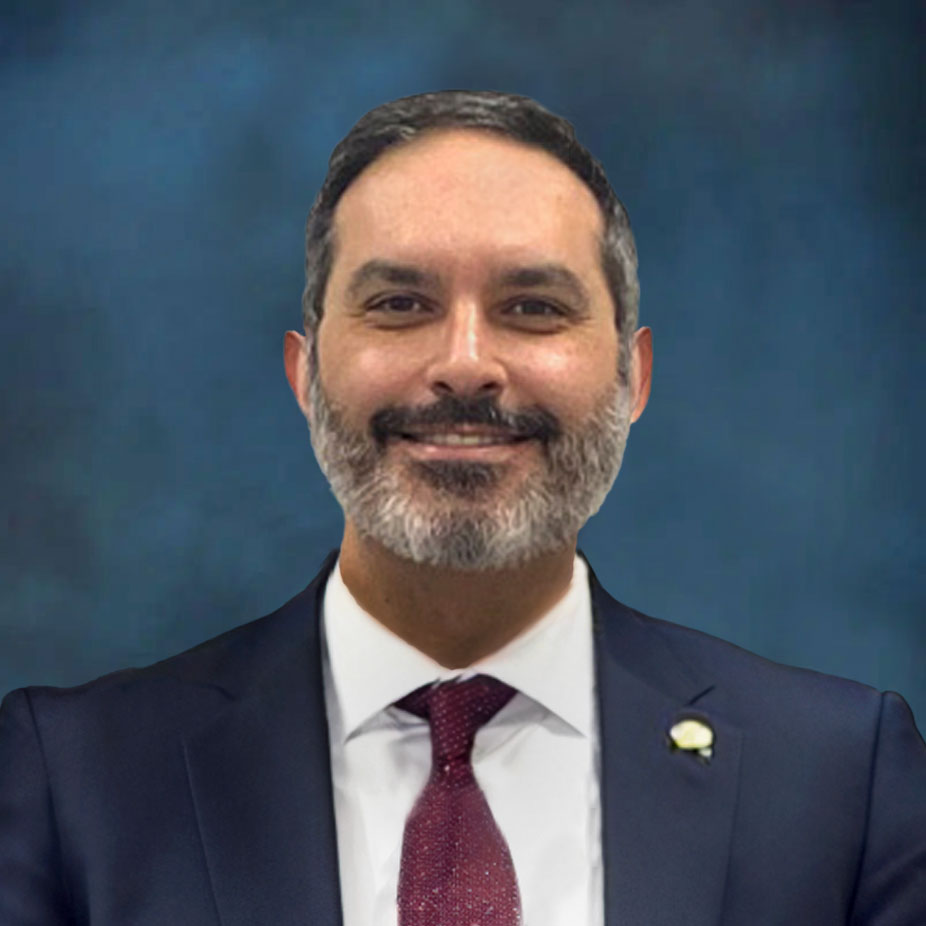
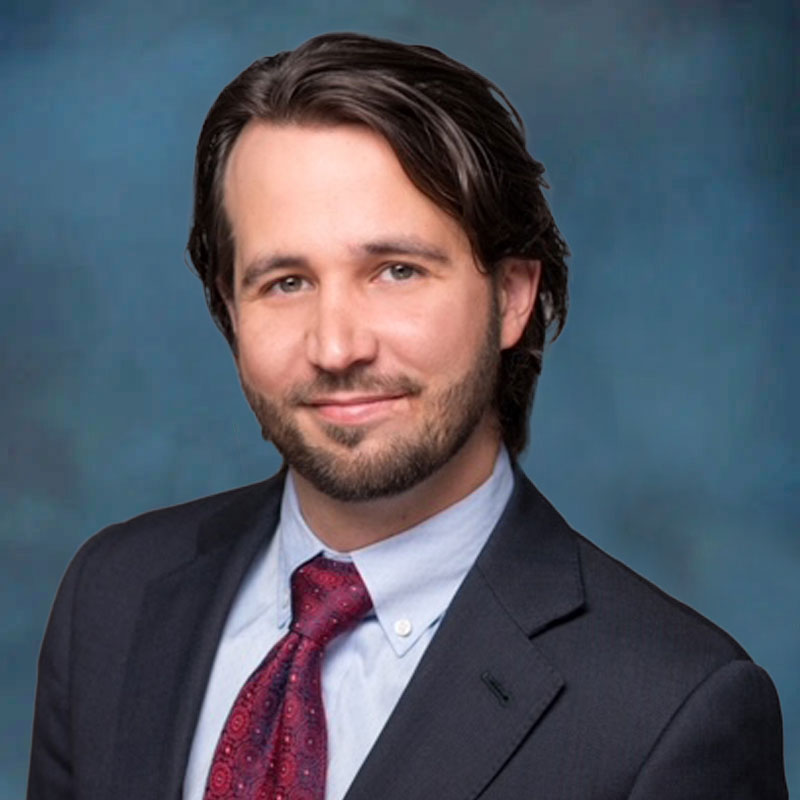

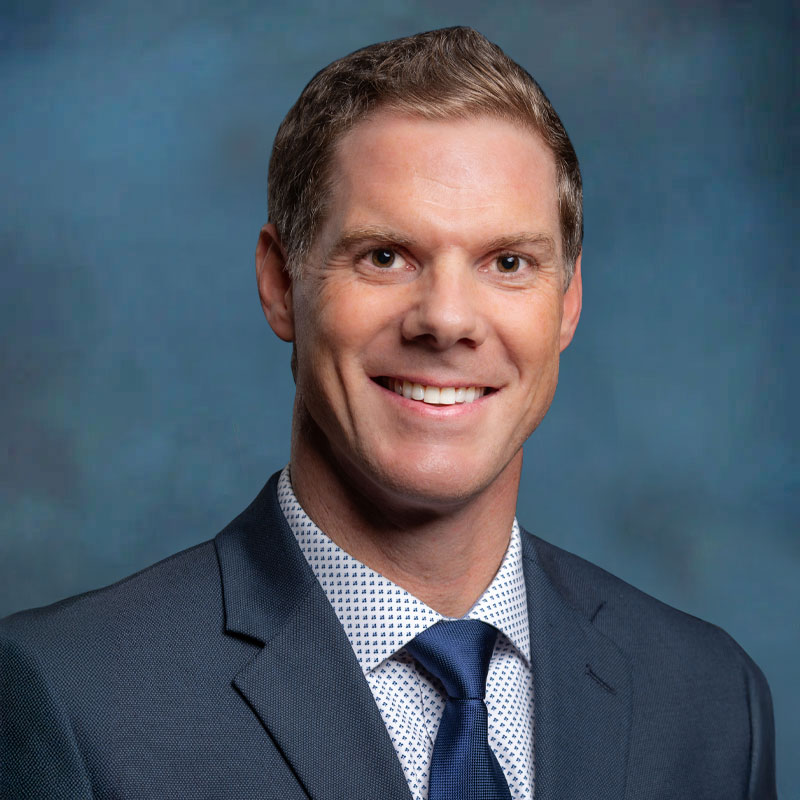
At Michigan Center for Regenerative Medicine, we provide individualized guidance for patients considering regenerative medicine treatment in Grand Rapids, MI. Our experienced team evaluates your condition, discusses appropriate options, and develops a plan based on your health needs and goals. We explain each step clearly, including potential benefits, limitations, and follow-up care. If you’re exploring regenerative medicine, contact us to schedule a consultation and determine whether treatment may be appropriate for you.
It Will Greatly Benefit You to Consider Regenerative Medicine in Grand Rapids MI
If you want to give your body the helping hand that it needs to recover from your chronic pain condition or an ailment that just doesn’t seem to want to go away, then you should seriously consider regenerative medicine in Grand Rapids, as performed by the Michigan Center for Regenerative Medicine. If you are in Grand Rapids and want to speak to someone about the benefits of regenerative medicine, call us at (616) 288-1109, or reach out to us using our online contact form.


Visit Our Grand Rapids Clinic
Michigan Center for Regenerative Medicine – Grand Rapids
1000 E. Paris Ave SE, Suite 221, Grand Rapids, MI 49546
(616) 288-1109 · Monday–Friday, 9:00 am–4:30 pm
Patients from across West Michigan visit our Grand Rapids office for PRP, stem cell therapy, prolotherapy and other non-surgical treatments.
Take Advantage of Regenerative Medicine Provided by Board-certified Doctors
Contact Michigan Center for Regenerative Medicine Today and Discover If You are a Candidate. Visit our new location at 1000 E. Paris Ave SE Suite 221, Grand Rapids, MI 49546.
Related searches in cities near you:
- Regenerative Medicine Northville, MI
- Regenerative Medicine Troy MI
- Regenerative Medicine Rochester Hills MI
- Regenerative Medicine Bloomfield Hills MI
- Regenerative Medicine Detroit MI
- Regenerative Medicine Birmingham MI
- Regenerative Medicine Metro Detroit
- Regenerative Medicine Novi MI
- Regenerative Medicine Shelby Township MI
- Regenerative Medicine West Bloomfield MI
- Regenerative Medicine Near You
- Regenerative Medicine near Ann Arbor MI
- Regenerative Medicine near Pontiac MI
- Regenerative Medicine Rochester MI
- Regenerative Medicine near Plymouth MI
- Regenerative Medicine Near Dearborn MI
- Regenerative Medicine near Wixom MI
- Regenerative Medicine Near Livonia MI
- Regenerative Medicine Milford MI
- Regenerative Medicine Warren MI
- Regenerative Medicine Sterling Heights MI
- Regenerative Medicine Lansing MI
- Regenerative Medicine Flint MI
- Regenerative Medicine Farmington MI
- Regenerative Medicine Near Farmington Hills MI
- Regenerative Medicine Near Beverly Hills MI
- Regenerative Medicine Near Southfield MI
- Regenerative Medicine Washtenaw County MI
- Regenerative Medicine Pleasant Ridge MI
- Regenerative Medicine Midtown Detroit MI
- Regenerative Medicine Romulus MI
- Regenerative Medicine Corktown Detroit MI
- Regenerative Medicine near Clawson MI
- Regenerative Medicine Near Berkley MI
- Regenerative Medicine Near Wyoming MI