
Physical Medicine Doctors in Grand Rapids MI
Physical medicine doctors in Grand Rapids, MI, evaluate pain, mobility, strength, balance, and how symptoms affect daily activities. They may recommend individualized care, including rehabilitation, exercise, medication management, activity guidance, or further testing when appropriate.
Treatment depends on each patient’s symptoms, medical history, examination findings, and goals. Michigan Center for Regenerative Medicine focuses on regenerative medicine and may coordinate with existing clinicians. The following information outlines what to weigh when exploring care options.
Main Takeaways
- Physical medicine doctors in Grand Rapids, MI, evaluate pain, mobility, strength, balance, and how symptoms affect daily activities.
- They commonly assess back and neck pain, injuries, nerve symptoms, and mobility challenges after illness, surgery, or injury.
- Care may include rehabilitation, therapeutic exercise, medication management, activity guidance, assistive devices, or referrals.
- Before an appointment, note your symptoms and goals, and gather relevant medical records, test results, and medication lists.
- Ask local practices about accepted insurance, services, referrals, and appointment availability; seek prompt assessment for worsening weakness or numbness.
How Michigan Center for Regenerative Medicine Can Help With Your Physical Medicine Doctors
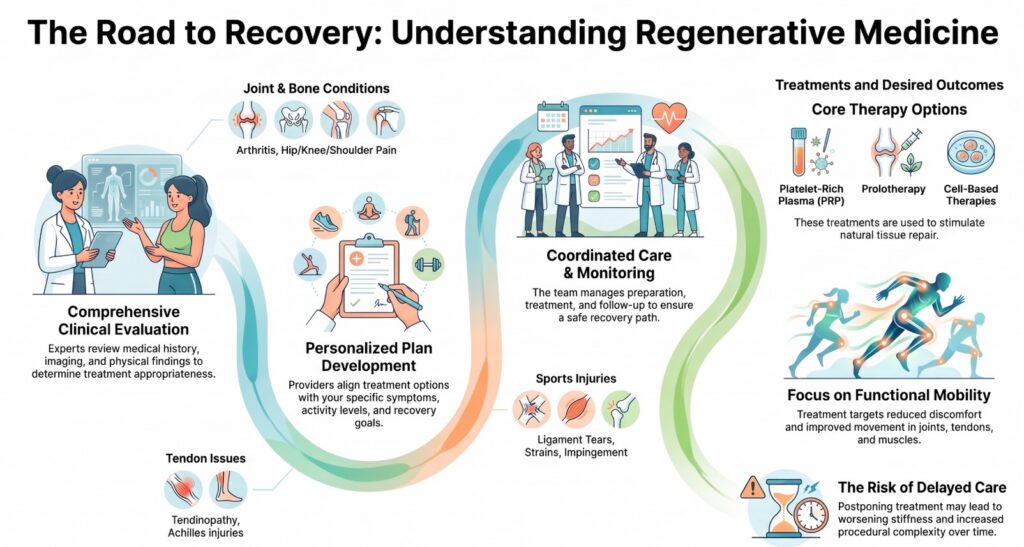
Michigan Center for Regenerative Medicine can complement care from physical medicine doctors in Grand Rapids by offering evaluation and treatment options tailored to each patient’s condition, goals, and medical history. Its clinicians can review prior assessments, discuss current concerns, and explain whether regenerative approaches may be appropriate alongside an existing care plan. Recommendations depend on individual circumstances and available clinical evidence; no treatment is suitable for every patient.
Patient education supports informed decisions. Clinicians can describe potential benefits, limitations, risks, costs, and alternatives in clear language, allowing patients to weigh options without pressure. When a patient chooses to proceed, care coordination with the physical medicine doctor may help align recommendations, share relevant records, and clarify follow-up responsibilities, with the patient’s consent.
This collaborative approach can reduce fragmented communication and keep care focused on the person’s priorities. Patients are encouraged to ask questions, disclose relevant health information, and consult their established clinician before changing or adding treatment. The goal is thoughtful, coordinated support, not replacing ongoing medical care.
Understanding What Physical Medicine Doctors in Grand Rapids MI, Can Do for Your Health
Beyond coordinating with other clinicians, physical medicine doctors in Grand Rapids, MI, help patients manage pain, restore movement, and improve daily function. Their work centers on understanding how health concerns affect a person’s independence, responsibilities, and ability to participate in community life. A thorough evaluation may include reviewing medical history, evaluating mobility and strength, and identifying barriers to everyday activities.
Based on these findings, a physician may develop an individualized plan that combines rehabilitation guidance, medication management, or other appropriate therapies. Progress is monitored, and recommendations can be adjusted as function changes. Patients may also receive practical instruction on safe movement, pacing, and gradual strength-building.
Daily habits, including activity levels, sleep, and posture, can influence recovery and long-term function. By addressing these factors, physical medicine doctors support preventive wellness and help patients maintain gains beyond the clinic. Their goal is meaningful improvement that fits each patient’s needs, priorities, and daily life.
“After a series of facet and nerve blocking without feeling much improvement, I was referred to Dr. Nabity, who was very caring and supportive. I’ve been seeing Dr. Nabity for over a year and a half. I was suffering from very bad chronic pain after my car accident. He is one of the best doctors I have been to. He listens to the issues I have and works out a plan with me. He takes the time to explain what is going on and helps me understand. He also has a great sense of humor. He recommended the PRP (platelet rich plasma) injections. After the first sets of injections I was able to feel the improvement. I have done the PRP injections 3 times so far and it’s been helpful. I’m very happy with his care and concern for my well-being. I would highly recommend Dr. Nabity.” – Rosanna K. Sterling Heights, MI
Office Hours:
| Monday | 9:00 am – 4:30 pm |
| Tuesday | 9:00 am – 4:30 pm |
| Wednesday | 9:00 am – 4:30 pm |
| Thursday | 9:00 am – 4:30 pm |
| Friday | 9:00 am – 4:30 pm |
| Saturday | Closed |
| Sunday | Closed |
Map:
Treatable Conditions from Board-certified Doctors
- Muscle Pain Treatment
- Spine Pain Treatment
- Treatment Injuries
- PRP Treatment for Hair Restoration
- Nerve Pain Treatment
- Chronic Pain Treatment
- Treatment for Tendon Tears
- Ankle and Foot Pain Treatment
- Treatment For Muscular Weakness
- Arthritis and Bursitis Treatment
- Ankle and Foot Pain Treatment
- Treatment For Muscular Weakness
- Spinal Stenosis Treatment
- Diabetic Neuropathy Treatment
- Herniated Discs of the Spine
- Hip Pain Treatment
- Muscle And Tendon Sprain and Strain
- Treatment For Knee Cartilage Lesions
- Male Erectile Regeneration
- Ligament Strain Treatment
- Female Pelvic Floor Regeneration
- Regenerative Skin Care
- Degenerative Disc Disease Treatment
- Musculoskeletal Pain Treatment
- Osteoarthritis Treatment
- Plantar Fasciitis Treatment
- Sports Injury Treatment
- Sciatica Treatment
- Joint Pain Treatment
- Knee and Shoulder Pain Treatment
- Wrist and Hand Pain Treatment
- Tendinitis Treatment
- Meniscus Tears in the Knee
- Treatment for Tennis Elbow
- Tension Headache Treatment
- Lumbar Disc Herniation Treatment
- Sacroiliac (SI) Joint Dysfunction
- Lower Back and Bone Pain Treatment
- and Other Treatment Related to Muscle, Tendon, and Bone Trauma
Michigan Center for Regenerative Medicine Testimonials
Here’s What Our Patients Had to Say on Google


Take Advantage of Regenerative Medicine Provided by Board-certified Doctors
Contact Michigan Center for Regenerative Medicine Today and Discover If You are a Candidate. Visit our new location at 1000 E. Paris Ave SE Suite 221, Grand Rapids, MI 49546.
Common Conditions That May Benefit From Physical Medicine Doctors in Grand Rapids, MI
Physical medicine doctors in Grand Rapids, MI, may assess back and neck pain, joint and muscle injuries, and nerve-related symptoms such as numbness or weakness. They also evaluate mobility and balance challenges that can affect daily activities. Care recommendations depend on each patient’s symptoms, function, and clinical findings.
Back and Neck Pain
Back and neck pain can limit movement, disrupt sleep, and make everyday tasks difficult. Physical medicine doctors in Grand Rapids, MI assess symptoms, medical history, and function to identify contributing factors and guide appropriate care. Evaluation may include checking mobility, posture, strength, and nerve-related signs.
Treatment plans are tailored to each person’s needs and goals. Depending on the findings, care may include therapeutic exercise, activity guidance, medication review, or other nonsurgical approaches. Patients may also receive practical advice on Sleep positioning and ergonomic adjustments to reduce avoidable strain during rest, work, and daily activities.
Persistent, worsening, or unexplained pain warrants professional assessment, especially when accompanied by weakness, numbness, or changes in coordination. Coordinated care can help patients manage symptoms, preserve independence, and return to meaningful routines with appropriate support.
Joint and Muscle Injuries
Joint and muscle injuries can affect strength, mobility, and daily function, whether they result from sports, work, or routine activities. Physical medicine doctors in Grand Rapids, MI can assess these problems and develop individualized plans to support safe recovery. Sports injuries may include sprains, strains, and joint damage, while overuse injuries can develop gradually from repeated movements or insufficient recovery. Evaluation may consider pain, swelling, range of motion, strength, and the demands of a person’s daily activities. Treatment can include therapeutic exercise, activity modification, and other nonsurgical approaches suited to the injury and the patient’s goals. A coordinated plan may help patients regain function, reduce the risk of reinjury, and return to meaningful responsibilities at an appropriate pace. Persistent or worsening symptoms warrant professional assessment to guide care and recovery.
Nerve-Related Symptoms
Nerve-related symptoms, such as numbness, tingling, burning pain, or weakness, can interfere with movement and everyday activities. These concerns may arise when nerves are compressed, irritated, or affected by conditions such as diabetes or spinal disorders. A physical medicine doctor can assess symptom patterns, medical history, and physical findings to help identify possible causes of nerve signal disruption. Evaluation may include testing sensation, reflexes, and muscle strength, with additional studies recommended when clinically appropriate. Care is tailored to the individual and may involve medication, therapeutic exercise, activity guidance, or referral for further evaluation. By addressing tingling sensations and related discomfort, clinicians aim to support daily function and improve quality of life. Prompt assessment is especially important when symptoms are sudden, progressive, or accompanied by significant weakness.
Mobility and Balance Challenges
Difficulty walking, unsteadiness, or reduced coordination can make daily activities less safe and more demanding. These challenges may follow a stroke, injury, surgery, chronic pain, or conditions affecting the joints, muscles, nerves, or inner ear. Physical medicine doctors in Grand Rapids MI can assess strength, range of motion, sensation, balance, and walking patterns to identify contributing factors and guide care.
Treatment may include gait training, therapeutic exercise, assistive-device recommendations, or coordination with physical and occupational therapists. A tailored plan can address functional goals, such as climbing stairs, transferring safely, or walking longer distances. Fall prevention may involve reviewing home hazards, footwear, medications, and balance strategies. Progress is monitored and care adjusted as abilities change. Timely evaluation can help reduce avoidable risks and support safer participation in daily routines and community life.
Your Treatment Options for Physical Medicine Doctors in Grand Rapids MI
Treatment options from physical medicine doctors in Grand Rapids, MI, are tailored to each patient’s diagnosis, symptoms, and functional goals. Care may combine rehabilitation, symptom relief, and practical support to help people regain independence and participate more fully in daily life.
A coordinated plan may include:
- Therapeutic exercise: Guided strengthening, stretching, and balance activities can improve mobility and build confidence in everyday tasks. Progress is adjusted to ability and response.
- Medication management: Clinicians may review medicines to address pain or other symptoms while considering benefits, risks, and interactions. The aim is to support function without unnecessary treatment.
- Adaptive approaches: Assistive devices, activity modification, and ergonomic strategies can reduce strain at home, work, or during caregiving. These adjustments may help patients conserve energy and remain involved in meaningful routines.
Depending on the condition, care may also include injections or other targeted procedures. Ongoing assessment helps clinicians refine treatment and align it with changing needs, priorities, and functional progress.

Steps to Take Before Starting Physical Medicine Doctors in Grand Rapids, MI
Before an appointment, patients can identify their main symptoms, functional goals, and concerns to help guide care. Gathering relevant medical records, imaging results, and medication lists gives the doctor useful clinical context. Preparing questions about evaluation, treatment options, and expected outcomes can support an informed discussion.
Identify Your Needs
Understanding your symptoms and goals helps you make the most of an appointment with a physical medicine doctor in Grand Rapids, MI. Before scheduling, patients can identify the activities affected by pain, weakness, limited mobility, or other concerns. Symptom Tracking may reveal patterns, such as when discomfort begins, what worsens it, and which measures provide relief. These observations help the physician assess function and discuss appropriate next steps.
Patients can also consider what they hope to achieve, such as returning to work, improving balance, or managing pain during daily tasks. Clear priorities support shared decision-making and Personalized Care tailored to each person’s circumstances. Noting questions in advance can make the visit more focused and help patients communicate concerns effectively. This preparation also enables clinicians to understand practical needs and recommend realistic treatment goals.
Gather Medical Records
Organized medical records help physical medicine doctors in Grand Rapids, MI, understand a patient’s health history and avoid repeating evaluations. Before an appointment, patients can gather recent imaging reports, laboratory results, expert notes, medication lists, and records related to the condition being treated. Complete documentation may help clinicians assess prior care, identify relevant risks, and coordinate services with other providers.
Records may need to be requested from hospitals, clinics, or former physicians. A Record request timeline allows time for processing and follow-up, especially when multiple organizations are involved. Patients can confirm whether the new practice accepts electronic files, paper copies, or direct transfers. Keep copies in secure file storage, with access limited to appropriate caregivers. Organized records support continuity of care and help the clinical team make informed decisions based on the patient’s documented history.
Prepare Questions
Preparing questions in advance can help patients use an appointment with physical medicine doctors in Grand Rapids, MI, effectively. A written list keeps concerns organized and helps patients explain how pain, weakness, or limited movement affects daily activities. Questions may address possible causes, recommended evaluations, treatment options, expected benefits, risks, and alternatives. Patients can also ask how progress will be measured and when a plan may need adjustment.
Clear Treatment goals help clinicians tailor care to each person’s priorities, such as returning to work, improving mobility, or managing symptoms. Patients may ask what they can do between visits, including exercises or activity changes, and which signs warrant follow-up. Effective provider communication supports shared decision-making and clarifies instructions. Bringing the list, along with relevant medical records, can make the discussion more focused and useful for both patient and clinician.
How a Physical Medicine Doctor in Grand Rapids, MI Can Help You
When pain, weakness, or limited mobility interferes with daily activities, a physical medicine and rehabilitation physician in Grand Rapids, MI, can assess the underlying problem and recommend a personalized plan. Evaluation may include a review of medical history, movement, strength, and relevant diagnostic findings. The physician can coordinate care with therapists and other clinicians, focusing on measurable goals that support independence and participation in meaningful roles.
A plan may combine exercise, medication, education, or procedures, depending on the diagnosis and individual needs.
This coordinated approach can support:
- Returning to a valued activity, such as preparing meals for family or volunteering.
- Building confidence through gradual, supervised progress toward practical goals.
- Finding Pain management strategies that make Daily function more manageable.
Progress is monitored and recommendations adjusted as needed. By addressing physical barriers with evidence-informed care, the physician helps patients work toward safer movement, greater self-reliance, and fuller involvement in the relationships and responsibilities that matter to them.
Long-Term Effects of Delaying Physical Medicine Doctors
Delaying evaluation by a physical medicine doctor may allow pain and stiffness to persist. Over time, limited movement can reduce mobility and make daily activities harder. As symptoms progress, treatment may become more complicated.
Persistent Pain and Stiffness
Persistent pain and stiffness can develop when musculoskeletal problems go untreated, limiting mobility and making everyday activities more difficult. Ongoing discomfort may interfere with sleep, concentration, and the ability to meet work or caregiving responsibilities. Pain flare-ups can occur with activity or after long periods of rest, while stiffness patterns may be more noticeable in the morning or after sitting. These changes can reflect persistent inflammation, tissue irritation, or altered movement habits, though their causes vary. A physical medicine doctor can assess symptoms, identify contributing factors, and recommend an individualized plan that may include therapeutic exercise, medication, or other conservative care. Timely evaluation can help patients understand their condition and manage symptoms before they become more disruptive. Care tailored to daily demands can support comfort and participation in valued roles.
Reduced Mobility Over Time
Ongoing pain and stiffness may gradually limit joint motion, strength, and balance, making walking, reaching, or completing daily tasks more difficult. When these changes persist without appropriate evaluation, a person may avoid movement that triggers discomfort. This gradual decline in activity can reduce endurance and confidence, while less movement may further weaken muscles and affect balance. Limitations in everyday tasks can emerge in activities such as dressing, preparing meals, climbing stairs, or helping family members. Reduced participation may also restrict social contact and valued routines, affecting overall well-being. Physical medicine doctors can assess mobility concerns, identify contributing factors, and recommend an individualized plan to support safe movement and function. Timely attention may help people maintain independence and continue serving others in their homes, workplaces, and communities. Each person’s needs and progress will vary.
Increased Treatment Complexity
When pain or movement limitations go unevaluated, related problems may develop and make care more complicated. A person may change how they walk, work, or complete daily tasks, placing extra strain on other areas. Over time, persistent symptoms can overlap with weakness, reduced endurance, or difficulty managing routine responsibilities. This can make treatment decisions more difficult, as clinicians must consider several contributing factors rather than a single concern. A physical medicine doctor can assess function, identify relevant conditions, and help establish Coordinated care planning with other professionals when needed. Earlier evaluation may clarify which therapies, activity adjustments, or further assessments are appropriate. For caregivers and support teams, timely guidance can help align assistance with the person’s goals and abilities. A tailored plan may reduce avoidable barriers while supporting safe, meaningful participation in daily life.
Identifying the Underlying Cause of Your Physical Medicine Doctor’s Symptoms
Because pain, weakness, or limited movement can stem from several conditions, physical medicine doctors in Grand Rapids, MI, assess symptoms alongside medical history, physical findings, and functional goals. This process helps distinguish musculoskeletal, neurologic, and other contributors to difficulty with daily activities.
A clinician may ask when symptoms began, what worsens or eases them, and how they affect work, mobility, sleep, or caregiving. Symptom tracking can reveal patterns over time and help patients describe changes accurately. The examination may assess strength, sensation, joint motion, balance, and movement mechanics.
When findings warrant further evaluation, Diagnostic testing may include imaging, nerve studies, or laboratory work. Tests are selected to answer specific clinical questions rather than used routinely. Results are interpreted with the history and examination, since a scan alone may not explain a person’s limitations. By identifying likely causes, the care team can recommend targeted treatment, monitor meaningful outcomes, and support safer participation in valued responsibilities and community life.
Cost Factors for Physical Medicine Doctors in Grand Rapids MI
The cost of care from physical medicine doctors in Grand Rapids, MI, depends on the services provided, insurance coverage, and where treatment is delivered. An initial evaluation, follow-up visits, diagnostic imaging, and rehabilitation services may each have separate charges. Costs can also vary by clinic, provider, and whether care takes place in an office, hospital, or outpatient facility.
Insurance coverage is an important factor. Plan benefits, deductibles, copayments, coinsurance, referral requirements, and network status can affect the amount a patient owes. Coverage for specific therapies or procedures may differ, so patients can confirm benefits and authorization requirements with their insurer and the clinic before scheduling.
For those paying out of pocket, clinics may provide estimates based on the planned services. Some offer payment plans or financial assistance, although availability and terms vary. Asking for an itemized estimate and clarifying which services are included can help patients compare options and plan expenses. Transparent cost discussions support informed decisions while helping patients access appropriate care.
What to Expect From Your Physical Medicine Doctors in Grand Rapids, MI
A visit with a physical medicine doctor in Grand Rapids, MI, typically begins with a review of symptoms, medical history, medications, and prior test results. The doctor may ask how pain or limited movement affects daily activities, work, sleep, and independence. A physical examination can assess strength, flexibility, balance, sensation, and movement patterns. Depending on the findings, the doctor may review existing imaging or recommend appropriate tests to clarify the source of symptoms.
Doctor-patient communication is central to this process. Patients can expect clear explanations of findings, care options, potential benefits and risks, and ways to participate in decisions. The plan may include rehabilitation, medication management, activity guidance, or coordination with other clinicians, according to individual needs. Patients should share concerns and mention changes in symptoms or practical barriers to care. Follow-up scheduling helps the doctor monitor progress, assess response to the plan, and adjust it as needed. The timing depends on symptoms, treatment, and clinical judgment.
Why You Need an Experienced Regenerative Medicine Center in Grand Rapids, MI
Choosing an experienced regenerative medicine center in Grand Rapids, MI, can help patients receive an appropriate evaluation and realistic guidance about treatment options. Regenerative approaches may be considered for certain musculoskeletal conditions, but their evidence, benefits, and limitations vary. A qualified team can review a patient’s history, examine symptoms, and determine whether a proposed therapy is appropriate or whether established care is better supported.
Clinical knowledge also helps patients understand potential risks, expected recovery, and the uncertainty surrounding emerging treatments. This careful discussion supports informed decisions rather than promises of assured outcomes. Treatment innovation can expand options, yet new procedures should be assessed against credible research and individual needs. An experienced center can coordinate care with other clinicians, monitor progress, and adjust recommendations when outcomes or circumstances change. Such thoughtful oversight can protect patient well-being while helping people pursue meaningful improvements in function, comfort, and participation in daily life. It also supports responsible use of evolving therapies and clear communication with patients and their families.
How to Choose the Right Grand Rapids MI Regenerative Medicine Center
With regenerative medicine options varying in evidence and suitability, patients can compare Grand Rapids, MI, centers by reviewing clinician credentials, the research supporting proposed treatments, and how clearly benefits, risks, and alternatives are explained. Provider credentials should include relevant medical training, licensure, and experience evaluating the condition being treated. Patients can ask whether a clinician has assessed their health history, reviewed standard care options, and explained why a regenerative approach may or may not be appropriate.
Treatment transparency is equally important. A center should identify the specific procedure, describe the evidence and its limitations, discuss possible complications, and provide clear information about costs and follow-up. Patients should be cautious of guaranteed outcomes, pressure to purchase treatment, or claims that exceed established research. A careful consultation allows time for questions and supports informed consent. By comparing these factors, patients and families can select a center that prioritizes individualized assessment, realistic expectations, and respectful decision-making while keeping the patient’s broader health needs in view.
About Michigan Center for Regenerative Medicine
Michigan Center for Regenerative Medicine is a Grand Rapids clinic focused on evaluating and providing regenerative medicine treatments. Its services may interest people seeking options for musculoskeletal pain or impaired function. A careful evaluation helps determine whether a treatment is appropriate by considering symptoms, medical history, prior care, and individual goals. Patients can ask how proposed therapies are supported by current evidence, what benefits and risks are known, and which alternatives are available.
Clinic history can provide context about the center’s experience and its approach to patient care. Prospective patients may review published information about its services and confirm details directly with the clinic. Provider credentials are also important: patients can verify clinicians’ licenses, specialty training, and relevant experience through state licensing resources and professional organizations. Clear explanations, realistic expectations, and informed consent support sound decisions. For people balancing health needs with family or community responsibilities, coordinated care and practical follow-up plans may make treatment decisions more manageable.

Frequently Asked Questions
Do I Need a Referral to See a Physical Medicine Doctor in Michigan?
A referral is not always required to see a physical medicine and rehabilitation doctor in Michigan. Whether one is needed depends on the patient’s health insurance plan, the clinic’s policies, and the type of care sought. For expert access, patients should check their plan’s network and referral rules or contact the clinic before scheduling. A primary care clinician can help coordinate records and care when a referral is required, supporting an informed, timely visit.
What Should I Bring to My First Physical Medicine Appointment?
For a first physical medicine appointment, patients should bring photo identification, insurance information, a medication list, relevant test results, and contact details for other treating clinicians. A concise Medical history—including prior diagnoses, procedures, allergies, and current symptoms—can help the clinician understand their needs. Comfortable clothing allows easier movement during an examination. Patients may also bring questions, mobility aids, and a trusted support person if helpful. Appointment requirements can vary by clinic.
How Long Does a Typical Physical Medicine Appointment Last?
A typical physical medicine appointment lasts about 30 to 60 minutes, though timing varies by visit type. Appointment Length Factors include symptom complexity, medical history review, examination, and whether treatment or testing is provided. New-patient visits may take longer than routine follow-ups. Follow-up visit timing depends on the care plan, response to treatment, and clinician recommendations; scheduling should allow enough time for questions and shared decisions.
Can I See a Physical Medicine Doctor Through Telehealth?
Yes, many physical medicine doctors offer telehealth visits, depending on the patient’s needs and the clinic’s services. Virtual appointments may support initial discussions, treatment planning, medication reviews, and follow-up care, while examinations requiring hands-on assessment may need an in-person visit. Telehealth follow-up options can help patients maintain continuity between appointments, and virtual pain consultations may address symptoms and next steps. The care team can clarify suitability, technology requirements, privacy practices, and scheduling.
Does Insurance Cover Visits to Physical Medicine Doctors?
Insurance Coverage for visits to physical medicine doctors varies by plan, provider network, and the services received. Many plans cover medically necessary evaluations and treatment, but referrals, prior authorization, or visit limits may apply. Patients can confirm benefits by contacting their insurer and the doctor’s office before scheduling. They should ask about copayments, deductibles, and coinsurance to estimate out-of-pocket costs and avoid unexpected bills while planning care.
—————————
Choosing physical medicine doctors in Grand Rapids, MI, starts with understanding the cause of symptoms, treatment goals, and available options. A thorough evaluation can help patients make informed decisions about rehabilitation, pain management, and whether regenerative therapies may be appropriate. Michigan Center for Regenerative Medicine offers consultations to discuss individual needs and care possibilities. Patients should ask about expected benefits, risks, and alternatives, and work with qualified clinicians to develop a plan suited to their health and circumstances. When appropriate, coordinate with your existing providers to ensure decisions remain individualized, informed, and medically responsible.
Your Regenerative Medicine Team of Board-certified Physicians


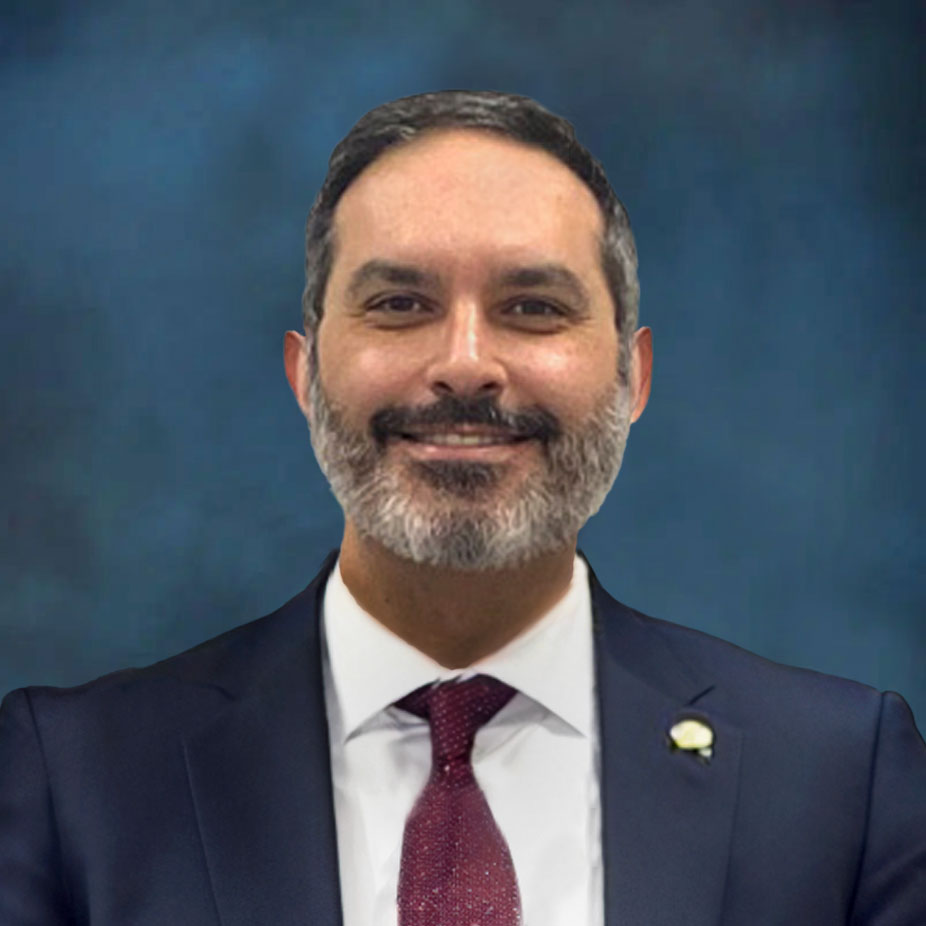


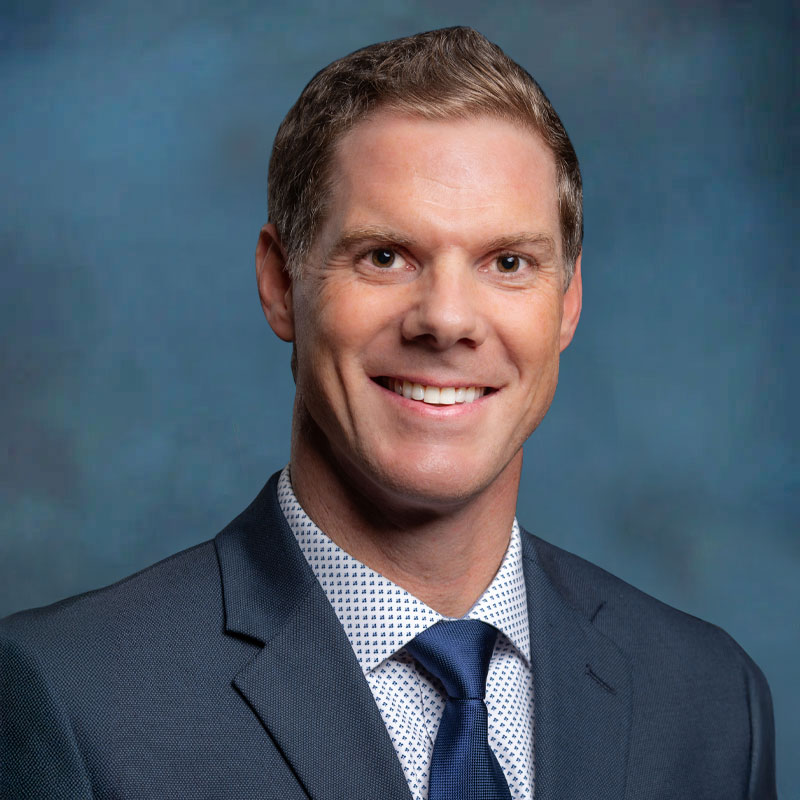
At Michigan Center for Regenerative Medicine, we provide individualized guidance for patients considering regenerative medicine treatment in Grand Rapids, MI. Our experienced team evaluates your condition, discusses appropriate options, and develops a plan based on your health needs and goals. We explain each step clearly, including potential benefits, limitations, and follow-up care. If you’re exploring regenerative medicine, contact us to schedule a consultation and determine whether treatment may be appropriate for you.
It Will Greatly Benefit You to Consider Regenerative Medicine in Grand Rapids MI
If you want to give your body the help it needs to recover from chronic pain or an ailment that just won’t go away, seriously consider regenerative medicine in Grand Rapids, as performed by the Michigan Center for Regenerative Medicine. If you are in Grand Rapids and want to learn more about the benefits of regenerative medicine, call us at (616) 288-1109 or reach out through our online contact form.


Take Advantage of Regenerative Medicine Provided by Board-certified Doctors
Contact Michigan Center for Regenerative Medicine Today and Discover If You are a Candidate. Visit our new location at 1000 E. Paris Ave SE Suite 221, Grand Rapids, MI 49546.
Related searches in cities near you:
- About
- Contact
- Home Page
- Treatable Conditions
- Non-Surgical Treatment
- Using Your Body’s Stem Cells
- Platelet Rich Plasma (PRP)
- Thomas Nabity, MD
- Arthritis Repair
- FAQ
- Pain Relief
- Terminology
- Testimonials
- Blog
- Thank You
- Plasma Injections in Michigan
- Regenerative Medicine Michigan
- Stem Cell Treatments Michigan
- Sitemap
- Stem Cell Therapy Michigan
- Prolotherapy Michigan
- Stem Cell Banking
- Insurance Accepted
- Stem Cell Therapy for Knees Michigan
- PRP Treatment Michigan
- Hormone Replacement Therapy in Michigan
- Hormone Replacement Therapy near Ohio
- John Santa Ana, DO
- Stem Cell Storage Michigan
- Regenerative Medicine Ohio
- PRP Injections Michigan
- Regenerative Medicine Windsor Canada
- Stem Cell Therapy Windsor Ontario
- PRP Injections Windsor Canada
- Stem Cell Therapy Windsor Canada
- Prolotherapy Knee Cartilage Regeneration in Michigan
- Media
- Knee Pain Doctor in Michigan
- Rotator Cuff Pain Doctor Michigan
- Physiatrist Michigan
- Physical Medicine Doctor in Michigan
- Shoulder Pain Doctor Michigan
- Back Pain Doctor in Michigan
- Services
- Webinar Registration
- Newsletters
- Videos 2020
- Nerve Pain Stimulation
- Notice of Privacy Practices
- EMG Testing in Michigan
- Out-of-Town Patients
- PRP Treatment for Hair Restoration in Michigan
- Resources
- Interventional Orthopedics in Michigan
- Robert Farhat, DO
- Shop
- Cart
- Checkout
- My account
- Locations
- Testimonials Page 2
- Treatment for Knee Pain Michigan
- Female Pelvic Floor Regeneration in Michigan
- PRP Treatment for Hair Restoration
- Female Pelvic Floor Regeneration
- Review Request
- Patient Feedback Form
- Patient Thank You Survey
- Kevin M. Nemeth, MD
- John Steele, MD
- Back Pain Treatment in Michigan
- Shoulder Pain Treatment in Michigan
- O-shot Treatment for Women Rochester Hills, MI
- Functional Medicine in Michigan
- Orthobiologics Treatment in Michigan
- Christopher Hannasch, DO
- Joint Pain Treatment in Michigan
- Electromyogram Testing in Michigan
- PRP Treatment For Skin Care in Rochester Hills MI
- Prolotherapy Doctors Near You
- Neuropathy Stem Cell Treatment
- Spinal Pain Treatment near Rochester MI
- PRP Treatment for Woman Hair Loss in Oakland County
- Regenerative Orthobiologics in Michigan
- Treatment For Hair Loss in Rochester Hills, MI
- Treatment for Women’s Hair Loss in Rochester Hills, MI
- Stem Cell Therapy for Neuropathy
- Haley Sardelli, BSN, RN
- Kailee Sardelli, BSN, RN
- Cookie Consent
- Privacy Policy
- ADA Compliance
- Terms of Service
- Physical Medicine in Grand Rapids MI
- Sports Doctors in Grand Rapids MI