
Sports Doctors in Grand Rapids MI
The Michigan Center for Regenerative Medicine provides personalized regenerative medicine treatment in Grand Rapids, MI, beginning with a thorough evaluation of your symptoms, medical history, goals, and treatment options. Depending on your condition, we may discuss PRP, cell-based therapies, prolotherapy, or rehabilitation-supported care for joint pain, arthritis, sports injuries, and chronic tendon problems. We explain potential benefits, limitations, risks, costs, and expected timelines without guaranteeing results. Our experienced team coordinates preparation, treatment, monitoring, and follow-up.
Sports doctors in Grand Rapids, MI, evaluate injuries and musculoskeletal conditions that affect exercise, work, and daily activities. At the Michigan Center for Regenerative Medicine, patients can learn about care options.
Providers review symptoms, health history, training demands, and movement, then recommend appropriate care. Treatment may include activity adjustments, guided rehabilitation, medication, bracing, imaging, or referral for further evaluation.
Recovery plans and return-to-sport guidance depend on the diagnosis and individual goals. Patients can explore what to expect, how to prepare, and how to compare local care options.
Main Takeaways
- Sports doctors in Grand Rapids, MI, evaluate athletic injuries, joint pain, overuse conditions, and difficulties returning to activity.
- Look for relevant sports medicine experience, board certification, and services suited to your injury or activity goals.
- A sports medicine evaluation may include your health and training history, movement and strength checks, and imaging when appropriate.
- Treatment may involve physical therapy, guided exercise, activity adjustments, medication, bracing, or referral for further care.
- Before booking, check insurance and referral requirements, and bring medical records, imaging reports, medication details, and a symptom timeline.
How Michigan Center for Regenerative Medicine Can Help With Your Sports Doctors
Michigan Center for Regenerative Medicine can complement the care provided by sports doctors in Grand Rapids by evaluating musculoskeletal injuries and discussing treatment options based on each patient’s condition, goals, and medical history. Its clinicians can review prior assessments, imaging, and treatment responses to help patients understand available options and prepare informed questions for their sports doctors. This collaborative approach supports Care coordination while keeping decisions grounded in individual needs and clinical findings.
Patient advocacy is central to respectful care. Patients can receive clear explanations of potential benefits, limitations, risks, and costs before deciding whether to pursue a proposed treatment. When appropriate, the center can, with consent, share relevant findings with a patient’s existing healthcare team to reduce fragmented care and clarify next steps. The goal is to support—not replace—the relationship with a sports doctor. By encouraging shared decision-making and realistic expectations, the center can help patients and their care teams make choices aligned with health priorities, daily responsibilities, and personal goals.
Understanding What Sports Doctors in Grand Rapids, MI Can Do for Your Health
When an injury or persistent pain affects movement, sports doctors in Grand Rapids, MI, can assess the problem and guide care based on a patient’s symptoms, health history, and activity goals. Their role may include reviewing how movement, strength, and flexibility affect daily function, then recommending an individualized plan.
Care can involve coordinating with physical therapists or other clinicians, monitoring progress, and adjusting recommendations as a patient’s needs change. Depending on the assessment, a plan may include guided exercise, activity modification, medication, or further evaluation. Patients can discuss Athletic performance goals and practical responsibilities, such as returning safely to work, recreation, or caregiving.
Sports doctors can also explain injury prevention strategies, including appropriate conditioning, recovery, and technique adjustments. These steps may help patients make informed choices and reduce avoidable strain, though no approach can guarantee prevention. Clear communication supports shared decisions, helping patients understand options, expected timelines, and when follow-up is appropriate. The aim is to support safe participation and lasting function, not simply short-term symptom relief.
“After a series of facet and nerve blocking without feeling much improvement, I was referred to Dr. Nabity, who was very caring and supportive. I’ve been seeing Dr. Nabity for over a year and a half. I was suffering from very bad chronic pain after my car accident. He is one of the best doctors I have been to. He listens to the issues I have and works out a plan with me. He takes the time to explain what is going on and helps me understand. He also has a great sense of humor. He recommended the PRP (platelet rich plasma) injections. After the first sets of injections I was able to feel the improvement. I have done the PRP injections 3 times so far and it’s been helpful. I’m very happy with his care and concern for my well-being. I would highly recommend Dr. Nabity.” – Rosanna K. Sterling Heights, MI
Office Hours:
| Monday | 9:00 am – 4:30 pm |
| Tuesday | 9:00 am – 4:30 pm |
| Wednesday | 9:00 am – 4:30 pm |
| Thursday | 9:00 am – 4:30 pm |
| Friday | 9:00 am – 4:30 pm |
| Saturday | Closed |
| Sunday | Closed |
Map:
Treatable Conditions from Board-certified Doctors
- Muscle Pain Treatment
- Spine Pain Treatment
- Treatment Injuries
- PRP Treatment for Hair Restoration
- Nerve Pain Treatment
- Chronic Pain Treatment
- Treatment for Tendon Tears
- Ankle and Foot Pain Treatment
- Treatment For Muscular Weakness
- Arthritis and Bursitis Treatment
- Ankle and Foot Pain Treatment
- Treatment For Muscular Weakness
- Spinal Stenosis Treatment
- Diabetic Neuropathy Treatment
- Herniated Discs of the Spine
- Hip Pain Treatment
- Muscle And Tendon Sprain and Strain
- Treatment For Knee Cartilage Lesions
- Male Erectile Regeneration
- Ligament Strain Treatment
- Female Pelvic Floor Regeneration
- Regenerative Skin Care
- Degenerative Disc Disease Treatment
- Musculoskeletal Pain Treatment
- Osteoarthritis Treatment
- Plantar Fasciitis Treatment
- Sports Injury Treatment
- Sciatica Treatment
- Joint Pain Treatment
- Knee and Shoulder Pain Treatment
- Wrist and Hand Pain Treatment
- Tendinitis Treatment
- Meniscus Tears in the Knee
- Treatment for Tennis Elbow
- Tension Headache Treatment
- Lumbar Disc Herniation Treatment
- Sacroiliac (SI) Joint Dysfunction
- Lower Back and Bone Pain Treatment
- and Other Treatment Related to Muscle, Tendon, and Bone Trauma
Michigan Center for Regenerative Medicine Testimonials
Here’s What Our Patients Had to Say on Google


Take Advantage of Regenerative Medicine Provided by Board-certified Doctors
Contact Michigan Center for Regenerative Medicine Today and Discover If You are a Candidate. Visit our new location at 1000 E. Paris Ave SE Suite 221, Grand Rapids, MI 49546.
Common Conditions That May Benefit From Sports Doctors in Grand Rapids, MI
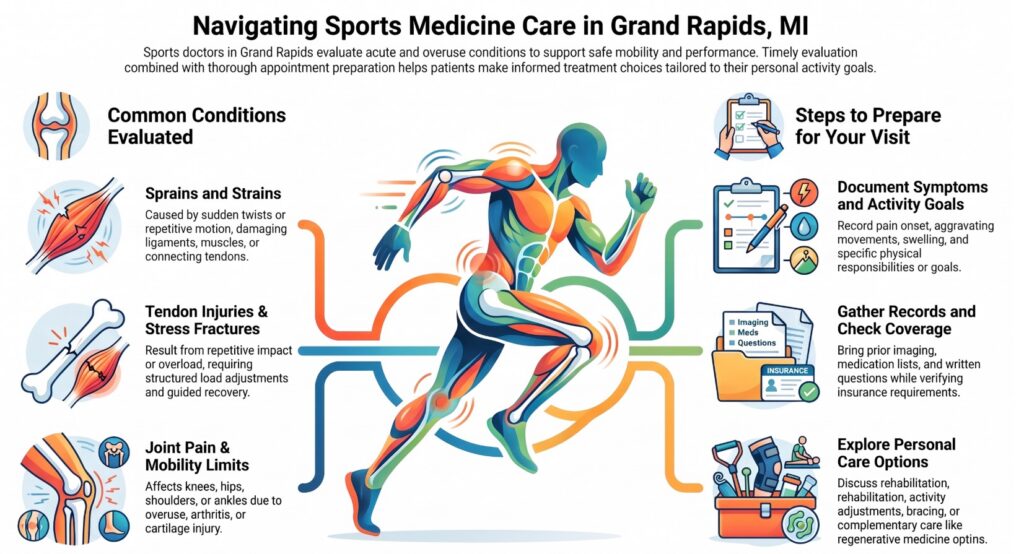
Sports doctors in Grand Rapids, MI, evaluate sprains and strains, tendon injuries, and stress fractures that can affect activity and mobility. They also assess joint pain to identify possible causes and guide appropriate care. Timely evaluation can help patients make informed decisions about treatment and returning to activity.
Sprains And Strains
Sprains and strains can limit movement and make everyday activities or exercise painful. A sprain affects a ligament, while a strain involves a muscle or the tissue connecting muscle to bone. Ligament tears and muscle overstretching may occur during sudden twists, falls, lifting, or repetitive activity. Symptoms can include pain, swelling, bruising, weakness, and reduced range of motion.
A sports doctor can assess the injury, identify its severity, and recommend care based on the affected area and the person’s needs. Evaluation may include a physical examination and, when indicated, imaging to rule out a fracture or more serious damage. Treatment often includes activity modification, ice, compression, elevation, and guided rehabilitation. Gradual return to activity can help restore strength and mobility while reducing the risk of reinjury. Prompt assessment is important when pain is severe or weight-bearing is difficult.
Tendon Injuries
Tendon injuries occur when the tissue connecting muscle to bone becomes irritated or damaged, often from repetitive loading or a sudden increase in activity. Tendon anatomy varies by location, but tendons generally transmit muscle force to bones and support controlled movement. Understanding tendon biomechanics helps sports doctors assess how training demands, technique, and recovery affect tissue capacity.
Common problems include tendinopathy, which may cause localized pain, stiffness, and reduced function, particularly during activity. Symptoms can develop gradually, though some injuries follow a sudden strain. A sports doctor can review activity history, examine the affected area, and determine whether imaging is appropriate. Care may include temporary load adjustment, guided rehabilitation, and a gradual return to sport. Early assessment can help patients manage symptoms, protect function, and avoid worsening irritation. Treatment plans are individualized to the person’s sport, goals, and response to care.
Stress Fractures
When repetitive impact or training increases faster than bone can adapt, a stress fracture may develop. These small cracks often affect the foot or lower leg and can cause localized pain that worsens with activity. Early assessment by a sports doctor can help distinguish bone stress from other causes and reduce the risk of progression. Evaluation may include a training history, physical examination, and imaging; early X-rays may not show a fracture, so further imaging can be considered when symptoms persist. Stress grading describes the severity of bone injury and helps guide care. Treatment commonly involves temporarily reducing impact, with activity adjusted to support recovery while maintaining safe fitness where appropriate. A gradual, supervised return to sport helps protect recovery. Clinicians can also review training load, nutrition, and other factors that influence bone health.
Joint Pain
Joint pain can affect the knee, hip, shoulder, or ankle and may arise from overuse, arthritis, cartilage injury, or other conditions. Sports doctors in Grand Rapids MI assess symptoms, activity demands, medical history, and examination findings to identify likely causes and guide care. Joint Pain Patterns, including when discomfort begins, what worsens it, and whether swelling or stiffness occurs, can help distinguish injuries from chronic conditions. Mobility Limitations may affect walking, lifting, or participation in sport and daily tasks. Evaluation may include imaging when indicated, followed by an individualized plan such as activity modification, rehabilitation, medication, or referral for further treatment. Early assessment can help protect function and support a safe return to movement. Clinicians can also explain warning signs and practical steps for managing symptoms while recovery progresses.
Your Treatment Options for Sports Doctors in Grand Rapids, MI
Treatment options from sports doctors in Grand Rapids, MI, depend on the injury, its severity, and the patient’s activity goals. A sports medicine clinician may assess movement, strength, and symptoms, then recommend care suited to safe participation in work, family, and community activities.
Conservative care is often appropriate before more invasive treatment, with recovery timelines shaped by the diagnosis, response to care, and demands placed on the injured area.
- Rehabilitation: Physical therapy may use guided exercises to restore mobility, strength, balance, and sport-specific function while limiting reinjury risk.
- Medication or supportive measures: Clinicians may recommend short-term pain relief, activity modification, bracing, or other supports when appropriate to reduce symptoms and protect mending tissue.
- Advanced treatment: Persistent or severe injuries may require imaging, injections, or referral for surgical evaluation; these options depend on clinical findings and individual risks.
Follow-up visits help clinicians monitor progress and adjust the plan. Clear guidance can support steady recovery while helping patients return to responsibilities safely.
Steps to Take Before Starting Sports Doctors in Grand Rapids, MI
Before seeking care, patients can assess their symptoms, activity goals, and preferred treatment needs. Comparing local sports medicine physicians’ qualifications and services can help identify an appropriate provider. Preparing a symptom history, medication list, and questions can make the first visit more productive.
Assess Your Needs
Understanding symptoms, activity goals, and medical history helps patients find the right sports medicine care in Grand Rapids, MI. Before seeking care, patients can note when discomfort began, where it occurs, and which movements make it better or worse. Recording swelling, weakness, reduced mobility, or recurring pain may help clinicians assess the concern. Patients should also consider whether they need support for an acute injury, a chronic condition, safe return to exercise, or injury prevention. Relevant medical history includes prior injuries, surgeries, medications, and existing health conditions. A brief record of training routines, work demands, and desired activity levels can clarify practical needs. These details help patients communicate clearly, participate in shared decision-making, and pursue care that fits their health, responsibilities, and recovery priorities.
Research Local Specialists
Choosing a sports medicine expert in Grand Rapids, MI, starts with checking relevant training, experience, and services. Patients can compare local clinic options by reviewing provider biographies, treatment specialties, and access to coordinated care. Provider credentials, including board certification and fellowship training, may indicate focused preparation, while experience with a particular sport or injury can help establish relevance. Reliable sources include clinic websites, professional directories, and state licensing records. Patients may also review independent feedback for patterns in communication, access, and follow-up, but individual reviews cannot confirm clinical quality. A suitable provider should explain treatment options, consider the patient’s goals, and coordinate with other professionals when needed. Comparing these details helps patients identify qualified care that supports safe participation and recovery without relying on advertising claims alone.
Prepare For Your Visit
Once you’ve identified a suitable sports medicine expert in Grand Rapids, preparation can make the first visit more focused. Before the appointment, the patient can gather relevant medical records, imaging reports, medication details, and notes about symptoms, training, and injury history. A concise timeline can help the clinician understand when discomfort began and which activities affect it. The patient should confirm referral requirements, insurance coverage, office location, and any clothing or fasting instructions.
A packing checklist may include identification, insurance information, a list of current medications, supportive footwear, and any braces or equipment used during activity. Writing appointment questions in advance can help clarify likely causes, recommended tests, treatment options, activity limits, and safe return-to-sport timing. If another person assists with care, the patient can invite them to attend or take notes, with consent.
How a Sports Doctor in Grand Rapids, MI Can Help You
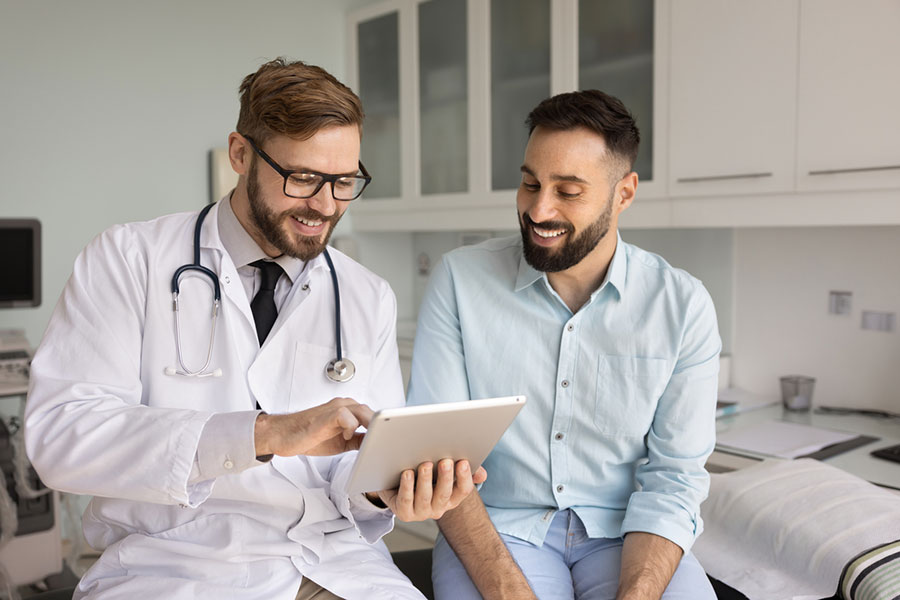
Sports doctors in Grand Rapids, MI, assess injuries, guide treatment, and support a safe return to activity. They consider symptoms, medical history, movement, and the demands of a patient’s sport or daily responsibilities. When appropriate, they may use imaging or coordinate care with physical therapists and other clinicians. This team-based approach helps patients understand their options and take part in decisions.
Sports doctors assess injuries and coordinate care to help patients understand their options and return safely to activity.
A sports medicine plan may include:
- Diagnosis: Identify the likely cause and severity of pain or reduced function through an exam and, when needed, diagnostic tests.
- Treatment: Recommend evidence-informed care, such as activity adjustments, medication, rehabilitation, or referral for expert evaluation.
- Progress monitoring: Reassess function and symptoms, then adapt the plan as recovery advances.
Care is tailored to each person’s health, schedule, and performance goals, whether returning to competition, work, or caregiving. Clear guidance can help patients follow rehabilitation safely and communicate progress with coaches, family members, or care teams. The clinician can also explain warning signs that warrant reassessment.
Long-Term Effects of Delaying Sports Doctors
Delaying evaluation by a sports doctor can let an injury worsen, especially when activity continues despite symptoms. Untreated injuries may take longer to recover and can limit a patient’s ability to return safely to sport. Persistent or improperly managed damage may also increase the risk of chronic pain.
Worsening Injuries
When a sports injury is left untreated, ongoing stress can worsen tissue damage and prolong recovery. A mild sprain may become unstable, while repeated impact can aggravate a stress injury or tendon problem. Athletes may compensate by changing movement patterns, placing extra strain on nearby joints and muscles. These changes can limit mobility, reduce performance, and make routine tasks more difficult. A sports doctor can assess symptoms, identify the affected structures, and recommend appropriate care before further damage occurs. Timely evaluation also supports Injury prevention by addressing movement or training factors that contribute to recurring problems. For athletes who serve as teammates, coaches, or role models, responsible care protects their ability to participate safely. Individualized return-to-play planning helps guide a gradual, medically informed shift back to sport.
Delayed Healing
How quickly an injury recovers can depend on timely, appropriate care. When athletes postpone assessment, a seemingly minor strain or sprain may receive inadequate rest or unsuitable treatment. Continued training can repeatedly stress injured tissue, potentially prolonging recovery and complicating a safe return to activity. A sports doctor can evaluate the injury, identify factors affecting repair, and recommend care suited to its severity and the athlete’s needs.
Recovery Timelines vary according to injury type, tissue involved, overall health, and adherence to treatment. Early guidance helps athletes understand activity limits, rehabilitation steps, and signs that warrant reassessment. This information can support realistic expectations and reduce avoidable setbacks. Coaches, teammates, and caregivers can encourage prompt evaluation rather than urging an athlete to play through an injury. A measured recovery plan prioritizes function and safe participation.
Chronic Pain Risks
Repeated stress on an untreated sports injury can contribute to persistent pain and limit movement over time. When an athlete delays evaluation, inflammation or tissue damage may worsen, making recovery more challenging. Ongoing pain can affect sleep, concentration, mood, and participation in work, school, or caregiving. A sports doctor can assess the injury, identify contributing factors, and recommend appropriate treatment or rehabilitation. Early care may help reduce strain and support a safer return to activity. Chronic pain coping strategies, such as pacing, guided exercise, and clinician support, can help patients maintain daily function. However, relying only on pain relievers may carry pain management risks, including side effects or masking symptoms that need attention. Timely assessment helps patients protect long-term mobility and continue supporting others in their communities.
Identifying the Underlying Cause of Your Sports Doctor’s Symptoms
Identifying the cause of a sports-related symptom takes more than treating the painful area. A sports doctor in Grand Rapids may assess when discomfort began, how it changes with movement, and whether it followed a specific injury. The evaluation can include a medical history, physical examination, and tests when findings suggest they are needed.
Symptom tracking helps patients describe changes in pain, swelling, stiffness, or weakness over time. Notes about activity patterns can reveal links between symptoms and training intensity, technique, equipment, rest, or particular movements. These details help the clinician distinguish a local strain from problems involving joints, tendons, nerves, or other structures.
A careful assessment also considers prior injuries, health conditions, and recovery habits. Patients should share relevant concerns and goals, including work demands or responsibilities caring for others. With a clearer understanding of the underlying cause, the doctor can recommend appropriate treatment, guide a safe return to activity, and identify signs that warrant further evaluation.
Cost Factors for Sports Doctors in Grand Rapids, MI
Because costs vary by clinic and treatment needs, patients comparing sports doctors in Grand Rapids, MI, should ask what an appointment includes and whether additional services may be billed separately. Fees may depend on the clinician’s specialty, visit length, and whether care involves imaging, laboratory tests, rehabilitation, or other services. Facility use and follow-up visits may also affect the total.
Insurance coverage can reduce out-of-pocket costs, but benefits differ by plan. Patients should confirm that the clinic and clinician are in network, check referral or authorization requirements, and ask whether proposed services are covered. Deductibles, copayments, and coinsurance can still apply. A clinic’s billing staff may help clarify estimates, though the insurer determines benefits.
For those facing expenses not covered by insurance, payment plans or financial assistance may be available. Patients can request written estimates, itemized bills, and information about cancellation fees before scheduling. Comparing costs alongside qualifications and access to care can help patients make informed decisions without delaying needed treatment.
What to Expect From Your Sports Doctors in Grand Rapids, MI
What happens at a sports medicine appointment depends on the injury, symptoms, and activity goals. A sports doctor typically reviews the patient’s medical history, training routine, and how the problem affects daily tasks or participation. The clinician may examine movement, strength, joint stability, and pain areas. Imaging or other tests may be recommended when findings indicate they are needed.
Appointment expectations often include a discussion of possible causes and care options. These may involve activity adjustments, guided exercises, medication, or referral for further evaluation. Patients can help by describing when symptoms began, what worsens them, and which activities matter most. Clear questions about benefits, risks, and follow-up can support shared decisions.
Recovery timelines vary with the condition, severity, overall health, and response to care. The doctor can outline likely milestones, explain signs that warrant reassessment, and adjust the plan as progress is reviewed. Returning to sport or demanding work is usually guided by function and symptoms, not a fixed date.
Why You Need an Experienced Regenerative Medicine Center in Grand Rapids, MI
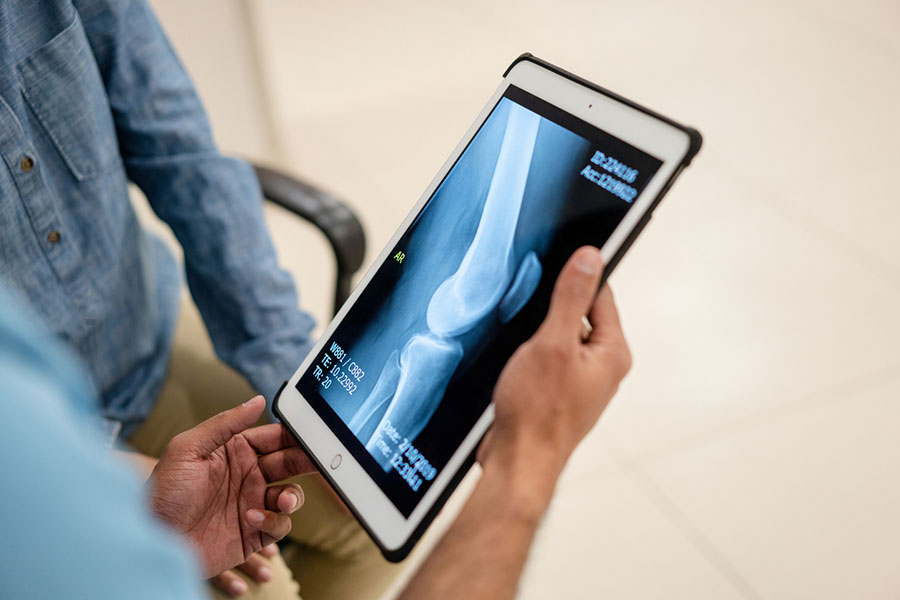
When regenerative medicine is considered for a sports injury, an experienced center can help determine whether a treatment is appropriate for the specific condition and recovery goals. Regenerative approaches vary in evidence, indications, and limitations, so careful assessment matters. A clinician should review the injury, medical history, imaging when relevant, and prior care before discussing options. This process helps identify when established treatments, rehabilitation, or further evaluation may be more suitable.
Provider credentials and clinical experience support safe, informed care, but they do not guarantee a particular result. An experienced team can explain what research does and does not show, outline potential risks, and set realistic expectations for treatment outcomes. It can also coordinate care with physical therapists and other clinicians, helping patients pursue recovery while protecting long-term function. Clear follow-up allows monitoring of progress and adverse effects, with the plan adjusted as needed. For athletes, this measured approach can support decisions centered on health, daily responsibilities, and a safe return to activity.
How to Choose the Right Grand Rapids MI Regenerative Medicine Center
Choosing a regenerative medicine center in Grand Rapids, MI, starts with finding clinicians who evaluate the injury, explain the evidence and limitations of proposed treatments, and discuss alternatives. A thorough assessment should consider medical history, activity demands, imaging when appropriate, and whether standard care may be more suitable.
Patients can review Provider credentials, including relevant licenses, specialty training, and experience treating similar musculoskeletal conditions. They can ask who performs each procedure, how risks are managed, and what follow-up care is available. Clear answers support informed decisions and help patients understand their role in recovery.
When discussing treatment outcomes, clinicians should distinguish established findings from emerging evidence and avoid guarantees. They should explain realistic goals, possible complications, recovery time, and how progress will be measured. Patients may also ask whether outcomes are tracked and how care plans change if symptoms persist. A center that communicates transparently and coordinates with other healthcare professionals can better support safe, individualized decisions and the patient’s return to meaningful daily activities.
About Michigan Center for Regenerative Medicine
Michigan Center for Regenerative Medicine provides care for musculoskeletal conditions, with treatment recommendations based on each patient’s health history, symptoms, and goals. Its clinicians assess injuries and chronic pain, explain available options, and help patients make informed decisions. Care may include regenerative medicine approaches when clinically appropriate, alongside guidance on rehabilitation and other established treatments.
For athletes and active adults in Grand Rapids, a careful evaluation can clarify the source of pain and identify practical next steps. The center’s team considers functional needs, activity levels, and individual circumstances when discussing care. Patients can ask about expected benefits, limitations, risks, and recovery requirements before choosing a treatment plan.
Patient Success Stories may offer perspective on others’ experiences, but outcomes vary and do not predict an individual result. Research Innovations continue to shape the field; evidence and safety should guide clinical recommendations. By combining clear communication with individualized assessment, the center supports patients seeking to return to meaningful activities and serve their families, teams, and communities.

Frequently Asked Questions
Do I Need a Referral to See a Sports Doctor in Grand Rapids?
A referral is not always required to see a sports doctor; the answer depends on the clinic, the patient’s insurance plan, and the type of care needed. Insurance Referral Rules may require approval from a primary care provider, particularly for HMO coverage. With PPO plans or self-pay, Direct Appointment Access may be available. Patients can confirm requirements by contacting the clinic and insurer before scheduling to help prevent unexpected costs or treatment delays.
Should I Bring Imaging or Medical Records to My First Appointment?
Yes, bringing relevant imaging and medical records can help the clinician understand the patient’s condition and avoid repeating tests. The patient should bring reports and, if available, image files from X-rays, MRI, or other scans, along with prior treatment notes and a current Medication History, including prescriptions and supplements. If records are unavailable, the office may help request them. The patient should not delay care while gathering documents; they can also share symptoms and questions.
Can Sports Doctors Help Prevent Injuries Before They Happen?
Yes. Sports doctors can help reduce injury risk before symptoms appear, though they can’t guarantee prevention. They may use injury risk screening to review medical history, training demands, strength, flexibility, and prior injuries. Movement pattern analysis can identify mechanics or imbalances that may benefit from targeted exercises, technique changes, or training adjustments. Recommendations are tailored to the individual’s activity and goals, supporting safer participation while helping coaches, caregivers, and athletes make informed decisions.
Do Sports Doctors Treat Athletes of All Ages and Skill Levels?
Yes. Sports doctors generally treat athletes of all ages and skill levels, from children starting organized sports to adults pursuing competitive or recreational activity. Care is tailored to each person’s development, health history, goals, and physical demands. Clinicians may also support adaptive athletics by adjusting evaluation and treatment to individual needs. For younger athletes, caregiver guidance can help with informed decisions, treatment plans, and safe return to play. Referral needs vary with symptoms and medical intricacy.
Can I Continue Training While Recovering From a Sports Injury?
Continuing training during recovery may be possible, but it depends on the injury, symptoms, and clinical guidance. A healthcare professional can recommend safe training modifications, such as reducing intensity, avoiding painful movements, or focusing on unaffected areas. Athletes should stop if pain worsens, swelling increases, or function declines. Tracking recovery progress helps identify setbacks and guide a gradual return to activity. Following an individualized plan supports recovery while protecting long-term health and readiness to serve others.
—————————
Sports doctors in Grand Rapids, MI, can evaluate injuries, manage pain, and guide a safe return to activity. Depending on the diagnosis and available evidence, care may include rehabilitation, medication, or regenerative medicine. Before an appointment, document your symptoms, goals, and prior treatments, then discuss potential benefits, risks, and alternatives with a qualified clinician. Michigan Center for Regenerative Medicine offers an option for those exploring regenerative care. A personalized evaluation can help determine whether its services fit your needs and circumstances and, when appropriate, coordinate with your existing providers, ensuring decisions remain individualized, informed, and medically responsible.
Your Regenerative Medicine Team of Board-certified Physicians


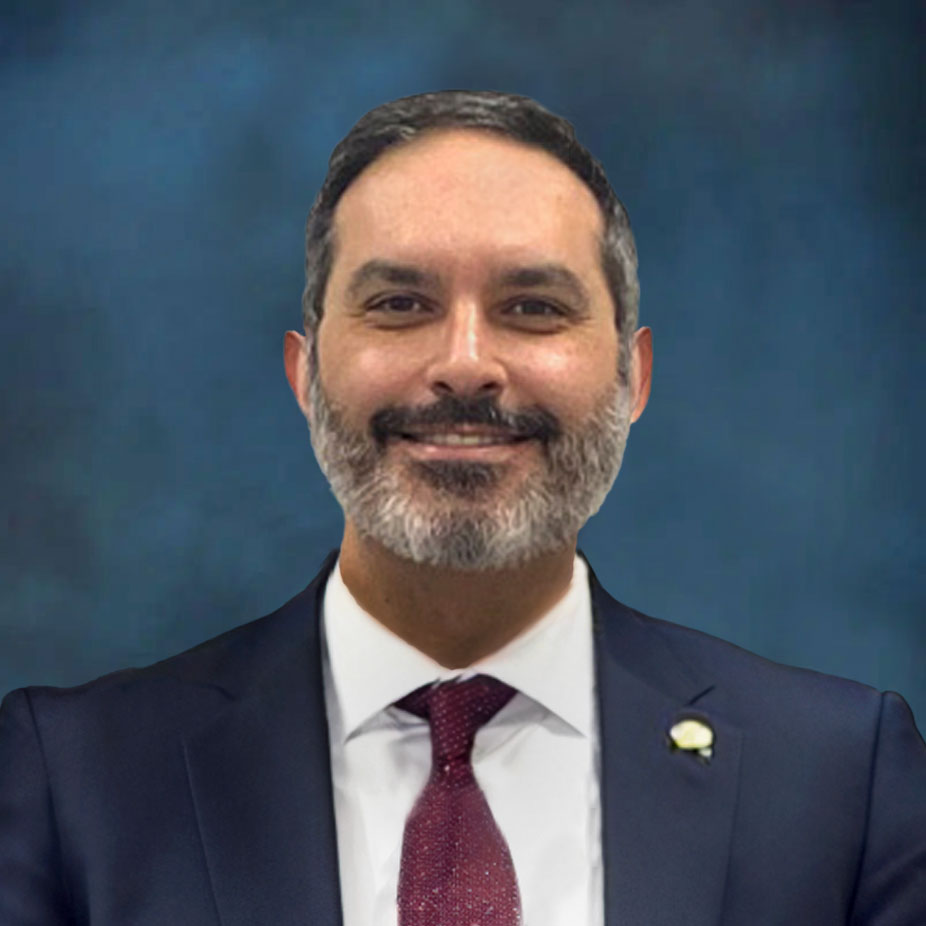
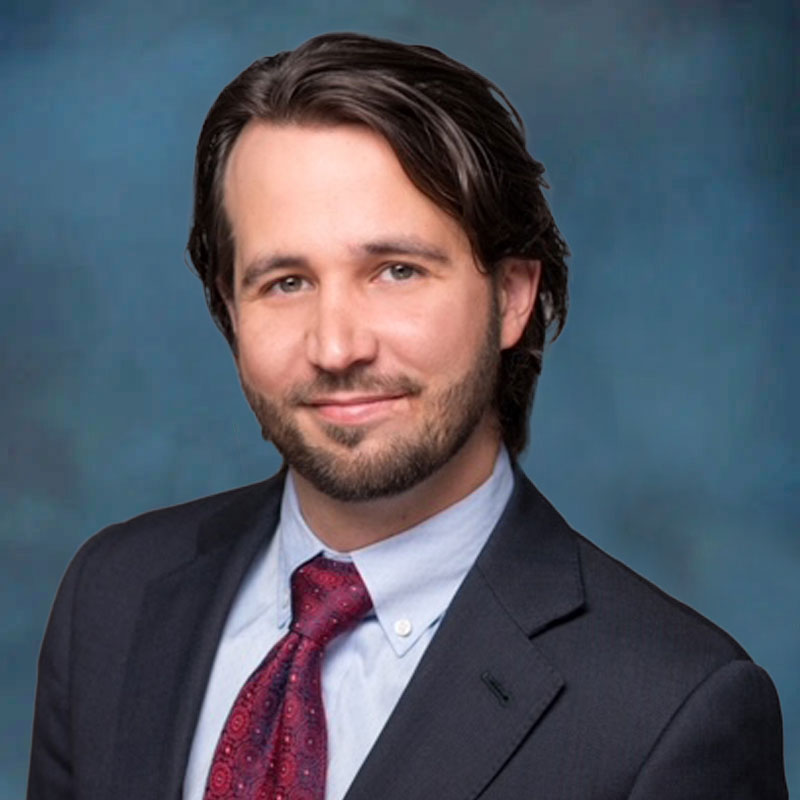

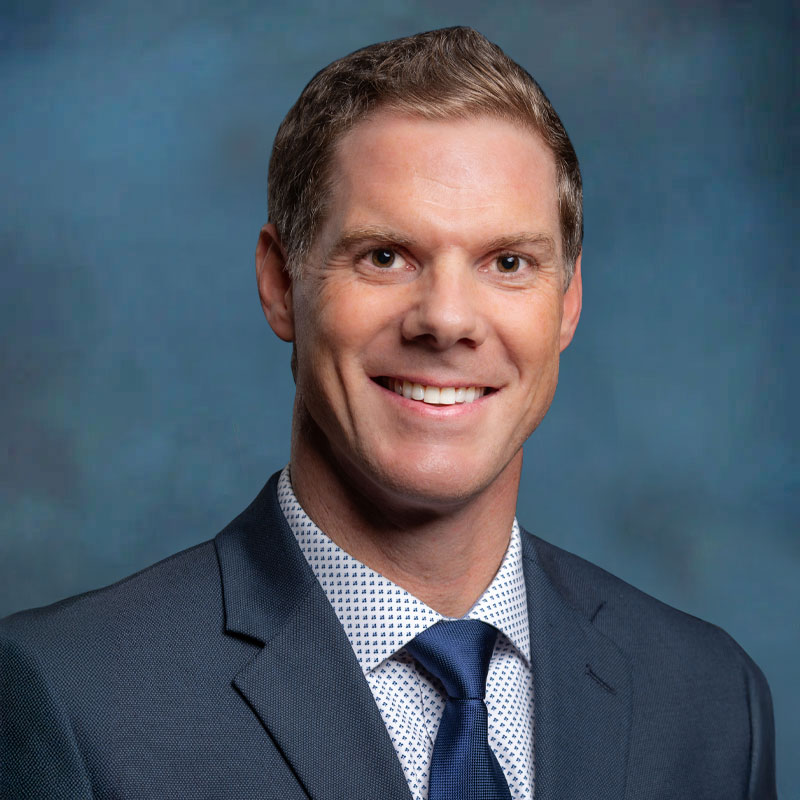
At Michigan Center for Regenerative Medicine, we provide individualized guidance for patients considering regenerative medicine treatment in Grand Rapids, MI. Our experienced team evaluates your condition, discusses appropriate options, and develops a plan based on your health needs and goals. We explain each step clearly, including potential benefits, limitations, and follow-up care. If you’re exploring regenerative medicine, contact us to schedule a consultation and determine whether treatment may be appropriate for you.
It Will Greatly Benefit You to Consider Regenerative Medicine in Grand Rapids MI
If you want to give your body the help it needs to recover from chronic pain or an ailment that just won’t go away, consider regenerative medicine in Grand Rapids, as performed by the Michigan Center for Regenerative Medicine. If you are in Grand Rapids and want to speak to someone about the benefits of regenerative medicine, call us at (616) 288-1109, or reach out to us using our online contact form.


Take Advantage of Regenerative Medicine Provided by Board-certified Doctors
Contact Michigan Center for Regenerative Medicine Today and Discover If You are a Candidate. Visit our new location at 1000 E. Paris Ave SE Suite 221, Grand Rapids, MI 49546.
Related searches in cities near you:
- Home Page
- About
- Contact
- Treatable Conditions
- Non-Surgical Treatment
- Using Your Body’s Stem Cells
- Platelet Rich Plasma (PRP)
- Thomas Nabity, MD
- Arthritis Repair
- FAQ
- Pain Relief
- Terminology
- Testimonials
- Blog
- Thank You
- Plasma Injections in Michigan
- Regenerative Medicine Michigan
- Stem Cell Treatments Michigan
- Sitemap
- Stem Cell Therapy Michigan
- Prolotherapy Michigan
- Stem Cell Banking
- Insurance Accepted
- Stem Cell Therapy for Knees Michigan
- PRP Treatment Michigan
- Hormone Replacement Therapy in Michigan
- Hormone Replacement Therapy near Ohio
- John Santa Ana, DO
- Stem Cell Storage Michigan
- Regenerative Medicine Ohio
- PRP Injections Michigan
- Regenerative Medicine Windsor Canada
- Stem Cell Therapy Windsor Ontario
- PRP Injections Windsor Canada
- Stem Cell Therapy Windsor Canada
- Prolotherapy Knee Cartilage Regeneration in Michigan
- Media
- Knee Pain Doctor in Michigan
- Rotator Cuff Pain Doctor Michigan
- Physiatrist Michigan
- Physical Medicine Doctor in Michigan
- Shoulder Pain Doctor Michigan
- Back Pain Doctor in Michigan
- Services
- Webinar Registration
- Newsletters
- Videos 2020
- Nerve Pain Stimulation
- Notice of Privacy Practices
- EMG Testing in Michigan
- Out-of-Town Patients
- PRP Treatment for Hair Restoration in Michigan
- Resources
- Interventional Orthopedics in Michigan
- Robert Farhat, DO
- Shop
- Cart
- Checkout
- My account
- Locations
- Testimonials Page 2
- Treatment for Knee Pain Michigan
- Female Pelvic Floor Regeneration in Michigan
- Female Pelvic Floor Regeneration
- PRP Treatment for Hair Restoration
- Review Request
- Patient Feedback Form
- Patient Thank You Survey
- Kevin M. Nemeth, MD
- John Steele, MD
- Back Pain Treatment in Michigan
- Shoulder Pain Treatment in Michigan
- O-shot Treatment for Women Rochester Hills, MI
- Functional Medicine in Michigan
- Orthobiologics Treatment in Michigan
- Christopher Hannasch, DO
- Electromyogram Testing in Michigan
- Joint Pain Treatment in Michigan
- Neuropathy Stem Cell Treatment
- Prolotherapy Doctors Near You
- PRP Treatment For Skin Care in Rochester Hills MI
- Spinal Pain Treatment near Rochester MI
- Regenerative Orthobiologics in Michigan
- PRP Treatment for Woman Hair Loss in Oakland County
- Treatment For Hair Loss in Rochester Hills, MI
- Treatment for Women’s Hair Loss in Rochester Hills, MI
- Stem Cell Therapy for Neuropathy
- Haley Sardelli, BSN, RN
- Kailee Sardelli, BSN, RN
- Terms of Service
- ADA Compliance
- Privacy Policy
- Cookie Consent
- Physical Medicine in Grand Rapids MI
- Physical Medicine Doctors in Grand Rapids MI