Regenerative Medicine in Metro Detroit
Chronic pain is no picnic. If you’re like millions of Americans, you suffer from chronic pain.
Up until now, the only way you’ve likely gotten relief is via medication or In Metro Detroit, you’ll find regenerative medicine clinics like Michigan Center For Regenerative Medicine that use imaging-guided orthobiologic injections, most often PRP and bone marrow-derived cell preparations, paired with structured rehab to reduce joint, tendon, or spine pain and improve function.
You’ll start with records and imaging review, a focused exam, and a discussion of evidence, risks, and timelines.
Many people notice meaningful change by weeks 4–8, with gains through months 3–6. Learn more about Platelet Rich Plasma Therapy, and next you’ll see how to vet clinics and costs.
Main Takeaways
- Ask about FDA pathway (361 vs 351), Michigan scope-of-practice, IRB-backed protocols, and sterility safeguards like chain-of-custody and lot tracking.
- Metro Detroit regenerative clinics commonly offer imaging-guided PRP and bone marrow–derived cell procedures aimed at tissue repair and function restoration.
- Expect in-person evaluation with record review, targeted exam, ultrasound/fluoroscopy guidance, and clear discussion of evidence, benefits, risks, and timelines.
- Commonly treated problems include knee/hip osteoarthritis, tendinopathies, partial tears, ligament injuries, chronic spine pain, plantar fasciitis, and post-surgical pain.
- Recovery typically involves 24–72 hours of soreness, meaningful improvement by weeks 4–8, and continued gains through months 3–6 with rehab.
If we have piqued your interest, call The Michigan Center for Regenerative Medicine in Metro Detroit today for your consultation at (248) 216-1008.

Ask About Alternatives to Surgery for Your Chronic Pain
Contact the Michigan Center for Regenerative Medicine Today and Schedule Your Office Visit
What Is Regenerative Medicine in Metro Detroit?
Although the term “regenerative medicine” gets used broadly in Metro Detroit, it most often refers to evidence-based treatments designed to support tissue repair and restore function, typically by using biologic materials (such as platelet-rich plasma or bone marrow-derived cell preparations) alongside imaging-guided techniques and structured rehabilitation.
In practice, you’ll see clinicians emphasize careful diagnosis, ultrasound or fluoroscopy guidance, and measurable outcomes, not hype.
You’ll also notice how local Research Institutions influence standards: protocols and safety practices often reflect published data, IRB oversight, and ongoing clinical studies across regional health systems.
When you counsel patients or teammates, you can help shape Community Perceptions by explaining what’s known, what’s still investigational, and why informed consent matters. You’ll serve your neighbors best by directing them to qualified providers who document response, coordinate rehab, and avoid unsupported claims or one-size-fits-all promises.
What Conditions Do Metro Detroit Clinics Treat?
In Metro Detroit, you’ll see regenerative medicine clinics most often treat common orthopedic conditions such as knee osteoarthritis, shoulder tendinopathy, and hip or low-back joint pain.
You can also seek care for chronic pain patterns where function and imaging findings guide treatment selection and measurable outcomes. If you’re returning from sports injuries, these clinics commonly address tendon and ligament injuries with rehab-integrated protocols aimed at safe, timely recovery.
Common Orthopedic Conditions in Metro Detroit
Whether you’re dealing with persistent joint pain from weekend sports at Belle Isle or stiffness that makes it hard to climb stairs in a Detroit three-flat, Metro Detroit regenerative medicine clinics commonly evaluate orthopedic problems that affect the knee, hip, shoulder, ankle, elbow, and spine.
You’ll often be assessed for Knee osteoarthritis, hip osteoarthritis, meniscus or cartilage wear, and tendon issues such as patellar or Achilles tendinopathy.
In the shoulder, Rotator cuff tendinopathy or partial tears and impingement are common, especially after work overhead or gym activity. Clinics also see lateral epicondylitis, ankle sprains with lingering instability, and degenerative spine changes that limit function.
Expect a focused exam and imaging review so you can stay active, work safely, and serve your family and community.
Chronic Pain Management in Metro Detroit
When pain lasts past normal recovery timelines and starts limiting sleep, mood, and mobility, Metro Detroit regenerative medicine clinics often shift the workup toward chronic pain drivers rather than a single “injured spot.”
You’ll commonly see evaluation for chronic low back and neck pain (including facet-related pain, degenerative disc disease, and postural or work-related strain), persistent joint pain from osteoarthritis in the knee, hip, or shoulder, and tendinopathies that don’t respond to rest or basic therapy.
You may also be assessed for sacroiliac dysfunction, myofascial pain, peripheral nerve irritation, and pain flares after prior surgery. Clinics typically pair imaging and targeted exams with function goals so you can keep showing up for family, patients, and coworkers. Expect guidance on Mindfulness Techniques, Sleep Hygiene, pacing, and safe strength work.
Sports Injury Recovery in Metro Detroit
Although sports injuries often start with a single twist, collision, or overuse cycle, Metro Detroit regenerative medicine clinics typically evaluate the full kinetic chain and treat conditions like acute and chronic tendon injuries (Achilles, patellar, hamstring, rotator cuff), ligament sprains and partial tears (ACL/MCL, ankle, UCL), muscle strains, meniscal irritation, early cartilage wear, and post-surgical “still not right” pain after arthroscopy or repair.
You’ll usually get ultrasound-guided diagnostics, gait or throwing-mechanics review, and staged rehab that prioritizes load management and neuromuscular control.
If you serve on the field, in schools, or as a weekend coach, you can model safe return-to-play standards: objective strength testing, symptom-guided progression, and prevention drills. Clinics also reinforce nutrition strategies and sleep optimization, since collagen turnover, inflammation, and recovery capacity depend on them.
Who’s a Good Candidate in Metro Detroit?
You’re often a stronger candidate in Metro Detroit if you have chronic joint or tendon pain, such as knee osteoarthritis, hip pain, shoulder tendinopathy, or low back pain, that hasn’t improved with guided physical therapy, medications, or injections.
Your clinician will weigh health factors that affect recovery and safety, including imaging findings, symptom duration, activity goals, diabetes control, smoking status, anticoagulant use, and active infection or inflammatory disease.
You’ll typically start with a local consultation that reviews your records and imaging, confirms a diagnosis, explains evidence-based options and expected outcomes, and sets a plan for follow-up.
Common Qualifying Conditions in Metro Detroit
Because regenerative medicine works best in targeted, well-defined injuries, you’re typically a strong candidate in Metro Detroit if you have persistent musculoskeletal pain with imaging-confirmed degeneration (such as mild-to-moderate knee osteoarthritis, hip or shoulder arthritis, rotator cuff tendinopathy, tennis elbow, plantar fasciitis, or chronic low back pain linked to disc or facet disease) that hasn’t improved after a reasonable trial of physical therapy, activity modification, and standard injections.
Your diagnosis criteria usually include correlating MRI/X-ray findings with focused exam findings and functional limits.
Locally, referral patterns often come from primary care, orthopedics, sports medicine, and physical therapists when you’re trying to stay active, keep working, and care for family.
You may also qualify with recurrent tendon tears, bursitis, or post-arthroscopy pain when structural surgery isn’t clearly indicated.
Health Factors Considered in Metro Detroit
When your diagnosis fits, clinics across Metro Detroit still screen for health factors that predict safety and response before recommending PRP, bone marrow concentrate, or other orthobiologics.
You’ll be a stronger candidate when your medical history is stable, your medications don’t raise bleeding risk, and your infection and cancer screens are clear.
You’ll also be assessed for diabetes control, autoimmune activity, smoking or vaping, and body weight, since these affect inflammation and tissue recovery. Your sleep quality matters because poor sleep can impair recovery and pain modulation.
Your nutritional status matters because protein, vitamin D, and iron support repair and immune balance. If you can commit to rehab and activity pacing, you’re more likely to gain durable function and keep serving others well.
Local Consultation Process
After clinics review your health risks and recovery drivers, the next step is a local consultation that confirms whether orthobiologics match your diagnosis, goals, and imaging. You’ll review prior MRI or X-ray findings, targeted exam results, and functional limits relevant to work, caregiving, and community service in Metro Detroit.
The clinician will explain expected benefit windows, alternatives, and realistic timelines for return to activity, using outcome data and safety screening. You’ll discuss medications, diabetes control, smoking, infection risk, and anticoagulants that can change eligibility.
If you’re traveling from Wayne, Oakland, or Macomb, ask about clinic accessibility, parking, and visit length. Many practices also offer telehealth options for record review and follow-ups, while reserving in-person visits for procedures and imaging-guided decisions.
PRP vs Stem Cells vs Exosomes: What Changes?
How do PRP, stem cell therapies, and exosomes actually differ in Metro Detroit regenerative medicine clinics? You’re choosing between biologics with distinct Molecular Mechanisms and expectations for Cellular Persistence.
PRP concentrates your own platelets to deliver growth factors that modulate inflammation and support repair signaling; effects tend to be short-lived and protocol-dependent.
PRP concentrates your own platelets to deliver growth factors that modulate inflammation and support repair signaling, often short-lived and protocol-dependent.
Stem cell therapies aim to introduce living cells that may secrete trophic factors, influence immune balance, and potentially persist longer in tissue, though persistence varies by source, handling, and target site.
Exosomes are cell-derived vesicles that carry proteins and nucleic acids; they’re positioned as a signaling product rather than a living implant, so the goal is targeted communication, not long-term cell survival.
In Metro Detroit, you’ll typically match these options to condition severity, imaging findings, and functional goals, so you can return to caring for family, patients, and community with steadier capacity.
Are These Treatments Legal and FDA-Regulated?
Before you schedule PRP, stem cell, or exosome care in Metro Detroit, you need to know how the FDA regulates human cell and tissue products and where clinic offerings may fall outside those pathways.
You also should consider Michigan-specific legal and licensing realities, including who can administer these products and what claims providers can lawfully make in marketing and consent documents.
You’ll want to watch for compliance red flags like “FDA-approved” claims for unapproved uses, vague sourcing or processing details, lack of IRB oversight for “research” treatments, and pricing that’s tied to guaranteed outcomes.

FDA Oversight Basics
In Metro Detroit, you’ll see regenerative medicine marketed everywhere from orthopedic offices to wellness clinics, but not every treatment sits on solid FDA regulatory ground. You should know the FDA regulates human cells, tissues, and cellular/tissue-based products (HCT/Ps) under risk-based rules.
If a clinic uses your own minimally manipulated tissue for a homologous use, it may fit the 361 pathway with lighter oversight. If cells are more than minimally manipulated, combined with drugs, or used for non-homologous purposes, they’re generally 351 biologics requiring trials and approval.
This historical evolution reflects safety lessons from contamination and unproven claims. International comparisons show looser markets can expand access but increase harm. You can serve patients best by asking how the product is classified, tested, and monitored.
Michigan Legal Considerations
Although clinics around Metro Detroit may call a procedure “legal” because it happens inside a physician’s office, Michigan law and federal FDA rules still apply, and they don’t always align with the marketing.
You’ll want to confirm whether the product is an FDA-approved biologic, a cleared device, or a same-day, minimally manipulated autologous procedure with homologous use, because that classification drives legality.
In Michigan, you also need care delivered within appropriate scope practice: who can harvest tissue, process it, and inject it matters under state professional licensing.
If you’re using remote visits, verify telehealth licensure for the treating clinician and where you’re located at the time of care. Document informed consent, adverse-event plans, and oversight so you can serve patients responsibly.
Common Compliance Red Flags
How can you tell when a Metro Detroit regenerative offer drifts from compliant medical care into regulatory risk?
Start by checking whether the clinic clearly explains FDA status, sourcing, and handling of any cells, tissues, or “exosomes,” and whether it avoids sweeping claims like “cures” for arthritis, neurologic disease, or COVID-related fatigue.
You should see informed consent that matches the actual product and procedure, plus documentation of sterile processing and adverse-event reporting. Watch for operational red flags:
Cash-only bundles that discourage itemized receipts, aggressive financing, or Billing irregularities involving unbundling, upcoding, or billing “stem cell” codes without supporting notes. Also protect your patients’ trust by looking for Privacy breaches, such as unsecured texting of records, casual social media posting, or weak HIPAA workflows.
Choose teams that prioritize safety and transparency.
What Happens at a Metro Detroit Consult (Step-by-Step)?
When you book a regenerative medicine consult in Metro Detroit, the visit typically follows a structured, medical workflow designed to confirm whether you’re an appropriate candidate.
You’ll receive Appointment Reminders, complete intake forms, and check in; staff prioritize Room Comfort while confirming ID, insurance, and consent preferences.
| Step | What you’ll do |
|---|---|
| History + goals | Review symptoms, function limits, prior imaging, meds, and what outcomes matter for your work and community role. |
| Exam + diagnostics | Get a focused musculoskeletal exam; the clinician reviews MRI/X-ray or orders appropriate imaging and baseline measures. |
| Plan + next steps | Discuss evidence, risks, alternatives, expected timelines, and cost; you’ll leave with written instructions and a follow-up plan. |
You’ll also review medical red flags, contraindications, and safety screening (bleeding risk, infection, uncontrolled diabetes). Expect time for questions so you can make a responsible, service-minded decision.
How Clinics Source and Handle Biologics Safely
Before any injection happens, a Metro Detroit regenerative clinic should show you exactly where its biologic comes from and how it stays sterile from collection to delivery.
Before any injection, insist your Metro Detroit regenerative clinic show the biologic’s source and sterile handling, collection to delivery.
You should see documentation for chain-of-custody, lot numbers, and expiration dating, plus proof the product meets applicable FDA and state requirements for handling and storage.
Ask how the clinic performs vendor vetting: audited suppliers, validated shipping methods, and third-party certificates of analysis when available.
You should also confirm how staff maintain aseptic technique, including sterile field setup, single-use disposables, and surface disinfection between patients.
For any shipped biologic, demand temperature monitoring with recorded logs, alarmed refrigeration, and defined out-of-range procedures that trigger quarantine and disposal.
If the biologic is autologous, you should hear how they label, track, and transport your sample to prevent mix-ups.
These safeguards protect your health and help you serve others safely.
When Will You See Results (Typical Timeline) in Metro Detroit?
Results rarely appear overnight, and your timeline in a Metro Detroit regenerative clinic depends on the tissue treated, the biologic used, and your baseline degeneration and activity level.
You’ll usually feel post-procedure soreness for 24–72 hours, then a gradual shift as inflammation calms and function improves.
For tendons and ligaments, expect early stability and reduced pain in weeks 2–6, with stronger gains by weeks 8–12 as loading tolerance returns.
For osteoarthritis, many patients notice meaningful change between weeks 4–8, with continued improvement through months 3–6 when combined with guided rehab.
Spine-related pain varies; you may see mobility improvements first, then endurance. Your clinician should outline Recovery Milestones: safe walking, sleep quality, range of motion, and return-to-work tasks.
Keep your Timeline Expectations realistic: protect the tissue, follow a progressive plan, and track objective function so you can keep serving others without setbacks.
What Does It Cost in Metro Detroit (Insurance Too)?
Although pricing varies by diagnosis and biologic, regenerative medicine in Metro Detroit typically runs as a self-pay service because most commercial insurers and Medicare still classify many orthobiologic injections as investigational.
You’ll usually see bundled quotes, yet you should still ask for line-item estimates to avoid Hidden fees tied to imaging, biologic processing, or follow-up visits. Typical ranges: PRP often lands in the mid-hundreds to low-thousands per joint; bone-marrow concentrate or adipose-derived procedures trend higher.
Some practices offer Payment plans, which can help you stay consistent with rehab while protecting your household budget so you can keep serving others. If insurance contributes at all, it’s commonly for the evaluation, X-ray, MRI, or physical therapy, not the injection itself.
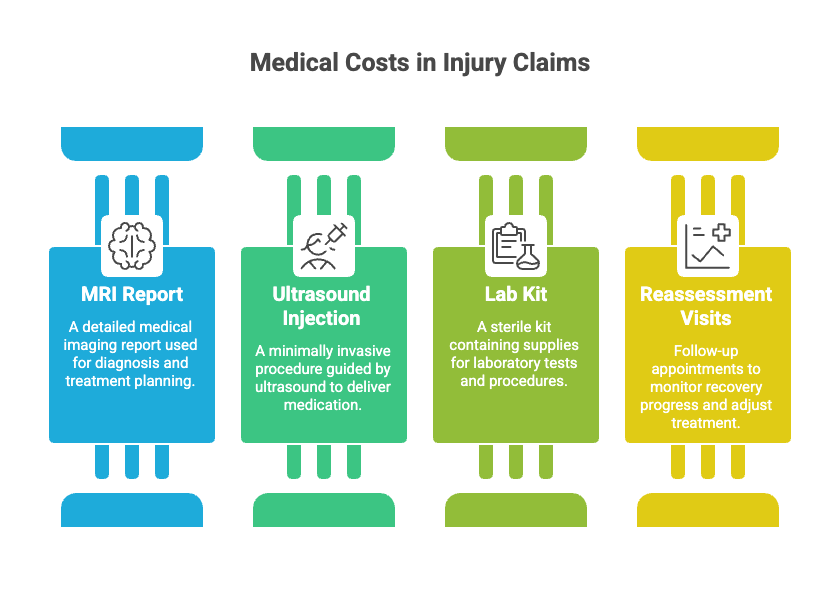
Picture the real-world cost drivers around Metro Detroit:
- A Sterling Heights MRI report and facility fee
- An ultrasound-guided injection in Southfield
- A lab kit or sterile processing charge
- Two reassessment visits during your recovery window
How to Choose a Metro Detroit Clinic With Confidence
Once you’ve mapped out the likely out-of-pocket costs, the next step is choosing a Metro Detroit clinic that matches the evidence, your diagnosis, and safe procedural standards.
Start by confirming the clinician’s credentials, scope, and experience with your specific condition, not just “stem cell” marketing. Ask what biologic is used, how it’s processed, and whether image guidance (ultrasound or fluoroscopy) is standard for injections.
Request outcome data and a clear consent process that covers risks, alternatives, and expected timelines. Review Patient Reviews for patterns: follow-up access, pain control plans, and honest communication matter more than star ratings.
Tour the site or ask for photos; Facility Cleanliness should reflect surgical-grade infection control, sterile technique, and documented protocols. Choose a clinic that coordinates with your primary or sports-medicine team, shares records promptly, and helps you return to work and service safely.
When you explore regenerative medicine in Metro Detroit, you’ll get the best outcomes by matching the therapy to your diagnosis, imaging findings, and functional goals. You can expect PRP, cell-based options, or exosome-like products to differ in evidence, regulation, and handling requirements, so ask Michigan Center For Regenerative Medicine about FDA status, sourcing, sterility testing, and ultrasound-guided technique. Learn more about Platelet Rich Plasma Therapy.
Plan for weeks to months of improvement, and budget accordingly, since coverage varies. Choose experience, transparency, and documented results.
A Modern Approach
Regenerative medicine, around for many years, has recently been applied by researchers, doctors and scientists to fully explore its amazing results. Dr. Thomas Nabity, MD, of The Michigan Center for Regenerative Medicine, offers regenerative medicine to his patients. He decided to do so after several years of feeling frustrated with the traditional Band-Aid approach to healing.
This is in line with an industry-wide shift going on right now. We believe it’s time to take the focus away from treating surface symptoms and put the focus where it should be: addressing the underlying cause of disease. We can achieve that through repairing, replacing or re-generating cells that have been damaged, reducing the burden of disease for many common conditions.
In the end, we believe regenerative medicine in Metro Detroit gives hope where there was only dependency on medications and surgery before. Now, people just like you suffering from several previously-untreatable or curable injuries and diseases can find a better path.


A Look at the Numbers
The benefits to regenerative medicine in Metro Detroit are many, according to Medical News Today:
- Treatment of a wide spectrum of ailments such as sports injuries, aging conditions, traumatic injuries from car accidents and progressive disease.
- Increase in life expectancy.
- Potential for curing deadly degenerative diseases like ALS.
- Better health-related quality of life.
Regenerative medicine in Metro Detroit could be the answer for you, as it can drastically reduce this dependence on and misuse of medications for pain.


Take Advantage of New Advancements in Regenerative Medicine Provided by Board-certified Doctors
Contact Michigan Center for Regenerative Medicine Today and Discover If You are a Candidate. Home Office and Medical Center located at 355 Barclay Cir Suite A Rochester Hills, MI 48307
- Regenerative Medicine Northville, MI
- Regenerative Medicine Troy MI
- Regenerative Medicine Rochester Hills MI
- Regenerative Medicine Bloomfield Hills MI
- Regenerative Medicine Detroit MI
- Regenerative Medicine Birmingham MI
- Regenerative Medicine Novi MI
- Regenerative Medicine Shelby Township MI
- Regenerative Medicine West Bloomfield MI
- Regenerative Medicine Near You
- Regenerative Medicine near Ann Arbor MI
- Regenerative Medicine near Pontiac MI
- Regenerative Medicine Rochester MI
- Regenerative Medicine near Plymouth MI
- Regenerative Medicine Near Dearborn MI
- Regenerative Medicine near Wixom MI
- Regenerative Medicine Near Livonia MI
- Regenerative Medicine Milford MI
- Regenerative Medicine Warren MI
- Regenerative Medicine Sterling Heights MI
- Regenerative Medicine Lansing MI
- Regenerative Medicine Grand Rapids MI
- Regenerative Medicine Flint MI
- Regenerative Medicine Farmington MI
- Regenerative Medicine Near Farmington Hills MI
- Regenerative Medicine Near Beverly Hills MI
- Regenerative Medicine Near Southfield MI
- Regenerative Medicine Washtenaw County MI
- Regenerative Medicine Pleasant Ridge MI
- Regenerative Medicine Midtown Detroit MI
- Regenerative Medicine Romulus MI
- Regenerative Medicine Corktown Detroit MI
- Regenerative Medicine near Clawson MI
- Regenerative Medicine Near Berkley MI
- Regenerative Medicine Near Wyoming MI